
Donald Trump Says U.S. Naval Blockade Is Collapsing Iran’s Finances, Leaving Army and Police Unpaid
Key Takeaways
- Trump says Iran is collapsing financially, losing about $500 million daily due to Hormuz blockade.
- Iran reportedly unpaid salaries for army and police amid the financial crisis.
- Iran wants the Strait of Hormuz open to generate revenue and stabilize its economy.
Trump’s blockade-linked claims
U.S. President Donald Trump said Iran is “collapsing financially” and is “losing 500 million dollars a day” because of the U.S. naval blockade of the Strait of Hormuz, linking the maritime standoff directly to Iran’s domestic strain.
In a Truth Social post, Trump wrote, “They claim they want to close it only because I have imposed a total blockade on it; they just want to save face.”
He added that people contacted him “four days ago” to say, “Sir, Iran wants the strait opened immediately,” and Trump warned, “But if we do that, there will be no deal with Iran unless we destroy the rest of their country, including their leaders.”
Trump also said members of the Iranian military and police complain they have not been paid, describing it as a worsening internal crisis.
In the same account, Trump reiterated that the Iranian navy and air force have been “completely destroyed by American strikes,” and that Iranian defenses have been “wiped out.”
He further stressed that the United States “fully controls and surrounds the Strait of Hormuz, preventing any vessel from reaching Iranian ports.”
The claims were echoed in multiple outlets, including VOI.id, which reported Trump saying Iran wants the strait open to generate “500 million dollars a day,” and Open Magazine, which said Trump claimed Tehran is “starving for cash” and “losing 500 Million Dollars a day.”
Ceasefire extension and leverage
Alongside his financial-collapse claims, Trump said the United States extended a ceasefire with Iran, describing it as a window for diplomacy while the maritime blockade remained in place.
VOI.id reported that Trump extended the ceasefire “indefinitely” and said the move came after a request from Pakistani mediators, while stressing the need to give time to the “divided” Iranian leadership to form a proposal.

The same report said Trump emphasized that the U.S. blockade of Iranian ports, “which is a point of contention for Tehran,” would continue.
Open Magazine similarly described Trump’s ceasefire extension as an opportunity to allow diplomacy “more time,” while noting that there was “no immediate confirmation from Iran or Israel” about whether they would uphold the truce.
ANI News framed the extension as “unilateral,” adding that it appeared to be “no immediate confirmation fromIranor Israel” that they intend to honour the truce.
In Trump’s own messaging, he warned that reopening the Strait of Hormuz too quickly would eliminate U.S. leverage, stating, “But if we do that, there can never be a deal withIranunless we blow up the rest of their country, their leaders included!”
The Economic Times added that Trump’s announcement raised questions because “Iran has not publicly confirmed requesting a ceasefire extension” and because “Israel, led by Benjamin Netanyahu, has not clearly supported the move.”
Haaretz, in a separate framing, quoted Trump saying, “It will happen. One way or another,” referring to “the full reopening of the Strait of Hormuz to shipping” rather than a nuclear deal or missile restrictions.
Oil shipments and the Jones Act
Trump’s Strait-of-Hormuz posture also intersected with U.S. shipping policy, as Axios reporting described a waiver tied to the Jones Act and the movement of oil between U.S. ports.
“Gift this articleShare to FacebookPrint article Article printing is available to subscribers only Print in a simple, ad-free format Subscribe Comments: SaveZen Reading Zen reading is available to subscribers only Ad-free and in a comfortable reading format Subscribe”
Al-Jazeera Net reported that Trump “weighs extending the waiver to facilitate U.S. oil shipments,” and that Axios said the decision to suspend the Jones Act affects “only a small number compared with global supplies.”
The same Al-Jazeera Net account said that on March 18, Trump issued a decision to suspend the law for 60 days, and that since then “40 oil tankers have been able to move oil between U.S. ports—from California to Texas to Florida and Alaska—raising the effective fleet by 70% and helping to reduce costs as a result, according to data the White House provided Axios.”
It added that Axios reported the total amount of U.S. oil shipped by foreign-flagged vessels under the waiver reached “9 million barrels” and was “still rising.”
Al-Jazeera Net also included a quoted adviser saying, “As long as the Iranians pose a threat and keep fuel prices high, the president wants to keep the waiver in effect as long as necessary.”
White House spokesman Taylor Rogers was quoted by Axios as saying no final decision had been made on whether the waiver would be extended, while stating that “data show that more supplies have reached U.S. ports faster.”
VOI.id and Open Magazine did not focus on the Jones Act, but they repeatedly tied the strait’s openness to “500 million dollars a day” and to the blockade as the mechanism for pressure.
Competing frames of the same claims
While multiple outlets relayed Trump’s statements about Iran’s finances and the Strait of Hormuz, they differed in emphasis and in how they described the surrounding diplomatic picture.
Al-Jazeera Net foregrounded Trump’s assertions that the U.S. “fully controls and surrounds the Strait of Hormuz” and that Iranian forces have been “completely destroyed by American strikes,” while also reporting Axios details about the Jones Act waiver and the movement of “40 oil tankers.”

VOI.id, by contrast, centered on Trump’s claim that Iran wants the strait open to generate “500 million dollars a day,” and it described the ceasefire extension as linked to Pakistani mediators, with the blockade continuing as a point of contention for Tehran.
Open Magazine framed the same Truth Social messaging as evidence of an “acute financial crisis,” describing Trump’s language that Iran is “starving for cash” and that “Military and Police [are] complaining that they are not getting paid,” while also adding that there was “no immediate confirmation from Iran or Israel.”
The Economic Times emphasized uncertainty and skepticism around the ceasefire extension, stating that “Iran has not publicly confirmed requesting a ceasefire extension” and that “Israel, led by Benjamin Netanyahu, has not clearly supported the move,” and it also asserted that Trump’s claims “has not been independently verified.”
Haaretz took a more interpretive angle by quoting Trump’s Sunday line, “It will happen. One way or another,” and by specifying that “the full reopening of the Strait of Hormuz to shipping” was the “it,” not a nuclear deal or missile restrictions.
Even within the outlets that repeated Trump’s numbers, the surrounding context shifted: Al-Jazeera Net paired the claims with U.S. shipping logistics, while Haaretz paired them with a broader question of whether Trump was “underestimating Iran” and “letting the regime prevail?”
What’s at stake next
The sources portray the Strait of Hormuz dispute as a pressure point for both regional security and global energy flows, with Trump’s statements tying economic outcomes to military and naval actions.
“'SOS': Trump claims Iran 'starving for cash', wants Strait of Hormuz open immediately as Tehran is losing $500 million a day Synopsis Trump stirred global attention after claiming on Truth Social that Iran’s economy is collapsing, alleging losses of $500 million per day and unpaid security forces”
VOI.id described the strait as “a waterway vital for about a fifth of the world's oil and natural gas exports,” and it said Trump insisted that maintaining the U.S. blockade was essential to reaching an agreement.
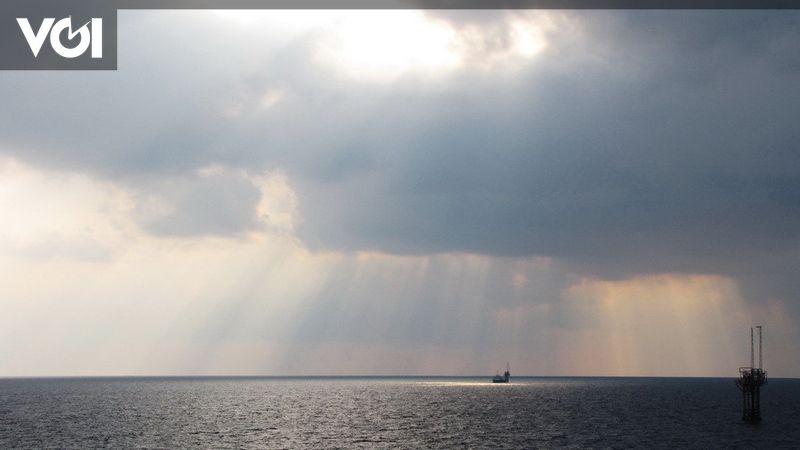
Open Magazine similarly described the strait as “one of the world’s most vital energy corridors” and said the blockade’s continuation kept “international energy markets and maritime security” at the center of the crisis.
The Economic Times added that the strait’s near closure “has already rattled markets,” sending “oil prices sharply higher” and raising “fears of a global recession,” while also noting that Trump’s assertions were not independently verified.
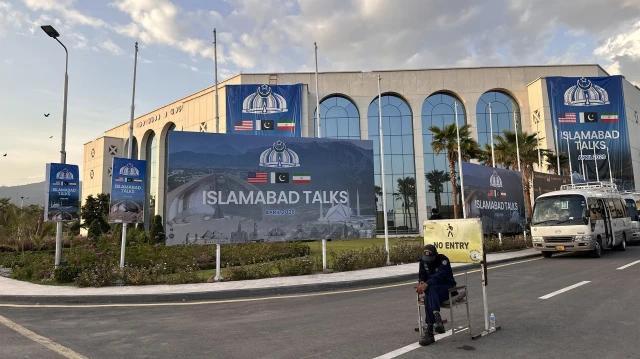
In the diplomatic track, the Economic Times said talks hosted in Islamabad by Pakistan aimed to end a war that “has killed thousands,” and it described U.S. Vice President JD Vance as having “delayed travel to Pakistan.”
It also stated that Iran demands an end to U.S. “pressure tactics,” and that “No agreement emerged from earlier negotiation rounds,” while the nuclear issue remained central, including “Iran’s stockpile of enriched uranium.”
Haaretz’s framing of Trump’s end goal—“the full reopening of the Strait of Hormuz to shipping”—contrasted with the idea of a nuclear deal or missile restrictions, underscoring that the next steps could hinge on whether reopening is treated as separate from other demands.
More on Iran
Iran Fires on Two Ships in Strait of Hormuz After Trump Extends Ceasefire
19 sources compared

Iran’s Revolutionary Guard Corps Attacks Epaminondas in Strait of Hormuz Despite U.S. Ceasefire Extension
11 sources compared
Donald Trump Extends Iran Ceasefire Indefinitely, Keeps U.S. Blockade in Strait of Hormuz
18 sources compared
Donald Trump Extends U.S. Ceasefire With Iran, Orders Naval Blockade to Continue
15 sources compared