Donald Trump Says U.S. Seized Iranian Cargo Ship as Oil Prices Jump
Key Takeaways
- U.S. Navy seized an Iranian-flagged cargo ship in the Gulf of Oman.
- Global oil prices surged after the seizure; Brent near $95 per barrel.
- Strait of Hormuz turmoil continued, keeping shipping disrupted and markets anxious.
Seizure and oil surge
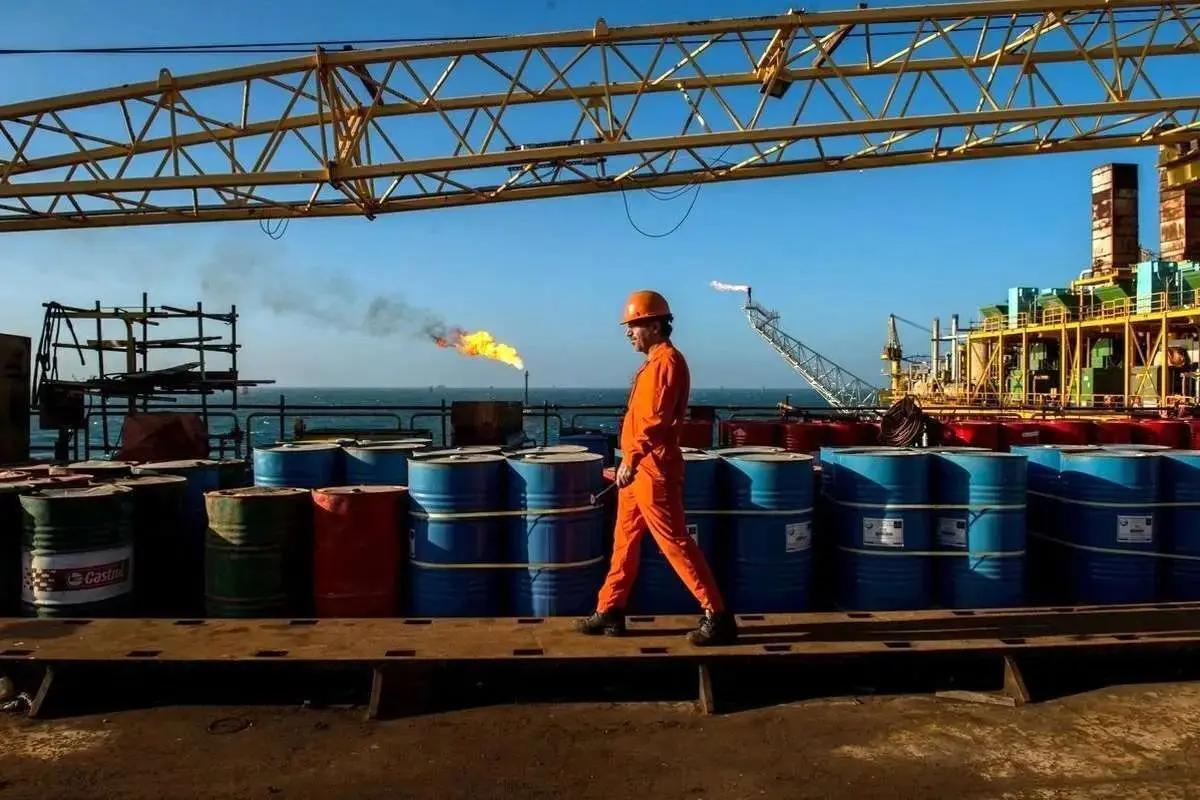
The U.S. seized an Iranian-flagged cargo ship after it tried to bypass an American blockage on Iranian ports, Donald Trump said Sunday, as oil prices jumped amid fresh escalation of the U.S.-Iran conflict.
“Opens in a new window Opens an external website Opens an external website in a new window <”
The seizure occurred in the Gulf of Oman, where Trump said American forces seized the ship after it tried to get past the American blockade, and the move came “the first seizure and the first ship fired upon since the U.S. blockade went into effect last Sunday.”

Oil prices rose around 6% Sunday evening, with Brent crude up to $95.42 and WTI at $89.77, reversing “a large chunk of the sharp decline Friday” when Trump and Iran’s foreign minister claimed the Strait of Hormuz was opening to tanker traffic.
The BBC reported that the Brent crude benchmark rose by more than 4% to $94.20 a barrel after Trump said his navy had intercepted and seized an Iran-flagged cargo ship.
The Washington Post framed the seizure as imperiling a fragile ceasefire, saying Iran threatened to retaliate Monday after the U.S. military seized the ship in the Gulf of Oman, sending oil prices soaring.
In parallel, ABC News described the standoff as preventing tankers from using the Strait of Hormuz, with U.S. benchmark crude gaining $5.18, or 6.3%, to $87.88 a barrel and Brent gaining 5.3% at $95.20 a barrel.
Hormuz reopenings and reversals
The seizure and the oil-market reaction followed a weekend of shifting claims about the Strait of Hormuz, with Trump and Iran’s foreign minister saying it was opening to tanker traffic before Iran later said it was closed again.
In the yalibnan account, the jump in prices came after “the weekend brought fresh escalation of the U.S.-Iran conflict,” and it noted that “the sharp decline Friday” reversed after Trump and Iran’s foreign minister claimed the Strait of Hormuz was opening to tanker traffic.

It also stated that Iran said on Saturday that the Strait was “again closed to traffic following threats of such action if the U.S. continued its blockade of the shipping channel.”
The BBC described the same oscillation, saying that on Friday Iran said the Strait of Hormuz would be “completely open” to commercial vessels for the remainder of the ceasefire, then on Saturday Iran said it was closing the strait again and that any ship that approached it would be targeted.
CNBC similarly said oil prices rose as the U.S. and Iran teetered on renewed war after attacks on commercial ships in the Strait of Hormuz, and it described Trump’s weekend pattern: oil prices tumbled on Friday after Iran declared the strait completely open, but Tehran quickly imposed the same conditions for transit as before.
ABC News tied the closure directly to market behavior, saying the Persian Gulf’s Strait of Hormuz was closed again after Iran reversed a decision to reopen it and Trump said a U.S. Navy blockade of Iranian ports remains in effect.
Talks in Pakistan, threats of retaliation
As the Strait of Hormuz remained in limbo, the U.S. signaled continued diplomacy even as both sides threatened escalation.
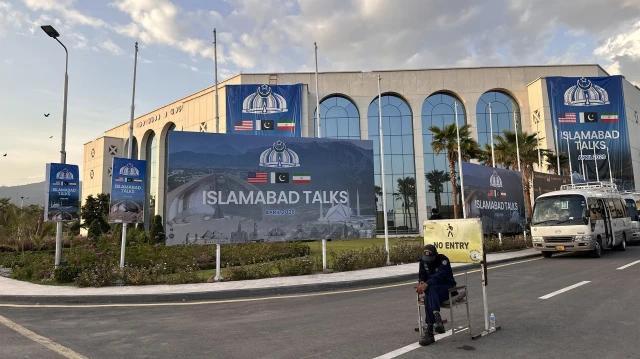
The yalibnan report said Vice President JD Vance would lead a U.S. delegation for another round of talks with Iran in Islamabad before the ceasefire was scheduled to end on Tuesday night, citing two U.S. officials told Axios, and it described the talks as an “eleventh hour opportunity to reach a deal, or at least extend the ceasefire.”
It also said Iran had yet to confirm its participation and was concerned the talks were “all subterfuge to provide cover for a U.S. surprise attack.”
CNBC said Trump told the U.S. and Iran would hold talks in Islamabad on Monday, but it added that Iran said it would not attend due to the ongoing U.S. naval blockade, citing state news agency IRNA.
The BBC similarly reported that Trump said his representatives would be in Pakistan on Monday for negotiations, that a White House official said JD Vance would lead the U.S. delegation, and that Iran’s state media said Tehran had “no plans for now to participate” in the talks.
The Washington Post described the seizure as sending oil prices soaring and further imperiling a fragile ceasefire, saying Trump renewed threats of broad attacks on Iran’s infrastructure if no deal is reached in talks expected this week in Pakistan.
Market volatility and mixed signals
Across outlets, the same weekend escalation produced different snapshots of how markets were moving and what the next days might bring.
The New York Post said “US stocks fell and oil prices surged Monday morning,” reporting that the S&P 500 and Nasdaq had slumped 0.2% and 0.4% respectively as of 9:45 a.m. Eastern Time, while Brent jumped 3.9% to $93.89 and WTI rose 4.5% to $86.29.

By contrast, Quartz said oil rose 3% and “last week's stock rally stalled on Monday,” with Brent up about 3% to $93 a barrel and WTI up more than 4% to $87 a barrel, while the Dow Jones Industrial Average, the S&P 500, and the Nasdaq were “all off slightly shortly after markets opened.”
ABC News described Wall Street veering toward losses before the open, with S&P 500 futures down 0.5%, Dow futures down 0.6%, and Nasdaq futures down 0.5%, while also reporting that oil prices climbed more than 5%.
CNBC reported WTI futures for May delivery rose about 6% to $88.99 per barrel by 11:01 a.m. ET and Brent crude futures for June delivery advanced nearly 6% to $95.57.
BBC added that stock markets were mixed on Monday, with the Dow Jones down 0.1% and S&P 500 0.2% lower, while Japan’s Nikkei closed up 0.6% and South Korea’s Kospi climbed 0.4%.
What comes next
The sources portray a near-term deadline and a continuing risk of supply disruption, with multiple outlets tying the next steps to the ceasefire’s expiration and to whether the U.S. blockade is lifted.
“Oil prices rise after Trump says Iranian ship seized Global oil prices have jumped after US President Donald Trump said its navy had intercepted and seized an Iran-flagged cargo ship”
The BBC said the Strait of Hormuz remained closed on Sunday, a day after the Islamic Revolution Guard Corps (IRGC) said it was ending a temporary reopening over the U.S. blockade, and it added that Iran said it would stay closed until the U.S. ended its naval blockade.

The New York Post said a temporary ceasefire between the U.S. and Iran is slated to expire this Wednesday if no peace deals comes through, and it reported that Iran said last week that the Strait of Hormuz was fully reopened though traffic reportedly remained restricted.
The Washington Post described the seizure as imperiling a fragile ceasefire, and it said the seizure came hours after Trump renewed threats of broad attacks on Iran’s infrastructure if no deal is reached in talks expected this week in Pakistan.
In the economic sphere, yalibnan reported that U.S. average gasoline prices may not return to pre-Iran war levels under $3-per-gallon until next year, citing Energy Secretary Chris Wright, and it said gasoline prices reached their highest point so far this year at $4.16 per gallon earlier this month and now are at $4.05, per AAA data.
Offshore Technology warned that the route previously handled around 20% of global oil supplies before the conflict began nearly two months ago, and it said India expressed “deep concerns” following attacks on two Indian-flagged ships attempting to transit the Strait of Hormuz, naming the Sanmar Herald as one of the targeted ships.
More on Iran
Donald Trump Extends Iran Ceasefire Indefinitely, Keeps U.S. Blockade in Strait of Hormuz
18 sources compared
Donald Trump Extends U.S. Ceasefire With Iran, Orders Naval Blockade to Continue
15 sources compared
Donald Trump Extends U.S. Ceasefire With Iran, Keeps Blockade of Iranian Ports
12 sources compared
Donald Trump Extends Ceasefire With Iran Indefinitely, Maintains Blockade of Iranian Ports
13 sources compared