Crime27 March, 20262 min read
Dr. Henry C. Lee Dies Aged 87; 2023 Ruling Found Him Liable For Evidence Fabrication
This article is an automated aggregation of coverage from news outlets. Our editorials offer in-depth analysis curated by the NewsCord team.
Died at 87 at his Henderson, Nevada home after a brief illness. Renowned forensic scientist who testified in the O.J. Simpson trial.
Death and immediate context
Dr. Henry C. Lee, the best-known forensic scientist who helped shape modern crime-scene investigation, died at his Henderson, Nevada home after a brief illness, at age 87.
“Famed forensic scientist Dr. Henry Lee died at the age of 87 on Friday at his home in Nevada, according to the University of New Haven.”
Reports from multiple outlets confirm his death and credit his decades-long work at the University of New Haven.
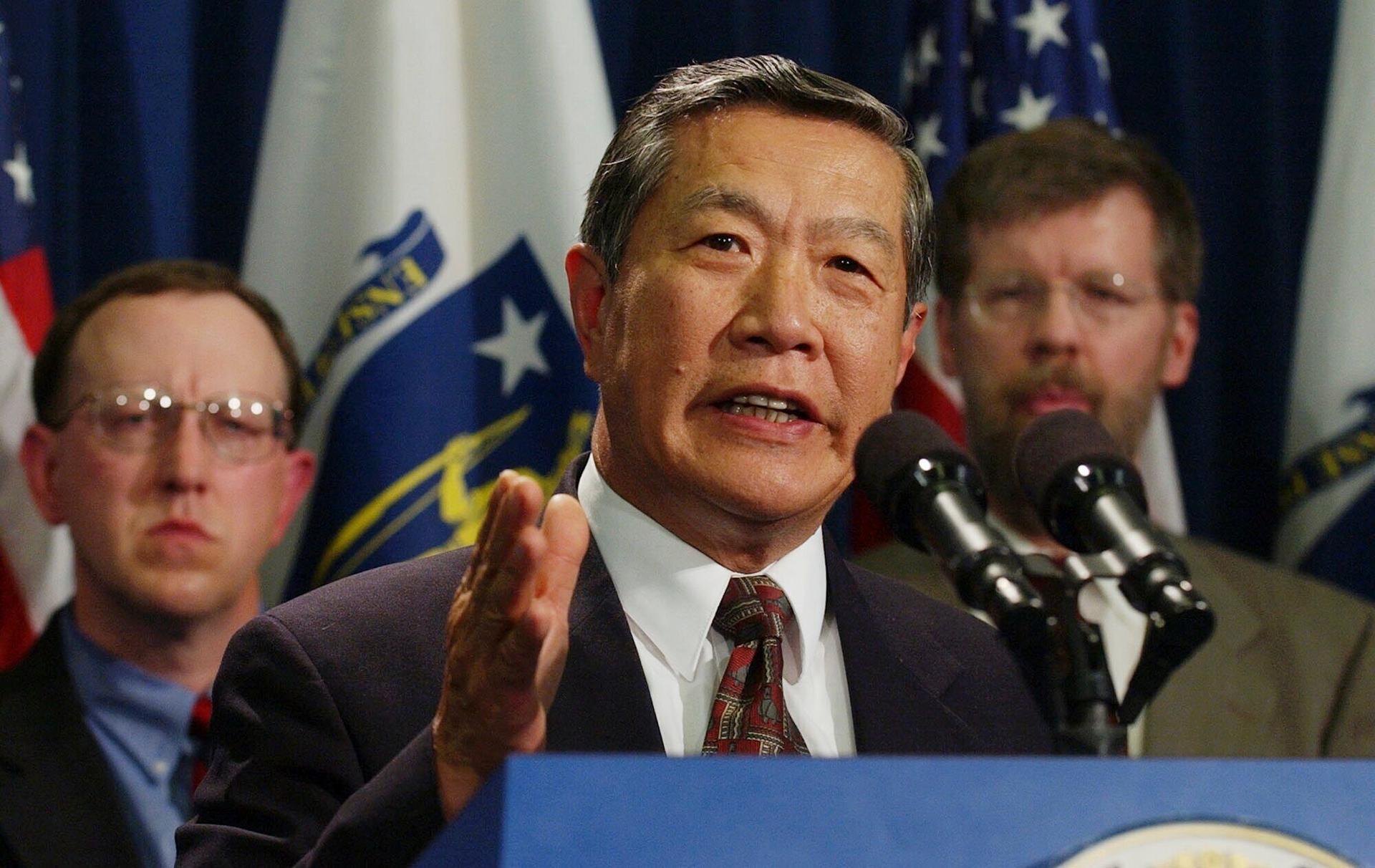
The South China Morning Post notes he 'passed away peacefully' on Friday, and NBC Connecticut states he died 'at the age of 87' at his home in Nevada.
The obituary also references a 2023 federal ruling that found him liable for fabricating evidence in a 1985 murder case.
Legacy in forensics and landmark cases
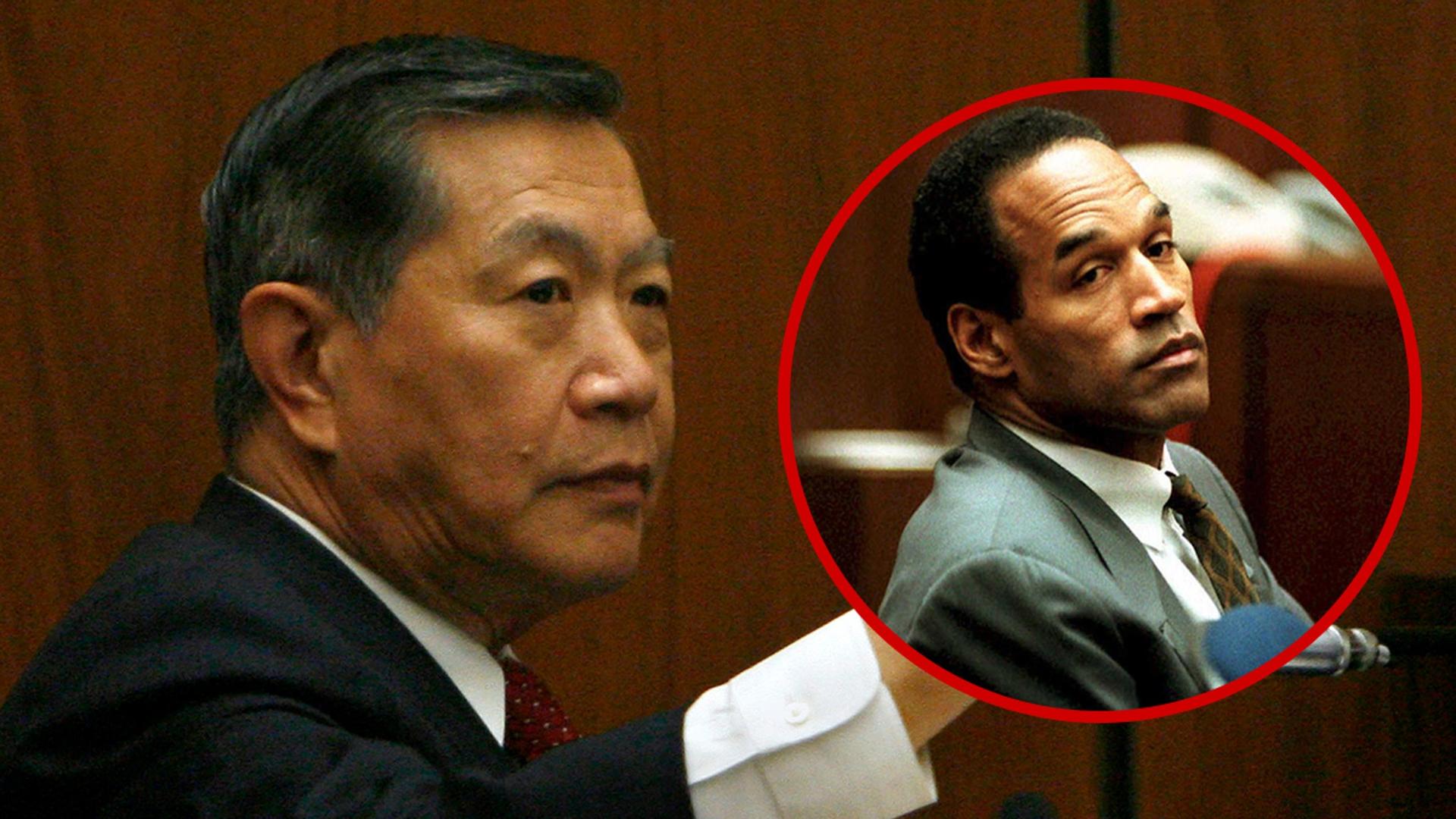
He rose to fame after his testimony in the 1995 O.J. Simpson trial, in which he questioned the handling of blood evidence.
He also served as a consultant in other high-profile investigations, including the JonBenét Ramsey case in 1996.

He founded the University of New Haven's forensic science program and served as Connecticut State Police chief criminalist and director of the Forensic Science Laboratory from 1978 to 2000.
In an interview, he remarked, 'Sometimes they compare me to Sherlock Holmes or Charlie Chan...,' illustrating how his image overlapped with fiction.
Controversies and posthumous questions
A 2023 federal court ruling found him liable for fabricating evidence in a 1985 murder case. Two Connecticut men had their 1985 murder convictions vacated, and the state paid $25.2 million in compensation to them.
“But Lee’s work drew scrutiny in his later years, with a 2023 federal court ruling finding him liable for fabricating evidence in a 1985 murder case that sent two Connecticut men to prison for decades.”
Lee defended his reputation and work, denying that he fabricated evidence and suggesting traces of blood may have degraded over time. The 2020 vacatur and the 2023 ruling illustrate the tension between his forensic credibility and legal outcomes.
Legacy scrutiny and media framing
Lee's death invites a re-examination of his contributions and the gap between his forensic innovations and the allegations that later dogged his career.
Non-Western outlets like the South China Morning Post emphasize the posthumous scrutiny of his work, while Western outlets foreground his role in the O.J. Simpson trial as a defining element of his legacy.

The University of New Haven’s memory of him as the founder of its forensic program remains a central aspect of his public profile, even as critics assess the legal challenges surrounding his testimony.
Readers are left with a nuanced portrait: a pioneer whose methods shaped forensics, but whose credibility suffered under legal rulings that overturned or questioned some of his conclusions.