
Earth Insight Warns Alaska LNG Pipeline Would Threaten Cook Inlet Beluga Whales
Key Takeaways
- Offshore oil and gas exploration threatens marine ecosystems, per Earth Insight report.
- Risks to ecologically important habitats and marine ecosystems across regions.
- Includes Jamaica's Walton-Morant block and blocks across 11 countries.
Alaska LNG Threats
A new report released Thursday by Earth Insight, in partnership with Cook Inletkeeper and other civil society organizations, warns that the proposed Alaska LNG project would threaten the critically endangered Cook Inlet beluga whale and marine habitats in Cook Inlet.
“A new report released Thursday by Earth Insight, in partnership with Cook Inletkeeper and other civil society organizations, highlights how the proposed Alaska LNG project threatens the critically endangered Cook Inlet beluga whale and some of Alaska’s most ecologically important marine habitats”
The report says the proposed Alaska LNG project is an 800-mile pipeline connecting the North Slope to a new LNG export terminal in Nikiski, and that it would add industrial pressure to an ecosystem that is home to the Cook Inlet beluga, which lives year-round in the inlet and does not migrate.
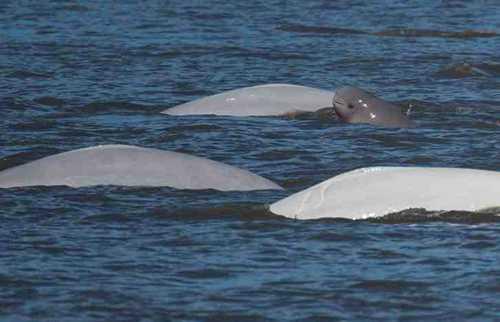
Earth Insight and its partners say current shipping traffic in Cook Inlet (Tikahtnu) already exceeds beluga whale harassment thresholds on a near-daily basis, and that if completed the AK LNG pipeline would increase vessel traffic to “disastrous levels,” further threatening the whales and the communities connected to them.
Cook Inlet is described as industrially affected yet ecologically critical, and the report says export operations could increase large-vessel traffic in Cook Inlet by 40–70%, adding underwater noise, collision risk, and cumulative stress.
The report also says the proposed pipeline and predicted tanker routes cross the critical habitat of the Cook Inlet beluga whale and three Key Biodiversity Areas, and that the Cook Inlet beluga population is likely in the low 300s, according to a 2023 estimate.
Jamaica Offshore Risks
A separate report by Earth Insight, produced in collaboration with the Jamaica Environment Trust (JET) and a coalition of international civil society organizations, warns that offshore oil and gas exploration in Jamaica’s Walton-Morant block could threaten marine ecosystems.
The Caribbean National Weekly says geospatial analysis cited in the report suggests the exploration zone intersects with nearly all of Jamaica’s coral reefs, seagrass beds and key fishing grounds along the south coast.
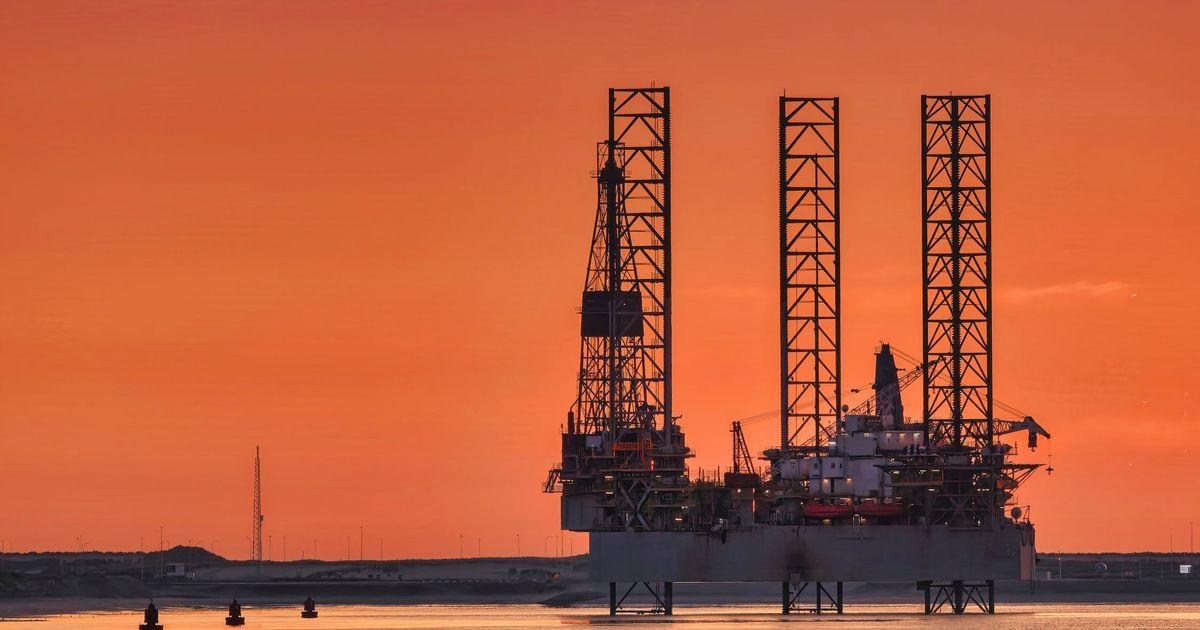
The report estimates that the mapped risk zone overlaps with about 11,070 square kilometers of ecologically or biologically significant marine areas (EBSAs), and it adds that Jamaica’s Exclusive Economic Zone contains approximately 60,159 square kilometers of EBSAs, meaning nearly 18 percent of the country’s most environmentally sensitive marine habitats could be exposed.
Theresa Rodriguez-Moodie, speaking in the report, cautioned that even early-stage exploration could lead to broader extraction activity in environmentally sensitive waters, urging a shift toward conservation and sustainable alternatives.
Rodriguez-Moodie said, “Instead of pushing for oil and gas expansion, we must focus on protecting our oceans and investing in healthy ecosystems, resilient communities and sustainable livelihoods,” as the report highlights that risk zones overlap with approximately 99 percent of Jamaica’s south coast coral reefs and 97 percent of its seagrass habitats.
Scale, Policy, and Calls
Across the broader analysis described in the coverage, the report says 12 environmental groups analysed planned new offshore oil and gas blocks covering 430,000 square kilometres in 11 countries, and it links the expansion to spills, noise, dredging and shipping.
“Editing: Joe Lo Ocean and coastal creatures are being put at risk by the spills, noise, dredging and shipping associated with new offshore oil and gas infrastructure, says a new report by a group of environmental NGOs”
Climate Home News quotes Tyson Miller, executive director of Earth Insight, saying, “It is alarming to see the research findings and the sheer scale of fossil fuel expansion trajectories threatening the health and future of our shared ocean,” as the report argues that legal protections are not stopping the expansion.
The report also says its findings “reinforce the need for governments, financial institutions and companies to stop funding and supporting offshore oil and gas expansion,” and it calls for the creation of fossil fuel-free zones in “high-value marine and coastal areas.”
In Kenya, the report is described as saying the country opened 50 offshore oil and gas blocks for bidding in the Lamu Basin, and it says those blocks overlap with all the region's mangroves and coral reefs.
Muturi wa Kamau, network coordinator for the Kenya Oil and Gas Working Group, is quoted asking, “The question is: at what cost are we willing to risk these fragile ecosystems and the livelihoods of coastal communities who have depended on them for generations?” as the coverage ties the report’s warnings to future development decisions.
More on Technology and Science

SpaceX IPO Debuts On US Markets, Making Elon Musk The World’s First Trillionaire
30 sources compared

Google Sues China-Based Outsider Enterprise for Gemini-Driven Phishing Scams in New York
11 sources compared
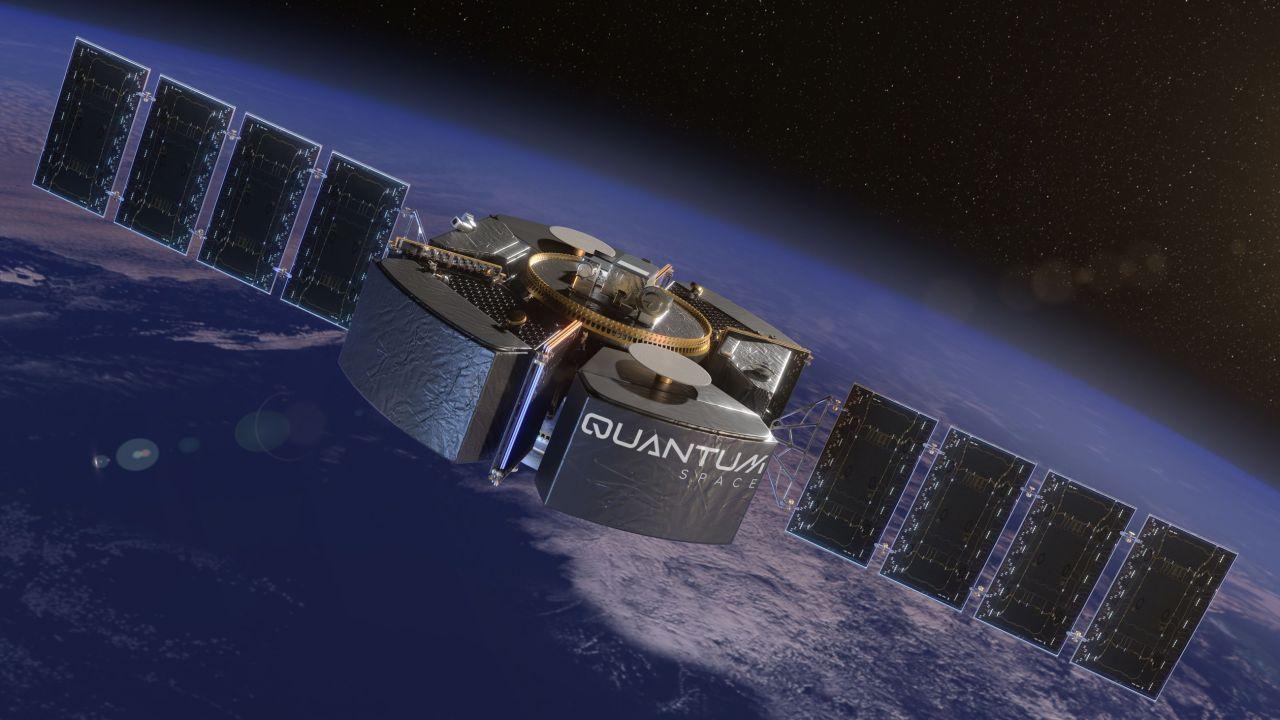
Quantum Space Agrees to Go Public Via SPAC Merger With Inflection Point Acquisition Corp. VI
10 sources compared

Coinbase Launches Coinbase for Agents Platform for AI Assistants to Trade Crypto and Make Payments
14 sources compared