Eastern Sudan Opposition Demands Halt To Chinese Copper Mining Deal In Red Sea State
Key Takeaways
- Eastern Sudan opposition urges halting long-term copper mining deal with Chinese company.
- Beja and Eastern Sudan Advisory Council spearhead the opposition stance.
- Ongoing conflict frames the mining deal debate amid regional instability concerns.
Copper Deal Sparks Pushback
Opposition is mounting in eastern Sudan over reports that the government is preparing to sign a long-term copper mining agreement with a Chinese company, with local political groups warning that Sudan’s natural resources should not be committed while war continues and key questions about the country’s future remain unresolved.
“Opposition is mounting in eastern Sudan over reports that the government is preparing to sign a long-term copper mining agreement with a Chinese company, with local political groups warning that the country’s natural resources should not be committed while war continues and key questions about Sudan’s future remain unresolved”
In separate statements, the Eastern Sudan Advisory Council and the Beja Congress called for an immediate halt to any agreements, understandings or contracts involving the region’s mineral wealth, particularly copper, until the conflict ends and a comprehensive peace settlement is reached.
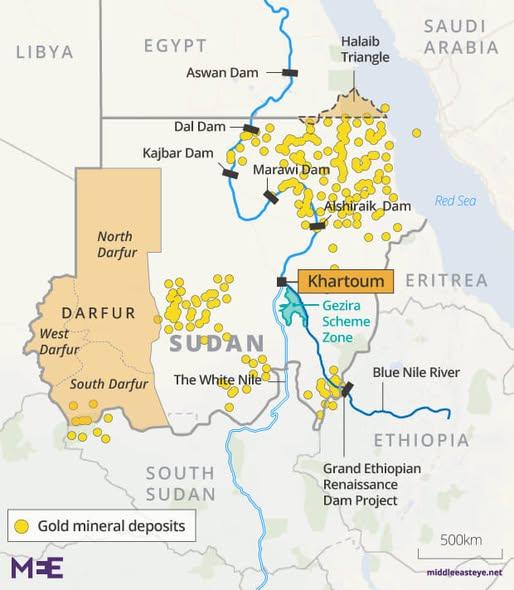
The Eastern Sudan Advisory Council said Sudan’s minerals minister, Nour El Daem Taha, travelled to Beijing to sign an agreement granting a Chinese company the right to explore for copper in Red Sea state.
The council said the proposed deal would run for 30 years and leave Sudan with only 30% of the profits, with the total value of the agreement put at just $300m.
War Context and Authority
The dispute over copper is unfolding as a wider conflict between the Sudanese army led by General Burhan and the paramilitary forces of his former deputy, General Hemetti, is described as containing “all the ingredients to degenerate into a long-running civil war.”
Ouest-France warned that even if the regular army manages to retake Khartoum, the capital of Sudan, Hemetti’s paramilitaries could continue the war in the northeast or in their Darfur stronghold.
Against that backdrop, Abu Fatima Onour questioned how a minister serving in what he described as an emergency caretaker government could make decisions about strategic resources located in a region far from his own political base.
Onour asked, “How can a minister in a temporary emergency administration decide the fate of strategic resources in another region,” and added, “when fundamental questions about the future of the state remain unresolved?”
Demands for Halt, Oversight
The Eastern Sudan Advisory Council argued for a freeze on any overseas negotiations concerning regional resources and said no such agreements should be concluded without legislative oversight or consultation with traditional community leaders.
“Opposition is mounting in eastern Sudan over reports that the government is preparing to sign a long-term copper mining agreement with a Chinese company, with local political groups warning that the country’s natural resources should not be committed while war continues and key questions about Sudan’s future remain unresolved”
It said the establishment of a national legislative council and elected state assemblies should be a prerequisite for any decisions involving sovereign national resources, and it called for transparent environmental, economic, and social impact assessments before proceeding with future investment projects.
The council also said local communities, independent experts, and professional bodies should be involved and that the findings should be published for public scrutiny.
In parallel, the Beja Congress said it shared the advisory council’s concerns and pledged to continue pressing for what it described as the full rights of eastern Sudan in matters of political representation, resource distribution, development, identity, and cultural heritage.
More on Sudan

UN Warns Rapid Support Forces Could Commit Mass Atrocities In El Obeid, Sudan
27 sources compared

Sudan Attorney General Intisar Ahmed Abdel Aal Tells UN Human Rights Council of 2,200 Rape Cases
10 sources compared

UN Report Says Rapid Support Forces Used Sexual Violence as Weapon of War in Sudan
29 sources compared
U.S. Warns RSF Buildup Near El Obeid Could Trigger Mass Atrocities
11 sources compared