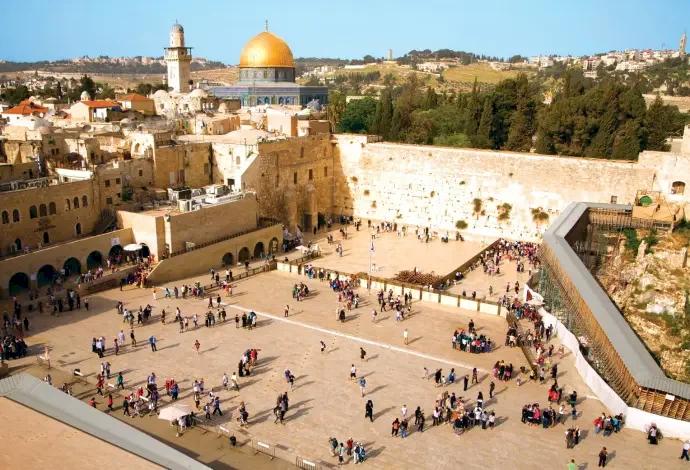
Eight Arab and Islamic Countries Condemn Israeli Worship Restrictions in Jerusalem
Key Takeaways
- Eight Arab and Muslim states condemned Israeli worship restrictions in Jerusalem, calling for lifting.
- Joint statement by foreign ministers of Turkey, Saudi Arabia, Egypt, Jordan, UAE, Qatar, Indonesia, Pakistan.
- Restrictions barred worshippers from Al-Aqsa Mosque; blocked entry to Church of the Holy Sepulchre.
Church and Mosque Closures
Israeli authorities closed the Church of the Holy Sepulchre in an unprecedented move.
“Palestinians' suffering in Jerusalem deepens as Israeli restrictions continue to target central religious observances this year, with the Church of the Holy Sepulchre closed in an unprecedented move, parallel to the ongoing closure of the Al-Aqsa Mosque, turning the worship seasons into a scene of forced emptiness”
The closure paralleled the ongoing closure of the Al-Aqsa Mosque.

Israeli authorities allowed only a limited number of clergy to perform prayers inside the church on the condition they do not assemble.
The church doors remained closed for more than 37 days.
Arab-Islamic Condemnation
Eight Arab and Islamic countries issued a joint statement condemning the restrictions in the strongest terms.
The statement described the Israeli measures as a flagrant violation of international law.
The ministers reiterated that there is no sovereignty for Israel as the occupying power over occupied Jerusalem.
Closure of Al-Aqsa Mosque
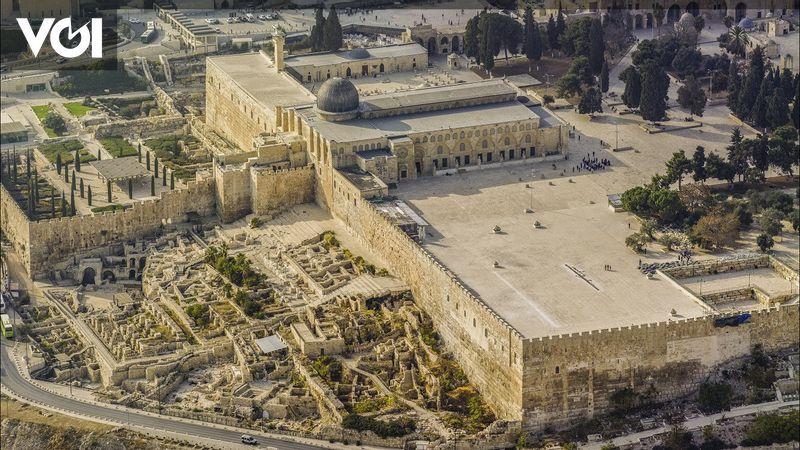
The ministers condemned Israel's ongoing closure of the Al-Aqsa Mosque for 30 consecutive days.
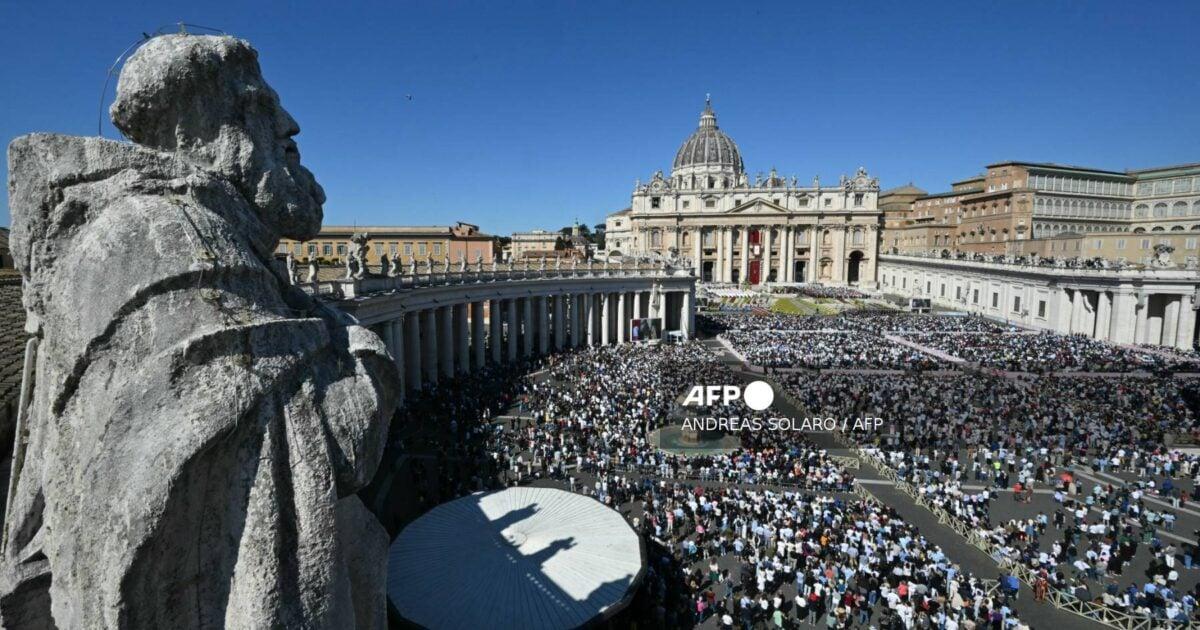
“In the usually lively alleyways of Jerusalem’s Old City, silence reigned on Easter Sunday, with the holiday overshadowed by war and restrictions on access to the Holy Sepulchre, where the faithful commemorate Christ’s crucifixion and resurrection”
They warned of the repercussions on regional and international peace and security.
The Al-Aqsa Mosque is an exclusively Muslim place of worship administered by the Jerusalem Waqf under Jordan.
They called on Israel to immediately stop closing the doors and remove restrictions on access.
Impact on Pilgrims and Residents
Markets and lanes in the Old City were closed, deepening the sense of emptiness.
Foreign pilgrims expressed sadness and frustration at being deprived of practicing their rites.
Debris from missiles had fallen in the Old City since the start of the war.
Security was stepped up in the Old City, located in annexed east Jerusalem.
More on Gaza Genocide
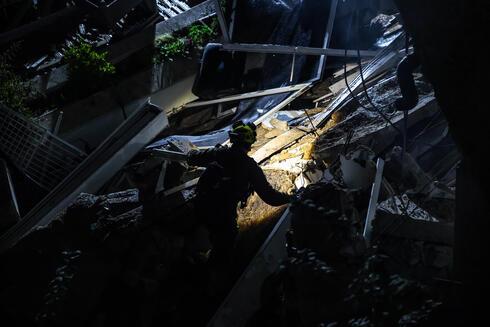
Two Killed and Four Missing After Iranian Missile Hits Haifa Apartment Block
11 sources compared
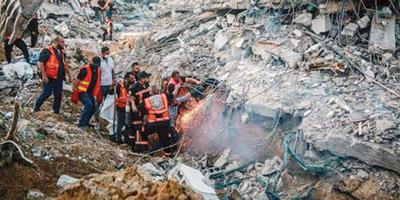
Israeli Airstrike Kills Four Palestinians in Gaza After Ceasefire
12 sources compared
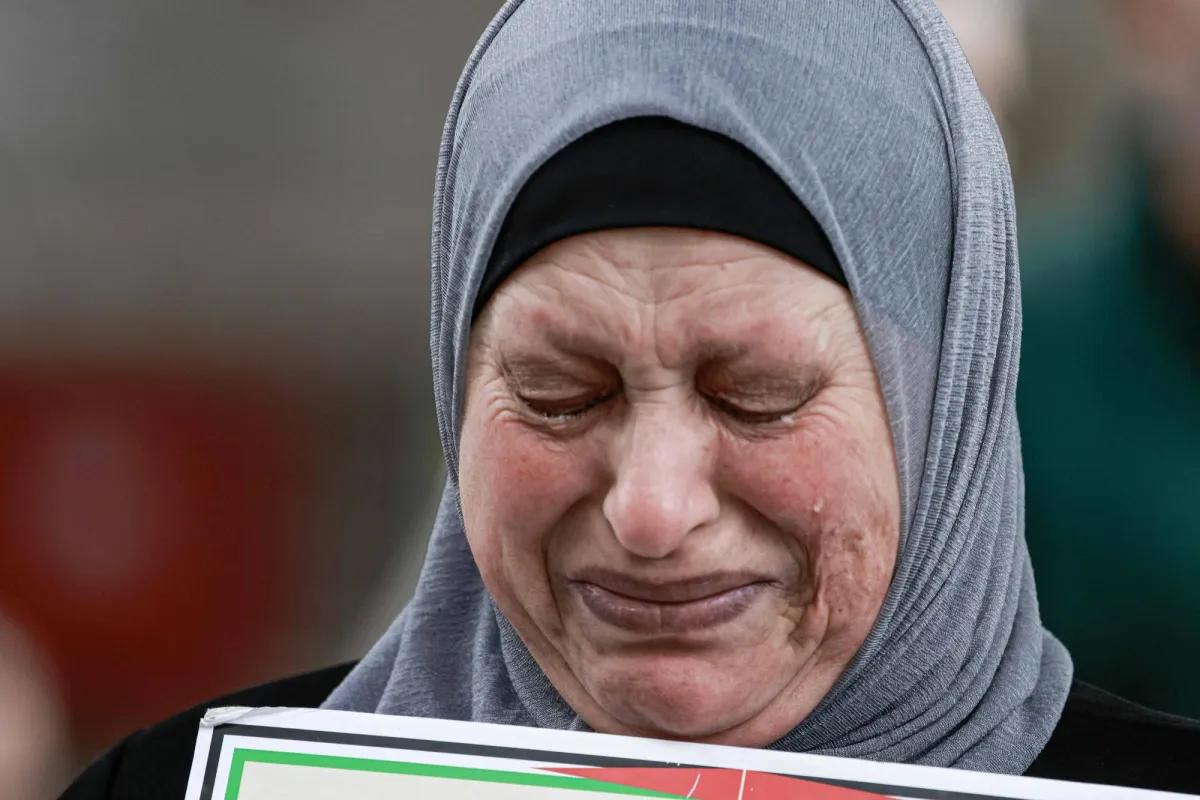
Israel's Knesset Passes Death Penalty Law Targeting Palestinians
16 sources compared
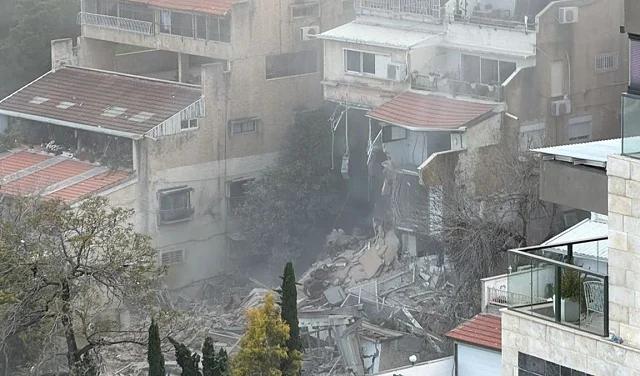
Iran Strikes Haifa with Cluster Missiles, Kills Multiple Israelis
26 sources compared