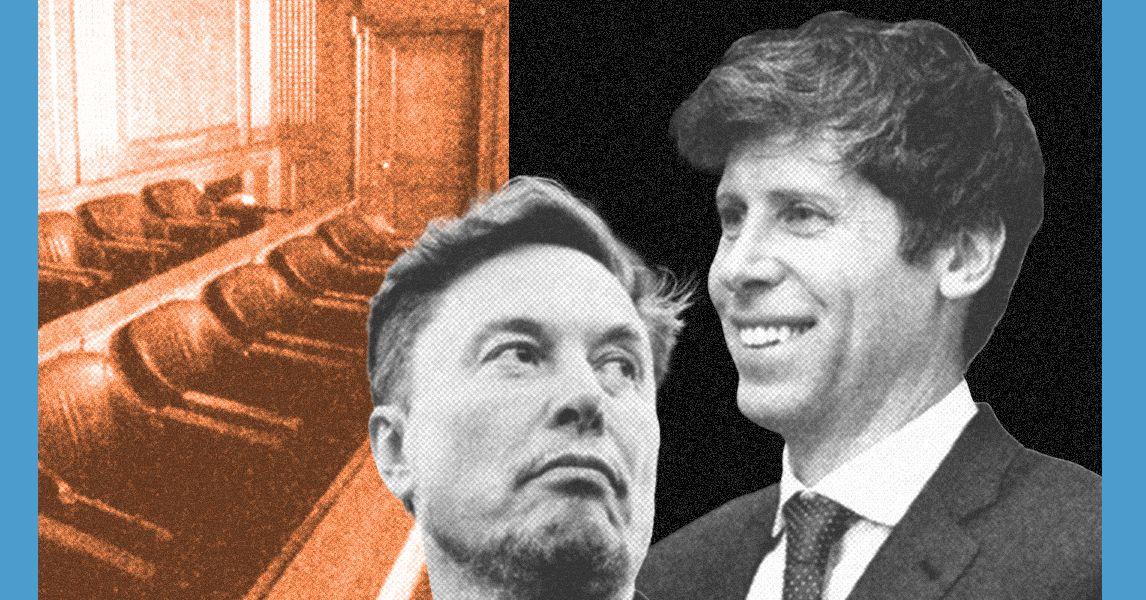
Elon Musk Takes OpenAI and Sam Altman to Court in Oakland, California
Key Takeaways
- Musk sues OpenAI and Altman in Oakland for more than $130 billion.
- He claims OpenAI betrayed its founding charitable mission.
- Nine-person jury seated as opening arguments begin in Oakland.
Jury Selection and Stakes
Elon Musk’s lawsuit against OpenAI and its leaders, including CEO Sam Altman, heads to court Monday in Oakland, California, with a jury selection process designed to test whether “an impartial jury” is even possible in a case involving two Silicon Valley celebrities.
CNN reports that “A group of regular people who might not even know much about artificial intelligence could soon determine OpenAI’s future,” and it frames the trial as a pivotal moment for OpenAI as “a blockbuster IPO” and “frenzied competition among rivals” loom.
The jury will determine liability on an advisory basis for Judge Yvonne Gonzalez Rogers, who will decide any remedies herself, according to CNN, while Wired describes the jury as helping “establish the core facts” with the verdict “advisory—Gonzalez Rogers will have the final call.”
Wired adds that the court sought nine jurors who could be “fair and impartial,” and it notes that only one juror was excused based on “strong negative opinions regarding Musk.”
Reuters and other outlets describe the case as a fight over whether OpenAI’s nonprofit mission was betrayed when it evolved to include a for-profit arm, and CNN states that the judge is calling a “much larger pool of candidates” for Monday’s jury selection, “about three times larger than typical for a civil case.”
The trial is scheduled to run for four weeks, with deliberations expected to start by May 12, and BBC reports that “a verdict is expected to be announced in late May.”
In the courtroom, Musk’s side argues the case is about charitable giving, while OpenAI’s side argues it is about competition, with BBC quoting OpenAI lawyer William Savitt saying, “We’re here because Mr Musk didn’t get his way at OpenAI.”
What Musk Says Happened
Musk’s central claim is that OpenAI’s evolution from a nonprofit into a structure that included a for-profit arm betrayed the charitable mission he says he helped found and fund.
CNN says Musk cofounded and helped fund OpenAI as a nonprofit in 2015, giving what he says amounted to around $44 million in its first few years, and it adds that he split from the company in 2018 after an acrimonious power struggle.
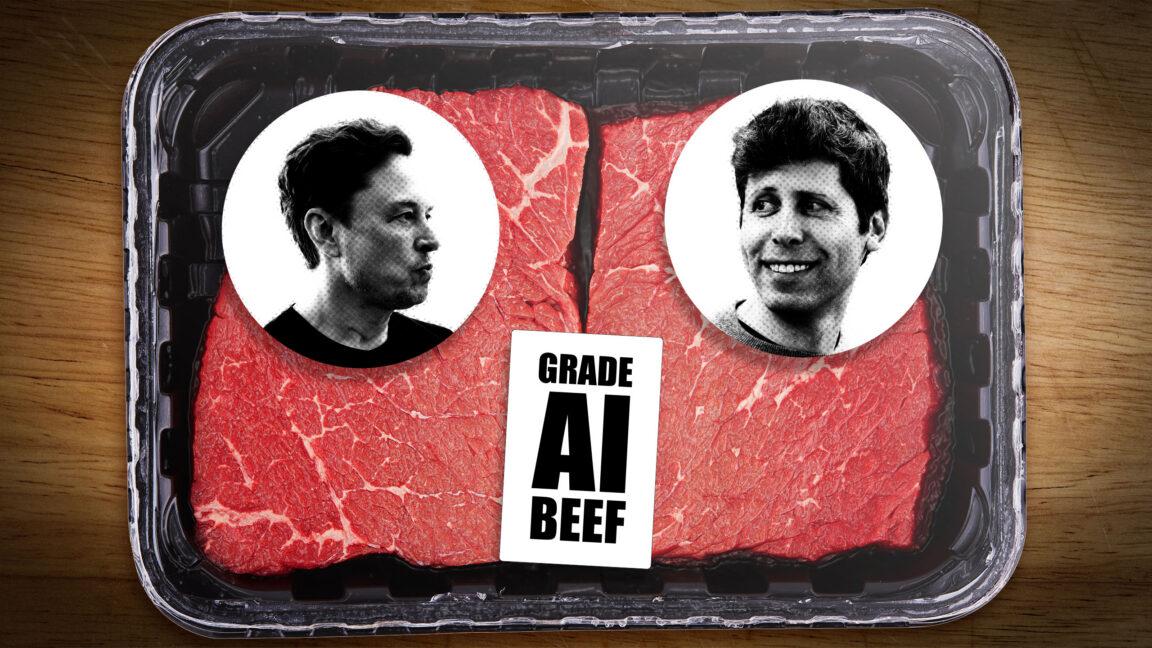
CNN reports that a for-profit subsidiary was established in 2019 and converted into a public benefit corporation overseen by the nonprofit foundation in 2025, with “The attorneys general in California and Delaware approved the shift last year.”
Musk alleges that the shift betrayed OpenAI’s original nonprofit mission to develop safe open-source AI technology for the public good, not private gain, and CNN says he claims the company profited wrongfully from his contributions in a breach of charitable trust and unjust enrichment.
In court, BBC reports that Musk told jurors, “It’s actually very simple,” and then said, “It’s not okay to steal a charity... If it’s okay to loot a charity, the entire foundation of charitable giving will be destroyed.”
NBC News similarly quotes Musk’s argument that “If the verdict comes out that it’s OK to loot a charity, charitable giving in America will be destroyed,” and it describes Musk’s testimony about his initial discussions with Altman to make OpenAI a charity that would remain an independent 501(c)(3) tax-exempt organization.
Fortune reports that Musk’s lawsuit seeks to unwind the for-profit conversion, force Altman and Brockman out of their roles, and direct any damages to OpenAI’s nonprofit arm rather than to himself, and it says the suit is for more than $130 billion.
OpenAI’s Response and Courtroom Tension
OpenAI’s lawyers portray Musk’s lawsuit as driven by competition and personal grievances rather than charitable principles, and they argue that Musk wanted control.
BBC reports that OpenAI lawyer William Savitt told the jury, “We’re here because Mr Musk didn’t get his way,” and it adds that Savitt said Musk would do anything to attack OpenAI because “he’s a competitor.”
BBC also quotes Musk’s lawyer Steven Molo reminding jurors to put aside their opinions, saying, “You all took an oath to put personal opinions aside,” and “I know you will honour that oath.”
In opening statements, NBC News reports that OpenAI attorney Bill Savitt began by lambasting Musk, saying he used his $1 billion commitment to “bully” fellow members of the founding team, and it quotes Savitt’s framing that “we’re here because Mr Musk didn’t get his way at OpenAI.”
CNN similarly describes the dispute as a question of motives, quoting Lippy that “The underlying issue is real: Can a company sell a public-good mission and later evolve into something else?” and it notes that jurors and the public will weigh whether the case is “about principle, or is it about competition.”
Arab News reports that Savitt told jurors, “What he cares about is Elon Musk being on top,” and it quotes Savitt saying, “We are here because Mr Musk didn’t get his way.”
The courtroom also includes direct judicial management of social media, with Arab News quoting Judge Yvonne Gonzalez Rogers urging Musk to “try to control your propensity to use social media to make things work outside the courtroom … Perhaps you’ve never done that before.”
Evidence, Emails, and the ‘Diary’
The trial’s evidentiary record, as described by Fortune and CNN, centers on documents and personal writings that both sides say support their competing narratives about OpenAI’s nonprofit mission and the for-profit shift.
CNN says the evidence includes “hundreds of pages of emails, texts and personal writings from some of the biggest names in technology,” and it lists expected witnesses including Musk, Altman, Brockman, Microsoft CEO Satya Nadella, former high ranking OpenAI executives, and people close to Musk including Shivon Zillis.
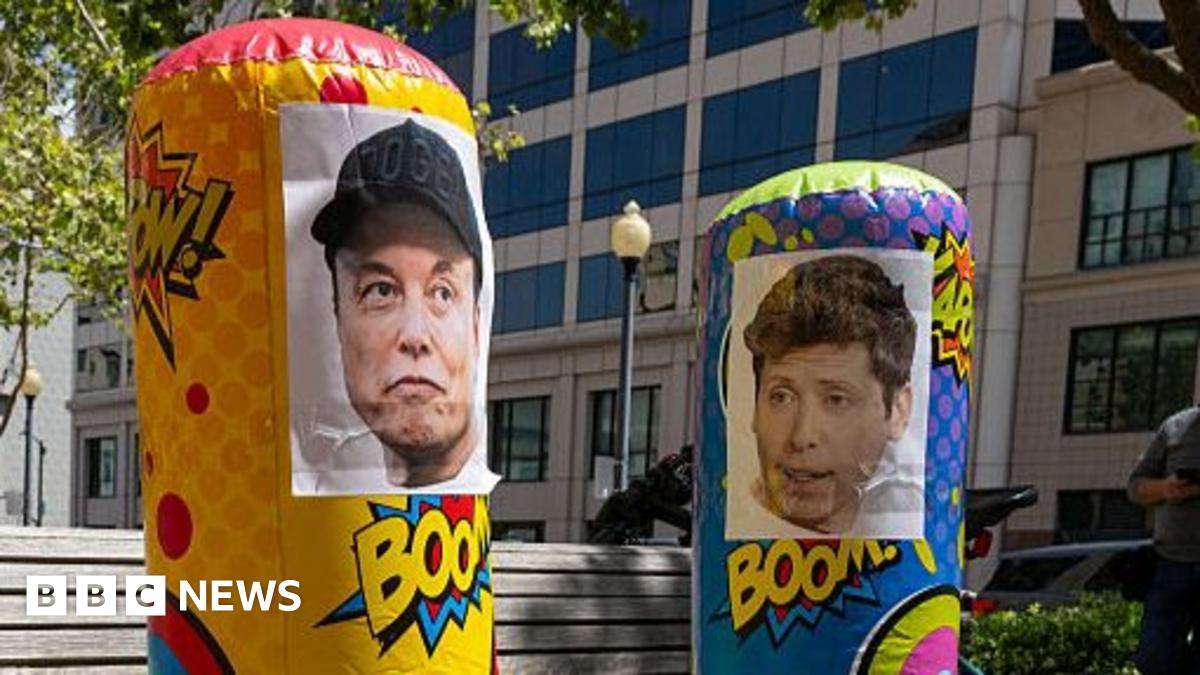
Fortune describes pretrial documents as including “raw text messages between the two powerhouses,” including an exchange from February 2023 in which Altman wrote, “You’re my hero,” and then added, “I am tremendously thankful for everything you’ve done to help—I don’t think OpenAI would have happened without you—and it really [expletive] hurts when you publicly attack OpenAI.”
Fortune also quotes Musk’s reply in that evidence, saying, “I hear you and it is certainly not my intention to be hurtful, for which I apologize, but the fate of civilization is at stake.”
Fortune further identifies what it calls “the most damaging single piece of evidence” for Musk’s argument as Brockman’s personal notes—or “diary”—which Judge Yvonne Gonzalez Rogers quoted from directly in her January order sending the case to trial.
Fortune quotes Brockman writing in September 2017, “This is the only chance we have to get out from Elon … Financially, what will take me to $1B?” and it includes Brockman’s later acknowledgment that accepting Musk’s terms would “nuke” both “our ability to choose” and “the economics.”
Fortune also quotes Brockman writing after a Nov. 6, 2017 meeting, “[He] cannot say that we are committed to the non-profit … if three months later we’re doing b-corp then it was a lie.”
Different Numbers, Different Frames
Reporting across outlets diverges on key figures and emphasizes different aspects of the same courtroom conflict, underscoring how the trial is being interpreted in real time.
On damages, Arab News reports Musk is seeking $150 billion in damages from OpenAI and Microsoft, while CNN and Fortune describe Musk seeking more than $130 billion, and NBC News says Musk is seeking an estimated $134 billion in damages from OpenAI and Microsoft.
The dispute is also framed differently in the outlets’ descriptions of what the jury will do and what the judge will decide: CNN says the jurors will determine liability on an advisory basis for Judge Yvonne Gonzalez Rogers, while Wired stresses that the verdict is “advisory—Gonzalez Rogers will have the final call.”
The outlets also differ in how they characterize the trial’s timing and procedural milestones, with CNN saying the jury is expected to start deliberations by May 12 and BBC reporting “a verdict is expected to be announced in late May.”
Even the social-media element is framed with different emphasis: Arab News quotes the judge’s admonition to Musk to “try to control your propensity to use social media,” while Wired describes how Musk used X to boost a New Yorker investigation and how OpenAI’s newsroom account posted on X calling the lawsuit an “attempt to undermine our work to ensure that artificial general intelligence benefits all of humanity.”
The evidence narrative also varies, with Fortune focusing on Brockman’s “diary” and quoted passages, while CNN foregrounds the breadth of “hundreds of pages” of emails and texts and the challenge of selecting jurors who can set aside strong opinions.
Despite these differences, the core courtroom conflict remains consistent across reporting: Musk argues “It’s not okay to steal a charity” and OpenAI argues the lawsuit is motivated by competition and that “Mr Musk didn’t get his way.”
More on Technology and Science
Meta Launches USDC Stablecoin Payouts for Creators in Colombia and the Philippines via Stripe
12 sources compared

U.S. Supreme Court Hears Bayer Appeal Over Roundup Cancer Lawsuits Filed by John Durnell
14 sources compared

Google Grants U.S. Department of Defense Unrestricted Access to Its Classified AI After Anthropic Refusal
13 sources compared
Institute of Cancer Research And Imperial College London Find Obesity Clue Behind Rising 11 Cancers In England
15 sources compared