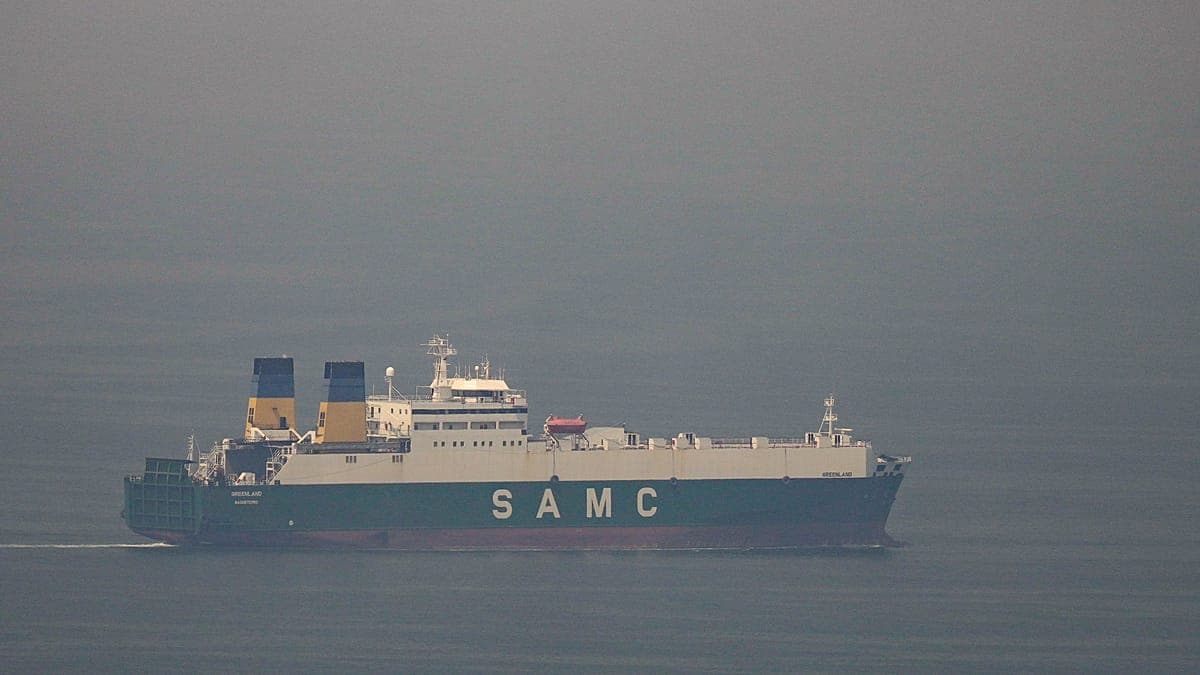
EU rebuffs Trump's demand to escort tankers through the Strait of Hormuz
Key Takeaways
- EU leaders largely reject Trump's demand to escort tankers through Hormuz.
- Germany skeptical about extending EU Aspides to Hormuz.
- Around 20% of global oil and LNG flows pass Hormuz.
EU Rejects Hormuz Mission
European Union foreign ministers have firmly rejected U.S. President Donald Trump's demands for European assistance in securing the Strait of Hormuz, with EU top diplomat Kaja Kallas declaring 'This is not Europe's war, but Europe's interests are directly at stake.'
“Skip to navigationSkip to contentSkip to footerHelp using this website - Accessibility statement Today's Paper Advertisement World Middle East Middle East conflict Print article”
After hours of closed-door talks in Brussels, European envoys made it unequivocally clear they see securing the vital waterway as America's problem to solve, with no appetite among member states to change the mandate of the EU's naval mission Aspides to cover the strait.
German Defense Minister Boris Pistorius emphasized that 'We did not start this war,' while Chancellor Friedrich Merz's spokesperson Stefan Kornelius underlined that 'it is not NATO's war. NATO is an alliance to defend the alliance area.'
The rejection represents a significant diplomatic rebuke to Trump's administration as European capitals remain deeply wary of getting drawn into the escalating Middle East conflict.
Trump's Pressure Campaign
President Trump has intensified pressure on European allies, calling for naval vessels to help reopen the Strait of Hormuz which carries approximately 20% of the world's oil and liquefied natural gas shipments.
The American president warned that it would be 'very bad for the future of NATO' if European nations failed to respond to his call for help, and publicly expressed disappointment with the lukewarm response from allies.

Trump told reporters he was confident France would assist, stating 'I think he's gonna help. I mean, I'll let you know, I spoke to him yesterday,' while expressing dissatisfaction with the UK's position after Prime Minister Keir Starmer said he would not be drawn into a 'wider war' over Iran.
Despite claiming 'we don't need anybody' and 'we're the strongest nation in the world,' Trump framed his request as a test of solidarity among allies as Iran's closure of the strait drives up global oil prices.
Hormuz Crisis Origins
The crisis stems from Iran's closure of the Strait of Hormuz in retaliation for U.S. and Israeli military strikes against Tehran that began on February 28, 2026.
“His comments echo criticism from Europeans who argue the US has not shared enough information on the war, its timeline or goals”
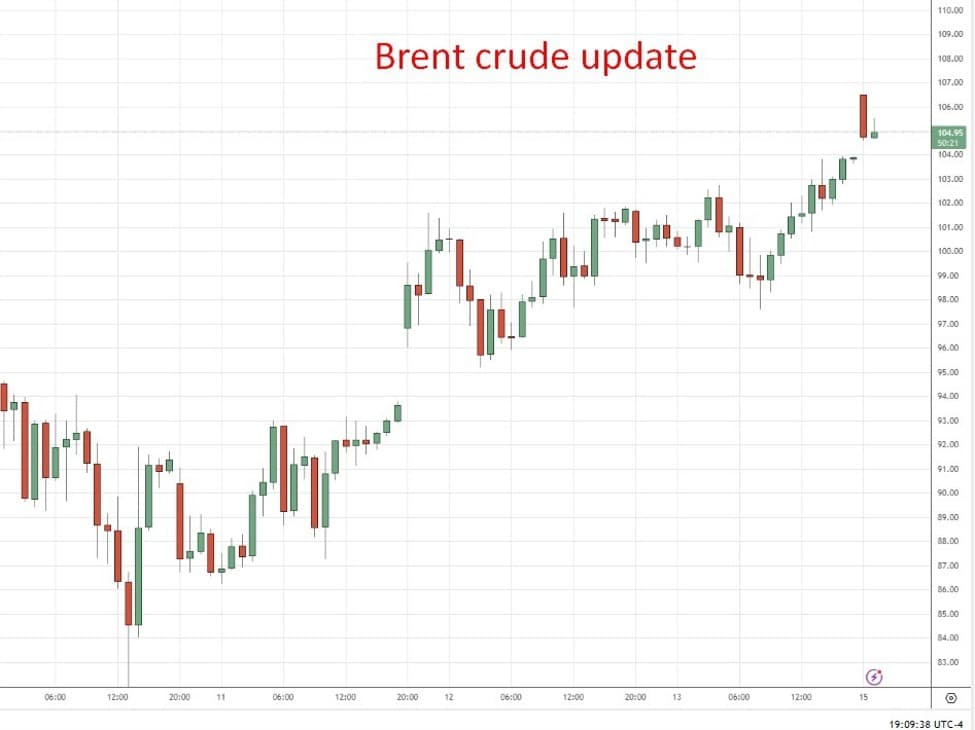
Tehran's decision to block the critical waterway has severely disrupted global energy supplies, causing oil prices to surge by 40-50 percent and creating significant economic concerns worldwide.
The strait serves as a crucial pathway for approximately 20% of the world's oil and liquefied natural gas shipments, making Iran's ability to block this route a major threat to global economic stability.
Since the American and Israeli forces began military operations against Iran, the strait has become largely impassable, with Iran attacking several vessels in the area and threatening continued disruption.
The conflict has also spread to Lebanon, where Israeli forces have carried out strikes and launched a 'limited' ground incursion that Western leaders warned Monday should not become a large-scale operation, further complicating the regional security situation.
EU Naval Mission Limits
While European ministers discussed strengthening their existing naval mission in the Middle East, they firmly rejected any expansion to the Strait of Hormuz.
The EU launched Aspides naval mission in 2024 to safeguard commercial vessels from Houthi attacks in the Red Sea, currently operating with Italian and Greek vessels under direct command plus French and additional Italian ships for backup.
Diplomatic sources indicate that any modification to the Aspides mission's mandate would require unanimous agreement from all 27 EU member nations, making expansion politically challenging.
Federal Minister for Foreign Affairs of Germany Johann Wadephul confirmed that expanding the mission is under discussion but expressed doubts about its effectiveness, remaining sceptical that extending the operation to the Strait of Hormuz would significantly improve maritime security.
Instead of expanding into the contested waterway, EU foreign ministers focused on Kaja Kallas's proposal to increase the number of ships participating in the current mission while maintaining its existing geographic scope.
German Opposition Stance
German officials have been particularly vocal in their rejection of Trump's demands, framing the conflict as America's and Israel's responsibility rather than Europe's.
“He said he is very sceptical that extending Aspides to the Strait of Hormuz would provide greater security”
German Defense Minister Boris Pistorius bluntly questioned what European frigates could accomplish in the Strait of Hormuz that the powerful US Navy cannot do, rhetorically asking 'What does … Trump expect a handful or two handfuls of European frigates to do in the Strait of Hormuz that the powerful US Navy cannot do?'
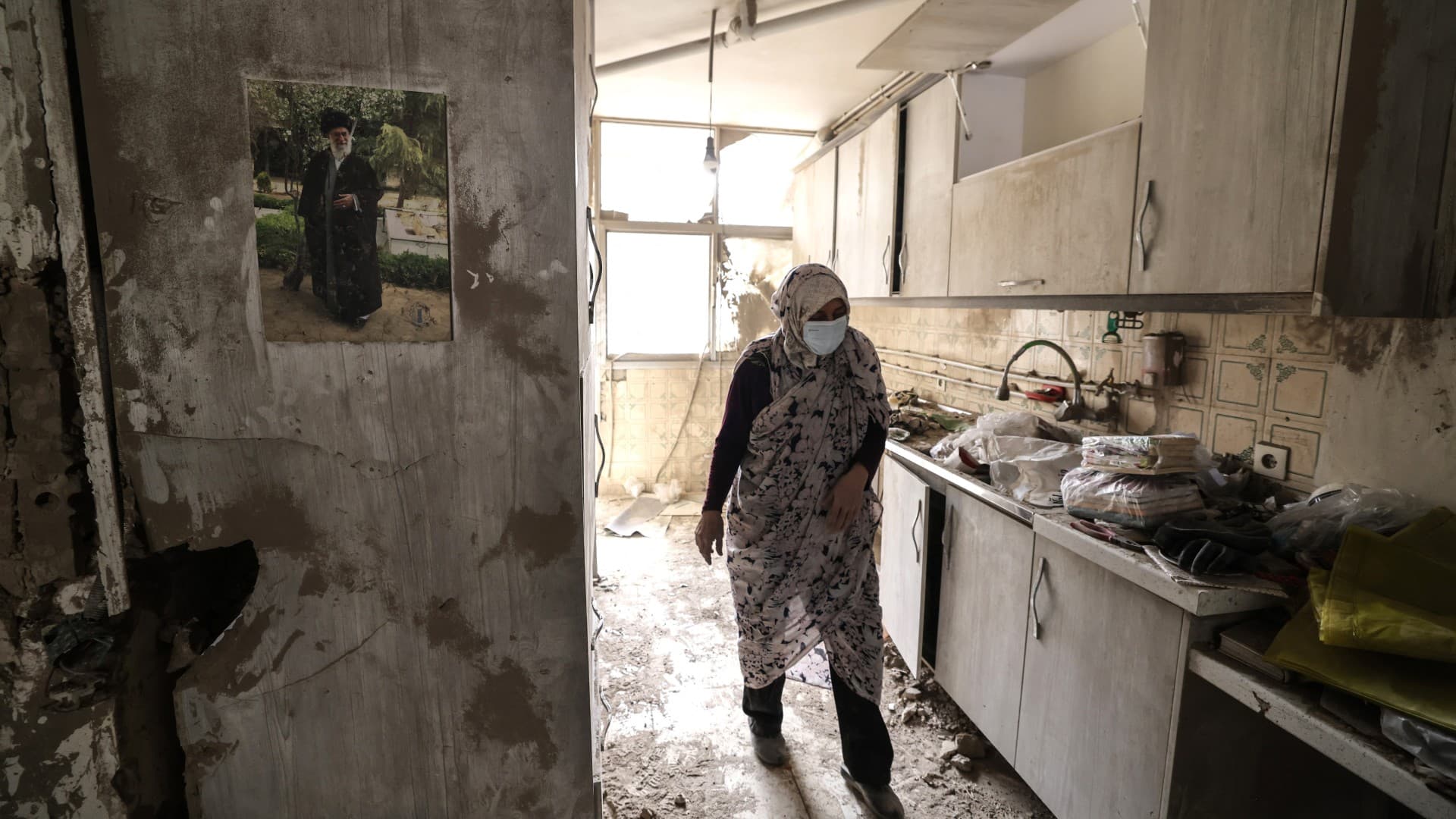
He emphasized that 'This is not our war' and that Germany's main responsibility was to defend NATO territory, not get involved in Middle East conflicts.
German Foreign Minister Johann Wadephul called for greater transparency from the US and Israel about their objectives and timeline in the war on Iran, stating 'We expect from the US and Israel to inform us, to include us into what they're doing there and to tell us if these goals are achieved.'
The German position reflects broader European concerns about being dragged into conflicts without proper consultation or clear end strategies.
More on Iran

Joe Kent resigns as NCTC director after Israel pressured U.S. into Iran war
10 sources compared

Israel Kills Iran's Basij Commander Gholamreza Soleimani in Overnight Strike
27 sources compared

President Donald Trump Furious as Global Allies Refuse to Help Secure Strait of Hormuz
16 sources compared

Israel Kills Ali Larijani, Basij Commander Gholamreza Soleimani in Overnight Strikes
11 sources compared