Technology and Science25 April, 20267 min read
European Commission Authorizes Moderna’s mCOMBRIAX Flu-COVID Combo Vaccine for Adults 50 And Older
This article is an automated aggregation of coverage from news outlets. Our editorials offer in-depth analysis curated by the NewsCord team.
European Commission granted marketing authorization for Moderna's mCOMBRIAX, first flu-COVID combo. Adults 50 and older are the target population.

Europe greenlights mCOMBRIAX
Europe has authorized Moderna’s combo mRNA flu-COVID vaccine, while the United States continues to shelve the product that was developed there.
Ars Technica reports that “This week, the European Commission authorized Moderna to market the vaccine, mRNA-1083 or mCOMBRIAX,” describing it as “the world’s first authorized combination shot for the two respiratory viruses.”
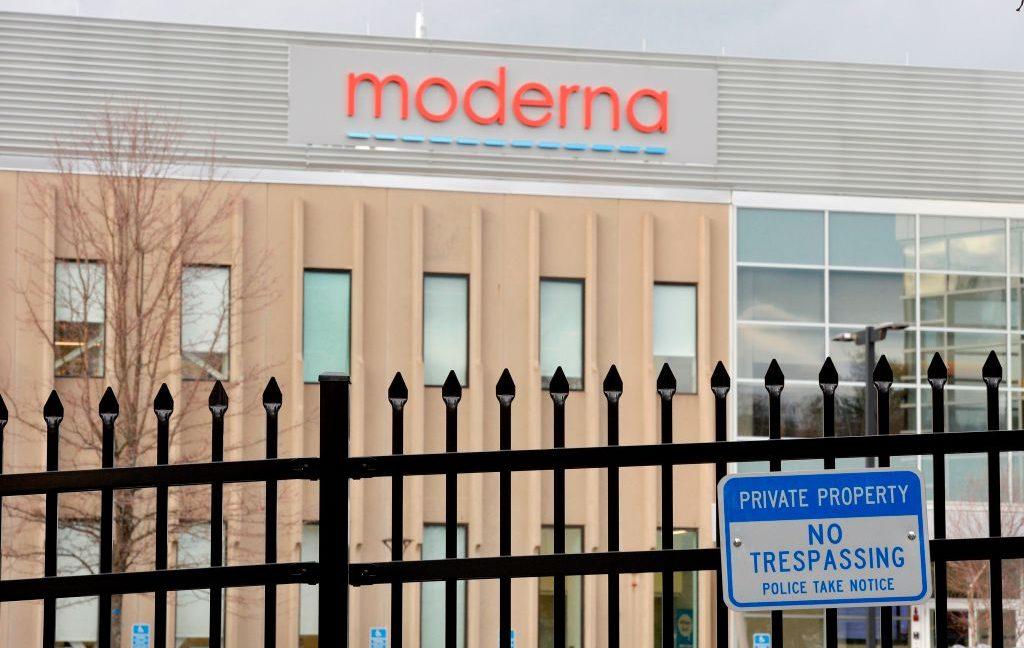
CIDRAP similarly says “Moderna’s combo flu-COVID vaccine receives European authorization,” noting that the European Commission acted after a positive review by the European Medicines Agency’s Committee for Medicinal Products for Human Use.
BioSpace frames the approval as “a much-needed regulatory win” after “a rough few months of dealing with the U.S. FDA,” and says the shot will carry the brand name mCOMBRIAX.
Zonebourse Suisse adds that the European regulator recommended approving the combined COVID-19 and flu vaccine, “paving the way for the first single-dose injection designed to protect people aged 50 and older against these two diseases.”
The European authorization is described as covering broad geography: CIDRAP says it is “valid in all 27 EU member states, as well as Iceland, Liechtenstein, and Norway,” while BioSpace says the European approval covers “all 27 European Union member states—plus Iceland, Liechtenstein and Norway—for the active immunization of people 50 years and up.”
Moderna CEO Stéphane Bancel welcomed the decision, and Ars Technica quotes him saying, “By combining protection against two significant respiratory viruses in a single dose, our vaccine aims to simplify immunization for adults, particularly those at high risk.”
Trial data and immune response
The European authorization is tied to clinical trial findings that the sources describe in detail, including the immune responses the combo shot produced against both influenza strains and SARS-CoV-2. Ars Technica says the combination shot was authorized based on findings from a Phase III clinical trial of “around 4,000 adults,” with two groups split by age: “participants aged 50 to 64” and “another aged 65 and up.” It adds that in both age groups, mCOMBRIAX produced “statistically-significant higher immune responses against common flu strains (A/H1N1, A/H3N2, and B/Victoria) and against SARS-CoV-2 than the comparator vaccines,” and that “There were no concerns over safety or adverse events.”
CIDRAP likewise says the vaccine performed well in a phase 3 trial where “a single dose elicited statistically significant higher immune responses against three influenza virus strains (A/H1N1, A/H3N2, and B/Victoria) and against SARS-CoV-2” in adults “50 to 64 years and 65 years and older,” and it states “No major safety concerns or adverse events were seen in the phase 3 trial.” Zonebourse Suisse provides a different trial framing, saying the EMA’s Friday recommendation is “based on a study of 8,000 participants,” and that those who received mCombriax generated “more antibodies than those who received the two vaccines separately.”

Zonebourse Suisse also describes comparisons in that study, saying it compared mCombriax to “a combination of Moderna's COVID-19 vaccine, Spikevax, and traditional flu vaccines from GSK and Sanofi,” and it says the EMA also reviewed data from “a study of a similar mRNA flu vaccine” in which mCombriax “elicited an adequate immune response.” BioSpace adds that the shot combines “the next-generation COVID-19 vaccine mNEXSPIKE and the investigational flu vaccine mRNA-1010,” and it reports a Phase 3 readout in June that showed “a 26.6% vaccine efficacy edge in adults aged 50 years and older.”
US delays and regulatory friction
While Europe moved forward, the United States remained a point of friction for Moderna’s combination vaccine, and multiple sources describe a U.S. regulatory retreat followed by uncertainty.
Ars Technica says the vaccine “continues to be shelved in the US, where it was developed,” and it notes that the European decision followed a positive review in February from a key European Medicines Agency committee.
BioSpace provides a timeline for the U.S. situation, saying that “In the U.S., Moderna withdrew its approval application for the combination vaccine in May last year and the timeline for resubmission remains uncertain.”
It adds that Moderna’s U.S. struggle included a refusal-to-file letter for mRNA-1010, stating that “the FDA hit Moderna with a refusal-to-file letter for the flu vaccine,” and that the FDA claimed Moderna’s data package was insufficient to even warrant a review.
BioSpace further says the FDA and Moderna “come to a compromise, with the regulator accepting mRNA-1010 for review, setting a decision date in August,” while also noting that Moderna “did not provide a specific timeline for when mCOMBRIAX will be available across the EU.”
Zonebourse Suisse also describes U.S. disruption, saying Moderna is banking on international markets because “the U.S. domestic market is disrupted by anti-vaccine activism from U.S. Health Secretary Robert F. Kennedy Jr.”
It also states that “Last year, Moderna withdrew its U.S. filing for authorization of its combined COVID-flu vaccine,” and that the company was “awaiting guidance from the FDA regarding filing a new application.”
Analyst skepticism and investor framing
Even as regulators in Europe approved the combo shot, at least one investor-facing analysis questioned the basis for approval given the status of the flu component. BioSpace reports that “We remain surprised at the willingness of the EC to grant approval,” quoting William Blair in a Tuesday note to investors, and it explains the concern that “mRNA-1010 has yet to be approved as a standalone shot in the EU.” BioSpace also says the Committee for Medicinal Products for Human Use gave the combo shot a positive opinion in February, “effectively recommending approval,” and it states that “Currently, MRNA-1010 is under review in the EU.”
The same BioSpace piece notes that Moderna did not provide a specific timeline for availability across the EU, only saying it will hit shelves “subject to national regulatory and access procedures.” Ars Technica and CIDRAP both emphasize the regulatory pathway and the safety profile, with Ars Technica stating “There were no concerns over safety or adverse events,” while CIDRAP says “No major safety concerns or adverse events were seen in the phase 3 trial.”
Simply Wall Street shifts the focus to market interpretation, describing the European approval as “putting fresh attention on how this new product might influence the stock,” and it provides specific trading figures including “a 4.95% 1 day share price decline to US$52.85” and “a softer 7 day share price return of 3.35%.” Simply Wall Street also reports valuation narratives and targets, including “analyst targets sitting lower at US$46.10,” and a “leading narrative” that “pegs Moderna’s fair value at $175.00.”
Next steps across Europe and beyond
The sources describe what happens after the European authorization, including final steps and seasonal timing, while also tying the approval to Moderna’s broader business outlook. Zonebourse Suisse says the EMA’s recommendation “still must be reviewed by the European Commission, which will grant final authorization for marketing in the European Union,” and it adds that “The timing of that decision is not specified.” It also says Moderna “says that its combined injection, dubbed mCombriax, could be available in some EU markets for the 2026-2027 season,” and that “The company expects broader availability of the vaccine in the region in 2027, when the market will reopen as current vaccine contracts in the EU expire.”
BioSpace similarly says Moderna “did not provide a specific timeline for when mCOMBRIAX will be available across the EU,” and it repeats that it will hit shelves “subject to national regulatory and access procedures.” Zonebourse Suisse connects the approval to demand dynamics, stating that Moderna is banking on international markets because “demand for COVID vaccines has fallen sharply since the end of the pandemic,” and it says the company hopes international markets will drive growth “this year.”
It also notes that “Moderna’s shares have fallen from their 2021 highs,” adding that the biotechnology company’s shares “have plunged about 90% from their 2021 highs.” Ars Technica and CIDRAP both emphasize that the vaccine is designed to simplify immunization for adults at high risk, with Ars Technica quoting Bancel that “mCOMBRIAX offers an important new option for Europeans, while also aiming to strengthen the resilience of healthcare systems across Europe.”