Europe22 April, 20265 min read
European Union Unveils Emergency Energy Measures As War With Iran Drives Price Surge
EU unveils AccelerateEU emergency energy package to cushion economies from Iran-war price shocks. Measures include fuel observatory, grid overhaul, and prioritizing jet fuel to avert shortages.
Europe’s energy emergency
The European Union unveiled emergency measures aimed at addressing a sharp rise in energy prices linked to the war with Iran, with the European Commission warning that disruptions to global supply routes, including the Strait of Hormuz, could last. The European Commission said the plan is intended to help the bloc respond to price volatility and potential supply shortages, after Europe only recently emerged from the energy crisis triggered by Russia’s invasion of Ukraine. In the Commission’s framing, Europeans were “paying the price” of dependence on imported fossil fuels “for the second time in less than five years,” a line repeated across multiple reports.
The measures include the establishment of a centralized, EU-wide body to monitor fuel imports, exports and existing stockpiles across member states, with the goal of faster identification of potential shortages in jet fuel and diesel. The Commission also said member states would coordinate more closely on the management of energy reserves, including sharing updates on any release of emergency stockpiles. In parallel, the Commission said countries would act to refill gas storage facilities to stabilize supply ahead of future demand, while governments are expected to implement targeted, temporary steps to shield households and industry from rising costs.
Cost, coordination, and jet fuel
Across the reporting, the Commission’s emergency package is tied to a specific accounting of added import costs since the start of the war with Iran, and to a specific operational focus on transport fuels. The ynetnews report says officials noted that since the start of the war, the European Union has spent an additional $28 billion on energy imports without receiving any increase in supply volumes, reflecting the impact of rising global prices rather than increased consumption. CNN similarly describes the bloc’s spending as “€24 billion ($28 billion) on energy imports since the start of the war due to higher prices – or more than $587 million a day – “without receiving a single extra molecule of energy,” it added.
The Brussels Times report also says the EU has spent an additional €24 billion on energy imports because of higher prices “without receiving a single extra molecule of energy.” The Commission’s plan includes a centralized “Fuel Observatory” to track EU production, imports, exports and stock levels of transport fuels, intended to spot potential shortages quickly and inform “targeted measures” if emergency stock releases take place. The POLITICO.eu report says the Commission will coordinate with member countries on jet fuel and diesel supplies to fend off a looming shortage, emphasizing that the first priority is to coordinate on gas storage filling, oil stock releases and “national emergency measures” to ensure supply of jet fuel and diesel.

Von der Leyen and the aviation push
The Commission’s messaging in the sources centers on both immediate relief and longer-term structural change, with Ursula von der Leyen repeatedly quoted about accelerating a shift to “homegrown, clean energies.”
The Brussels Times report attributes to von der Leyen a statement that “Our AccelerateEU strategy will bring both immediate and more structural relief measures to European citizens and businesses,” and it adds that “We must accelerate the shift to homegrown, clean energies.”
In the same report, the Commission said it would push for closer coordination between member states on refilling underground gas storage and on “any exceptional releases of oil stocks,” while also stating that national emergency measures and steps to ensure supplies of jet fuel and diesel should be “closely coordinated.”
POLITICO.eu similarly quotes von der Leyen saying “We must accelerate the shift to homegrown, clean energies. This will give us energy independence and security, and mean we are better able to weather geopolitical storms.”
The aviation dimension is also tied to explicit calls from an industry group, with CNN quoting Olivier Jankovec, director general of ACI Europe, saying EU member states should “urgently suspend” aviation taxes “so as to cushion price impacts.”
The ynetnews report adds that the Commission warned disruptions from the Gulf region are likely to continue in the near term even if hostilities subside, and it describes U.S. assessments that clearing sea mines from the Strait of Hormuz could take months.
Fuel theft and household impacts
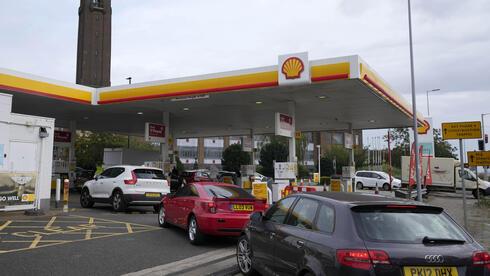
Beyond jet fuel and diesel, the sources describe knock-on effects that reach households and day-to-day costs, including fuel theft at gas stations. The ynetnews report says fuel retailers in Britain reported a rise in theft at gas stations, including by individuals without prior criminal records, reflecting mounting financial pressure on households. It adds that BBC reporting found fuel theft incidents have risen by 62% compared with last year, and it says similar trends have been reported elsewhere in Europe.
In Germany and Poland, the ynetnews report describes cases of fuel stolen from parked trucks, trailers and construction sites, sometimes causing damage that prevents vehicles from continuing their journeys. In France, it says fuel theft can carry penalties of up to three years in prison and fines of up to 45,000 euros, and it reports authorities have also reported a significant increase in such incidents since the start of the war. CNN similarly frames the broader economic pressure, saying the list of pain points for households and businesses grows weekly, ranging from higher gasoline and food prices to fewer and more expensive flights.
Fishers, funding, and next steps
The sources also show the Commission’s emergency response reaching beyond energy markets into specific sectors, including fisheries and aquaculture, while laying out funding and timelines for longer-term transition. SeafoodSource reports that the European Commission authorized member nations to provide financial assistance to commercial fishers, aquaculture producers, and processors impacted by the fuel crisis caused by the war in Iran. It says the closure of the Strait of Hormuz “has remained closed for weeks,” cutting off access to oil and sending prices skyrocketing, and it quotes the Commission’s 16 April announcement: “Hostilities in the Middle East have driven up the price of energy and raw materials, significantly increasing operating costs and squeezing profit margins across the E.U.'s fishery and aquaculture sector.”
“Hostilities in the Middle East have driven up the price of energy and raw materials, significantly increasing operating costs and squeezing profit margins across the E.U.'s fishery and aquaculture sector.”
SeafoodSource also quotes EU Commissioner for Fisheries and Oceans Costas Kadis saying, “The people who bring seafood to our tables deserve our full support when a crisis beyond their control threatens their livelihoods.” The same report says the activation was effective retroactively to the beginning of the Iran war on 28 February, and it says the European Maritime, Fisheries and Aquaculture Fund (EMFAF) has a budget of EUR 6.1 billion from 2021 through 2027. The Brussels Times report says public funding would not be enough to cover investment needs estimated at €660 billion a year until 2030, and it says the proposals are due to be discussed by EU leaders at an informal European Council meeting in Cyprus on 23–24 April.
