USA · 17 March, 2026 · 3 min read
FBI Buys Americans’ Location Data From Data Brokers, Patel Confirms
FBI resumed purchasing Americans' location data from data brokers, Patel confirms at Senate hearing. Purchases involve commercially available location data that can track individuals without warrants.
The framing of the phrase 'commercially available information'.
9 of 10 outlets skipped it: november 2025, the Privacy and Civil Liberties Oversight Board reported that the FBI does not purchase continuous or real-time location data..
9outlets compared
Same story, two versions
tap a side to read it in full
TechCrunch
“"We do purchase commercially available information that is consistent with the Constitution and the laws under the Electronic Communications Privacy Act — and it has led to some valuable intelligence for us," Patel testified Wednesday.”Read the original ↗
The Verge
“"Unlike information obtained from cell phone providers, this data can be accessed without a warrant — and used to track anyone."”Read the original ↗
Shows a contrast in framing: TechCrunch emphasizes legality and usefulness of purchased data; The Verge highlights the lack of a warrant and potential tracking, signaling concern over due process.
FBI Confirms Data Purchases
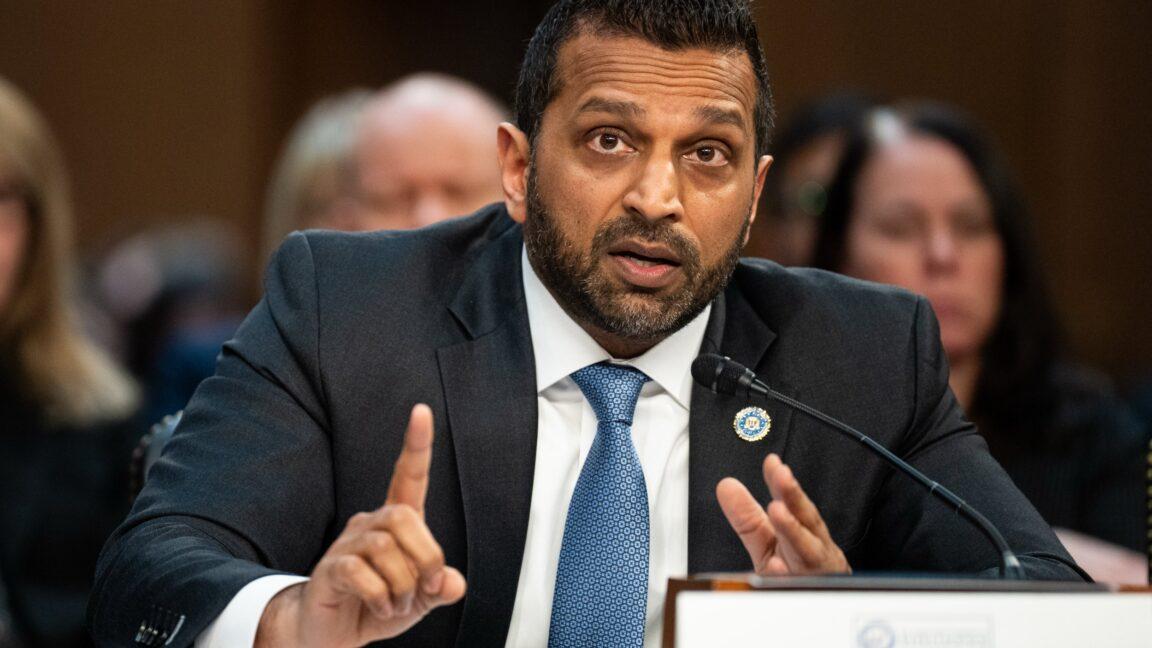
FBI Director Kash Patel publicly confirmed that the agency has resumed purchasing Americans' location data from data brokers, marking a significant reversal from the FBI's previous position. During a Senate Intelligence Committee hearing on Wednesday, Patel acknowledged that the FBI 'uses all tools' to accomplish its mission, explicitly stating, 'We do purchase commercially available information that is consistent with the Constitution and the laws under the Electronic Communications Privacy Act — and it has led to some valuable intelligence for us.'
“FBI Director Kash Patel testified to lawmakers on Wednesday that the FBI has resumed purchasing reams of Americans' data and location histories to aid federal investigations.”
This admission represents the first time since 2023 that the FBI has confirmed its active involvement in purchasing location data, after former FBI Director Christopher Wray had testified that while the agency had bought such data in the past, it was not actively purchasing it at that time. The confirmation came in response to questioning from Oregon Senator Ron Wyden, who sought clarity on the agency's current practices regarding commercial data purchases.
Data Sourcing Methods
The location data being purchased by the FBI originates from everyday consumer phone applications and digital services that collect user location information, which is then aggregated and sold by data brokers.
According to reporting, data brokers source much of their information from ordinary consumer phone apps, games, and other digital platforms that request and collect location permissions.

These technologies are central to the mobile and web advertising industry, utilizing real-time bidding (RTB) services that create detailed movement profiles from seemingly innocent app usage.
For instance, weather apps, gaming applications, and advertising networks collect location data that gets packaged and sold through commercial marketplaces.
One documented example shows that U.S. Customs and Border Protection purchased a tranche of data sourced from RTB services, demonstrating how this commercial data marketplace operates across multiple federal agencies.
Legal and Privacy Concerns
The FBI's practice of purchasing commercial location data raises significant constitutional concerns as it allows the agency to bypass traditional Fourth Amendment protections that require warrants for accessing private information. Critics argue that this method represents an 'outrageous end-run around the Fourth Amendment,' as described by Senator Ron Wyden, since it circumvents the 2018 Supreme Court ruling that requires warrants for location data directly from cell phone providers. Government agencies typically must convince a judge to authorize a search warrant based on evidence of a crime before demanding private information from tech or phone companies, but purchasing data from brokers creates a legal loophole.
“Wyden said buying information on Americans without obtaining a warrant was an 'outrageous end-run around the Fourth Amendment,' referring to the constitutional law that protects people in America from device searches and data seizures.”
Wyden emphasized that this practice is particularly dangerous given the use of artificial intelligence to analyze massive amounts of private information, warning that it creates significant privacy risks for American citizens. The FBI has declined to provide additional details about its commercial data purchases, including frequency and specific brokers used.
Congressional Response
In response to the FBI's renewed data purchasing practices, Senator Ron Wyden has called for legislative action to close what he describes as a dangerous commercial data loophole that bypasses Fourth Amendment protections. After Patel's confirmation, Wyden directly stated, 'So you're saying that the agency will buy Americans' location data,' and argued that Congress should pass the Government Surveillance Reform Act to address this practice. The bipartisan legislation aims to prevent government agencies from purchasing commercially available data that would normally require a warrant to obtain directly from companies.
This controversy highlights a broader privacy dilemma in the digital age: while websites and apps routinely collect personal information, the commercial data marketplace allows anyone with internet access and financial resources to obtain Americans' sensitive information. The FBI's admission marks a significant development in the ongoing debate over government surveillance practices and the balance between national security interests and individual privacy rights in an increasingly data-driven society.