USA28 April, 20266 min read
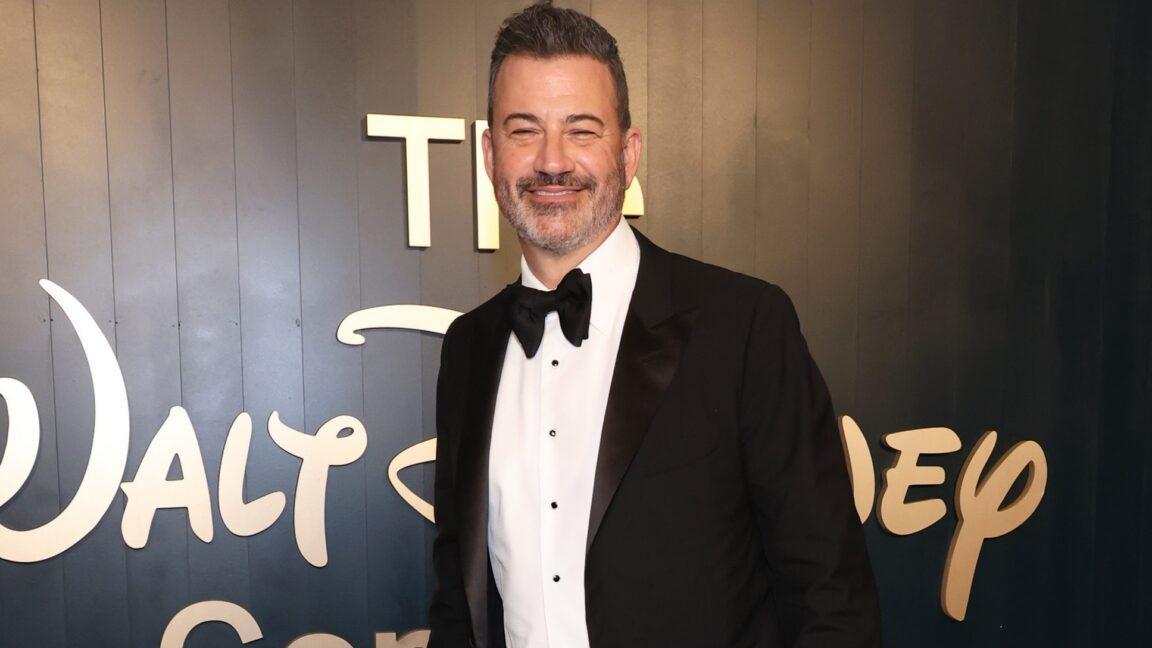
Donald Trump Demands ABC Fire Jimmy Kimmel, Says He Shouldn’t Be On Television
This article is an automated aggregation of coverage from news outlets. Our editorials offer in-depth analysis curated by the NewsCord team.
Trump urged ABC to fire Jimmy Kimmel over Melania widow joke. FCC opened a review of Disney's ABC licenses amid the controversy.

Trump presses ABC to fire
President Donald Trump renewed his demand that ABC fire late-night host Jimmy Kimmel, posting on Truth Social, “When is ABC Fake News Network firing seriously unfunny Jimmy Kimmel, who incompetently presides over one of the Lowest Rated shows on Television? People are angry. It better be soon!!!”
“Trump posted to Truth Social on Thursday morning, ‘When is ABC Fake News Network firing seriously unfunny Jimmy Kimmel, who incompetently presides over one of the Lowest Rated shows on Television? People are angry. It better be soon!!!’”
CNN reported that Trump said ABC had “better” fire Kimmel soon, and that the president told Newsmax’s Greta Van Susteren that “Kimmel shouldn’t be on television” and that “ABC is putting themselves in great jeopardy” by keeping him on air.

Variety described the dispute as Trump’s demands for Disney and ABC to fire Kimmel over Kimmel’s roast of Melania Trump as having “the glow of an expectant widow.”
The feud is tied to Kimmel’s joke during a mock White House Correspondents’ Dinner, where he said, “Mrs. Trump, you have a glow like an expectant widow.”
The Daily Beast reported that Trump had previously written, “Jimmy Kimmel should be immediately fired by Disney and ABC,” and that Trump later doubled down in another Truth Social post on April 30 with the same “It better be soon!!!” language.
In response to Trump’s latest push, the Hollywood Reporter said Kimmel fired back during his monologue, arguing that if he should be fired over poor ratings, “we should both be out of a job.”
Megyn Kelly backs free speech
Megyn Kelly pushed back on Trump’s calls for ABC to fire Kimmel, telling Adam Carolla on “The Megyn Kelly Show” that, “It’s very inappropriate,” and that “The president of the United States should not be calling for any private company to fire any employee, especially over free speech.”
The Hill similarly quoted Kelly saying, “It’s very inappropriate. The president of the United States should not be calling for any private company to fire any employee, especially over free speech,” and added that Kelly said, “But I thought the joke was out of line, personally.”

Variety reported that Kelly said she thought Kimmel’s joke “was out of line,” and that she criticized Trump’s pressure on Disney and ABC as wrong even while she did not defend the underlying joke.
Daily Express US and Just Jared both framed Kelly’s intervention as a defense of free speech, with Just Jared quoting Kelly’s “very inappropriate” language and repeating that Trump’s attempt to suppress free speech was the issue.
In the same interview, Kelly said, “ABC set the rules for how we engage in cancel culture,” and Variety quoted her adding, “They have lots of examples. They’ve got many scalps on their wall.”
Kelly’s argument also included a comparison to ABC’s 2018 cancellation of Roseanne Barr’s sitcom after Barr posted a comment on Twitter referring to former Obama aide Valerie Jarrett as looking like the offspring of the “Muslim Brotherhood & Planet of the Apes.”
Variety reported that Kelly said, “And if we’re gonna go by ABC/Disney’s standards, then it’s not good news for Jimmy,” while also saying, “the standard has to be applied even when the person offended is a Republican.”

Kimmel answers Trump’s pressure
Jimmy Kimmel responded to Trump’s latest call for his firing by arguing that if he should be removed over ratings, Trump should be removed too. The Hollywood Reporter quoted Kimmel saying, “If incompetently presiding over not just one of, but the lowest rating in history is the reason I should be fired, we should both be out of a job, because you’re not doing too good either.” Forbes similarly described Kimmel’s opening monologue response, saying he pointed to headlines about Trump’s “record-low approval numbers” and quipped, “I'm starting to think Donald Trump might be a hypocrite.”
“If incompetently presiding over not just one of, but the lowest rating in history is the reason I should be fired, we should both be out of a job, because you’re not doing too good either.”
Deadline reported that Kimmel also referenced Trump’s approval ratings and said, “If incompetently presiding over not just ‘one of’ but the lowest rating in history is the reason I should be fired, we should both be out of a job because you’re not doing too good either!,” while also noting Trump called into Newsmax to call him a “lowlife” and demand he be fired again. Rolling Stone said Kimmel’s monologue included continued skewer of Trump and Melania Trump, including a line that “Our first couple, Donald and Melania, lately have seemed closer than ever, and I like to think I played a part in that,” before showing a video of the couple’s hand holding with King Charles and Queen Camilla.
CNN reported that Kimmel had not referenced the FCC battle in his monologues this week, but continued anti-Trump commentary, including a Wednesday night quip that “Donald and Melania lately have seemed closer than ever, and I like to think I played a part in that.” Deadline said Kimmel compared the feud to war, saying, “Trump has three wars going on right now – Iranians, Ukrainians, and Comedians,” and he proposed a ceasefire deal with Trump.
FCC license review and backlash
The Trump-Kimmel fight has also spilled into federal communications policy, with the FCC ordering Disney into an early renewal process for its eight ABC station licenses.
CNN reported that “the Trump-aligned FCC ordered Disney into an early renewal process for its eight ABC station licenses,” and said the move was “widely seen as a form of government punishment.”
CNN also quoted FCC chairman Brendan Carr, who said, “The headlines can be what the headlines are, but that was the basis for our decision,” and added that there was “no pressure from the outside.”
The same CNN report said Carr denied pressure from the White House and asserted the license challenge was related to an ongoing probe of Disney’s DEI initiatives, while Anna Gomez dismissed that explanation as “clearly a pretext,” saying the early-renewal order is “part of the pattern of harassment and retaliation in order to bend Disney to this administration.”
Variety described the FCC’s action as an “almost unprecedented challenge to ABC’s station licenses,” and said Carr denied the agency was pressured by the White House.
USA Today reported that the FCC said it “has been investigating” Disney “for possible violations of the Communications Act of 1934 and the FCC's rules,” and that the agency ordered Disney to file license renewals for all of its licensed television stations by May 28.
Forbes also stated that the FCC’s planned review involves “eight markets” and that Republican Sen. Ted Cruz, Sen. Rand Paul, and Rep. James Comer criticized the FCC’s actions.
How outlets frame the same feud
Different outlets described the same Trump-Kimmel dispute with distinct emphases, even when quoting the same core lines.
Daily Express US and Just Jared both centered Megyn Kelly’s reaction to Trump’s “very inappropriate” calls, with Daily Express US quoting Kelly’s line, “It’s very inappropriate,” and Just Jared repeating that Kelly said Trump’s attempt was “very inappropriate” and about suppressing free speech.
Variety and CNN, by contrast, placed the dispute inside a broader institutional fight involving Disney and the FCC, with Variety detailing the FCC’s order and CNN describing Trump’s pressure alongside the FCC’s “almost unprecedented” challenge to ABC licenses.
The Hollywood Reporter and Deadline focused on Kimmel’s rebuttal and his framing of the feud as a distraction from other issues, with the Hollywood Reporter quoting Kimmel’s “we should both be out of a job” argument and Deadline quoting Kimmel’s “Trump has three wars going on right now – Iranians, Ukrainians, and Comedians.”
Rolling Stone and Forbes both highlighted Kimmel’s monologue jokes and his “hypocrite” framing, with Forbes quoting Kimmel’s “I'm starting to think Donald Trump might be a hypocrite.”
Meanwhile, The Hill and Variety both used Kelly’s critique of cancel culture rules, with The Hill quoting Kelly’s “ABC set the rules for how we engage in cancel culture” and Variety quoting her “They have lots of examples. They’ve got many scalps on their wall.”
CNN also included a direct quote from FCC chairman Brendan Carr, while USA Today and Forbes emphasized the FCC’s investigation and the lawmakers who criticized it, including Ted Cruz, Rand Paul, and James Comer.