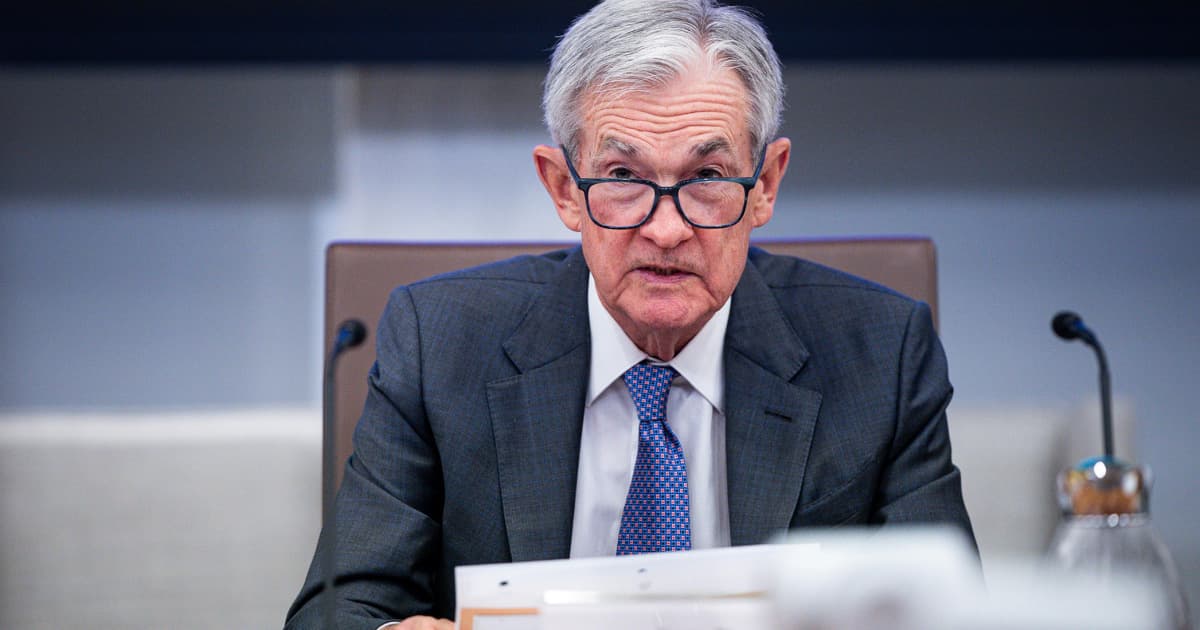
Fed and Bank of Canada Hold Rates as Iran War Drives Energy Prices
Key Takeaways
- Fed held rates steady amid inflation uncertainty and the Iran war.
- Oil prices surged as the Iran conflict drove energy costs higher.
- Global central banks signaled vigilance, balancing inflation risks with energy-price shocks.
Rate Decisions
The Federal Reserve and Bank of Canada both maintained their benchmark interest rates unchanged amid escalating Middle East tensions.
“WASHINGTON – The Federal Reserve on Wednesday voted to hold its key interest rate steady as policymakers navigate their way through higher-than-expected inflation readings, mixed signs on the labor market – and a war”
The U.S. Federal Reserve voted 11-1 to keep its benchmark rate within the 3.50%-3.75% range.

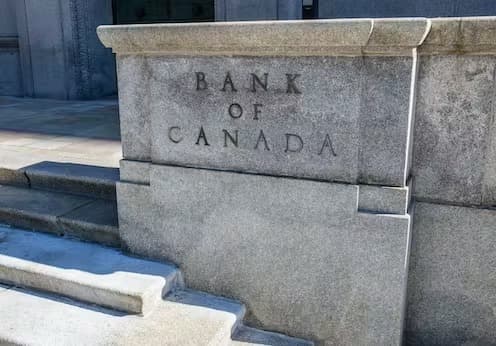
Canada's central bank held its key rate at 2.25% during this critical week of global central bank meetings.
These decisions reflect policymakers' attempts to navigate the delicate balance between controlling inflation and protecting economic growth.
The ongoing Iran conflict, which began on February 28, continues to disrupt global markets.
Inflation Concerns
Central bank officials expressed significant concerns about rising energy prices and their inflationary impact.
Brent crude oil surged past $107 per barrel - a dramatic increase from roughly $70 before the Iran conflict erupted.
Federal Reserve Chair Jerome Powell acknowledged that the substantial rise in oil prices caused by supply disruptions would likely push overall inflation higher in the short term.
He emphasized that the full economic impact remains uncertain.
The Fed's statement noted that 'near-term measures of inflation expectations have risen in recent weeks,' reflecting market concerns.
Economic Outlook
The Federal Reserve's economic projections reveal mixed signals for the coming years.
“The Federal Reserve on Wednesday held interest rates steady, as the U”
Officials raised their growth and inflation forecasts while maintaining a cautious approach to monetary policy.
Policymakers now expect GDP to increase at a 2.4% pace this year, slightly faster than the previous December forecast.
Growth is projected to progress at a solid 2.3% rate in 2027.
They also upped their inflation outlook for 2026, projecting the PCE price index to reflect a 2.7% inflation rate.
Officials continue to expect a 4.4% unemployment rate by year's end, suggesting they believe the economy can maintain stability.
Political Pressure
Political dynamics are increasingly complicating the Federal Reserve's decision-making process.
President Donald Trump continues to pressure the central bank to lower interest rates.
Earlier this week, Trump criticized Powell for not calling a special meeting to ease monetary policy.
The situation is complicated by Powell's upcoming departure from the Fed.
His term is set to end in May, with Trump having tapped former Fed Governor Kevin Warsh as the successor.
Warsh has indicated a preference for lower rates, though he has not issued recent public statements.
Global Divergence
Global central banks are showing divergent approaches to monetary policy amid economic uncertainty.
“The United States Federal Reserve and Bank of Canada both held interest rates steady on Wednesday while signaling heightened vigilance as the ongoing Iran conflict continues to drive energy prices to alarming levels”
While the U.S. Federal Reserve and Bank of Canada maintained their hawkish stance by holding rates steady, Brazil's central bank bucked this trend.
Brazil cut its benchmark rate by 25 basis points to 14.75%, launching a long-anticipated easing cycle.
This occurred despite Brazil raising its 2025 inflation forecast from 3.4% to 3.9%.
The Reserve Bank of Australia had already raised rates a day earlier, citing material inflation risks.
This divergence reflects different assessments of the economic impact of geopolitical tensions.