
Federal Judge Emily Marks Blocks Alabama Nitrogen Gas Execution of Jeffrey Lee
Key Takeaways
- Federal judge blocked Alabama nitrogen gas execution as unconstitutional.
- Ruling halts Jeffrey Lee's execution by nitrogen gas.
- Court cites the Eighth Amendment protections against cruel, unusual penalties.
Alabama nitrogen execution blocked
A federal judge in Montgomery, Ala., permanently blocked Alabama from executing Jeffrey Lee, 49, by nitrogen gas, ruling the method violates the U.S. Constitution’s ban on cruel and unusual punishment.
“Judge bars Alabama nitrogen gas execution, says method is unconstitutionally cruel Judge bars Alabama nitrogen gas execution, says method is unconstitutionally cruel MONTGOMERY, Ala”
U.S. District Judge Emily Marks issued the ruling hours after an appeals court reversed her initial finding that the method was constitutional, and she permanently enjoined the state from executing Lee scheduled for Thursday.
Marks wrote that the appeals court found the method carried "a substantial risk of serious harm," and she ruled Lee had shown by a preponderance of the evidence that the protocol constitutes cruel and unusual punishment in violation of the Eighth Amendment.
The AP reported that Marks said Lee is "not entitled to an injunction barring the state from executing him using one of those methods," noting Alabama has two other authorized execution methods, lethal injection and the electric chair.
The AP also reported that nitrogen has been used in eight executions in the United States—seven times in Alabama and once in Louisiana—and Lee was scheduled to be the ninth person executed with nitrogen.
Indiana restricts media access
A 2-1 majority of the 7th U.S. Circuit Court of Appeals upheld Indiana’s policy restricting media access to executions, rejecting arguments from news organizations that the state’s prohibition violated the First Amendment.
Writing for the majority, Judge Michael Scudder said the news organizations made a "fair and compelling point that increased scrutiny may lead to more humane and competently administered executions," but he added that allowing strangers to witness a condemned person’s execution "risks offending the dignity of their final moments."
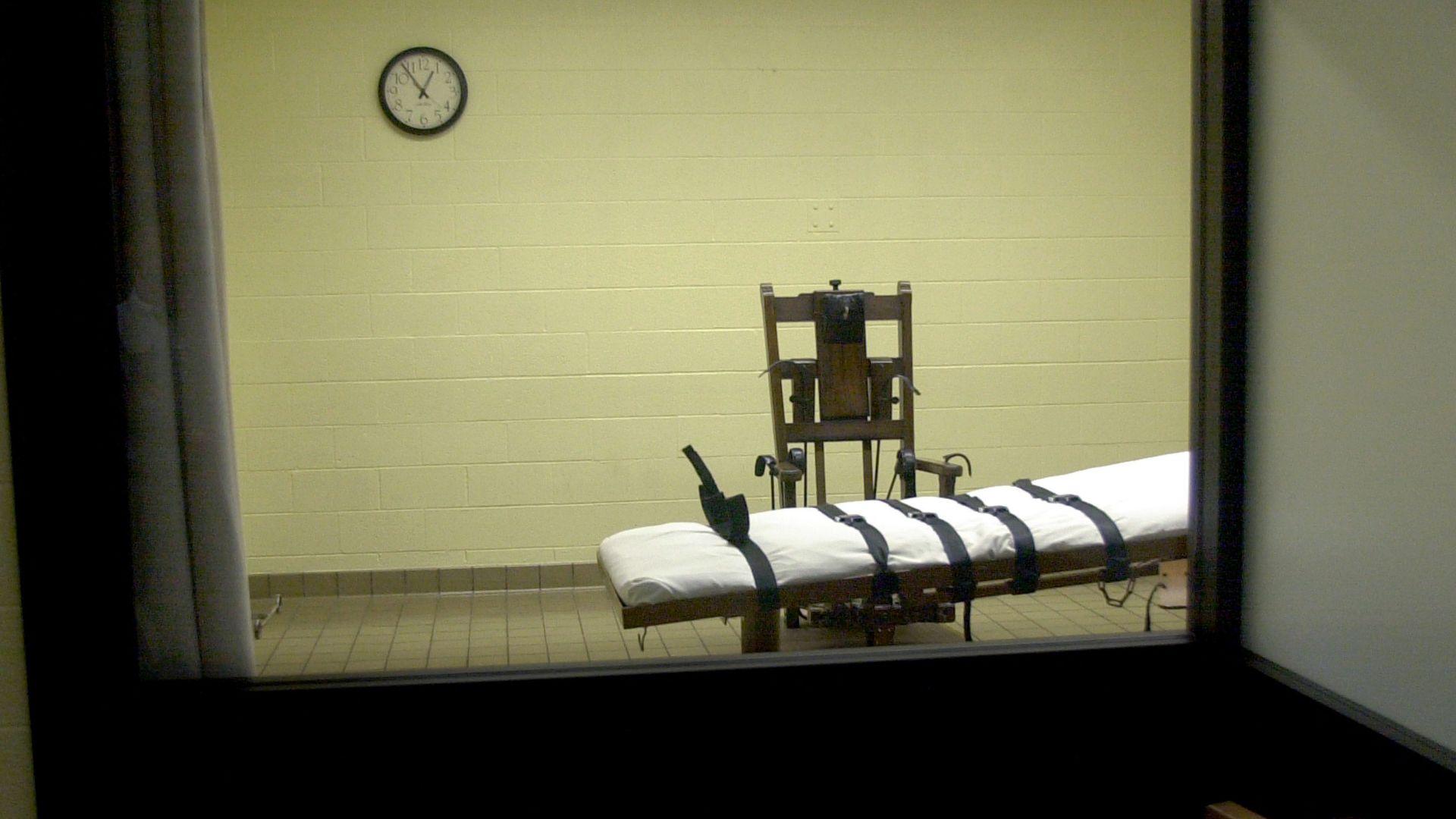
Straight Arrow News described how Danny Bible was wheeled into the Texas execution chamber on June 27, 2018, and how Keri Blakinger, a reporter for the Houston Chronicle, saw Bible quivering from Parkinson’s tremors as he told prison officials, "It hurts."
Straight Arrow News also said the Indiana Department of Corrections told it it would abide by Indiana state law when it carries out future executions, and it described how the policy leaves only affiliated witnesses to observe executions.
The Intercept framed the Indiana ban as repression, saying the state decided to inhibit public access by banning members of the media from attending executions unless the condemned person chooses to give a reporter a spot that could instead have gone to their relatives or friends.
Transparency, accountability, and fallout
Straight Arrow News reported that the Indiana Department of Corrections released a statement about Benjamin Ritchie’s execution, saying the execution began shortly after midnight and Ritche was pronounced dead at 12:46 a.m., while not denying Steve Schutte’s account of what he saw.
“Jeremy Busby is a writer and activist incarcerated in Texas”
In that account, Steve Schutte told The Indiana Capital Chronicle that Ritchie lifted "violently" from his gurney when the lethal drug was administered, and he said the execution team closed the curtains after the movement stopped.
The Intercept argued that news reports have historically allowed society to monitor government when it exercises its greatest power, but it said Indiana’s media ban blocks that oversight unless the condemned person chooses to give a reporter a spot.
The Intercept also tied the Alabama nitrogen case to its broader critique, noting that a federal appellate court upheld a decision blocking Alabama from using nitrogen gas to kill Jeffery Lee and describing the method as suffocating and asphyxiating.
AP reported that Alabama’s Attorney General Steve Marshall’s office is appealing the decision, and it said the issue seems likely bound for the U.S. Supreme Court, which so far has never ruled a state’s execution method to be unconstitutional.
More on USA

Trump Says U.S.-Iran Memorandum Will Be Signed Sunday, Strait of Hormuz Reopens
10 sources compared

Donald Trump Says U.S.-Iran Deal Will Sign Sunday, Reopen Strait of Hormuz Immediately
23 sources compared

Judge Angel Kelley Orders Trump Administration To Restore National Park Signs By July 3
24 sources compared

Trump Says US Killed Tren de Aragua Leader Niño Guerrero in Joint Strike With Venezuela
34 sources compared