
Federal Judge Grants Injunction Blocking President Trump's Ban And Pentagon Supply-Chain Designation Against Anthropic
Key Takeaways
- Judge Rita Lin blocks Pentagon's supply-chain risk label on Anthropic and Trump's federal-use ban.
- The injunction is preliminary, with hearings planned to determine legality of measures.
- Anthropic argues the measures are unprecedented and unlawful.
Judge blocks Trump-era Anthropic sanctions
The single most important NEW development is that a federal judge in San Francisco granted a preliminary injunction blocking the Trump-era sanctions and the Pentagon’s designation of Anthropic as a supply-chain risk, effectively freezing enforcement while the government appeals.
“SAN FRANCISCO -- Artificial intelligence company Anthropic is asking a federal judge on Tuesday to temporarily halt the Pentagon's "unprecedented and stigmatizing" designation of the company as a supply chain risk”
The order also temporarily halts President Trump’s directive ordering all federal agencies to stop using Anthropic and its Claude model, and it delays its own effect for one week to allow review.

The judge’s decision centers on whether the moves were retaliatory and unlawful rather than on the policy debate over AI safety, signaling that this high-stakes confrontation over AI in defense contracts is far from settled.
In the ruling, Lin described the measures as potentially punitive and not clearly tethered to national security interests, suggesting the government could have achieved its aims by simply ceasing to use Claude rather than branding Anthropic as an adversary.
The court’s pause preserves Anthropic’s present access and buys time for the government to seek emergency relief, complicating the administration’s effort to push a broad, sanctions-based policy against a private contractor.
Plan details and scope of sanctions
CBS highlights the presidential directive that would bar all federal agencies from future Anthropic contracts.
France 24 notes that the designation would require defense vendors to certify they do not use Anthropic’s models in their work.
In practice, the policy demands agencies cease using Claude for domestic surveillance or autonomous weapons, even as the Pentagon argues it must preserve broad authority to use AI for lawful purposes.
Anthropic argues the punishment follows public criticism of the contracting position and contends the government should operate within regulatory due process rather than retaliate for speech.
The injunction thus exposes the tension between safeguarding national security interests and constraining retaliation against a company for its safety and policy stances.
First Amendment angle and due process
CBS quotes Lin describing the actions as an unlawful attempt to punish Anthropic for First Amendment-protected speech.
“- Anthropic is challenging Defense Secretary Pete Hegseth's move to effectively blacklist the company”
NPR emphasizes that the measures seem disconnected from stated national security aims.
Fortune notes Lin’s characterization of the punishment as likely unlawful and potentially crippling to Anthropic.
ABC7 reports the judge characterized the actions as an unlawful campaign of retaliation against speech.
The ruling reframes the debate from policy to legal protections in the defense-contract arena.
Tech sector impact and amici
France 24 notes that the tech sector has largely supported Anthropic in the wake of the punitive measures.
NPR highlights briefs from Microsoft, the ACLU, and retired military leaders supporting Anthropic in court.

The court’s skepticism toward punitive branding suggests a potential rebalancing of how AI procurement is governed in defense contracts.
The broader implication is that aggressive designations may face legal constraints that protect innovation and speech rights.
This dynamic matters for West Asia's AI ecosystem, as policymakers weigh national security with technological competitiveness.
Ongoing litigation and next steps
Anthropic has two lawsuits against the Defense Department, one in Northern California and another in the DC Circuit, challenging the designation and the presidential directive.
“A federal judge on Thursday temporarily blocked the Trump administration from labeling Anthropic a "supply chain risk" and cutting off the artificial intelligence firm's access to federal contracts”
A separate, narrower DC Circuit case remains pending, signaling a broader constitutional contest over executive power and federal procurement.

The seven-day stay allows appeals to progress while Anthropic presses for a durable remedy if the designation is found unlawful.
ABC7 notes that Anthropic’s claims include First Amendment and due-process rights violations, highlighting the civil-liberties dimension of procurement policy.
The outcome could recalibrate how the executive branch uses sanctions in AI contracting and how private firms can contest government power when safety commitments collide with free speech.
More on Technology and Science
David Sacks Exits White House AI, Crypto Role To Co-Chair PCAST
26 sources compared
Trump Orders Ban And Supply Chain Risk Label For Anthropic; Judge Temporarily Blocks Order
10 sources compared
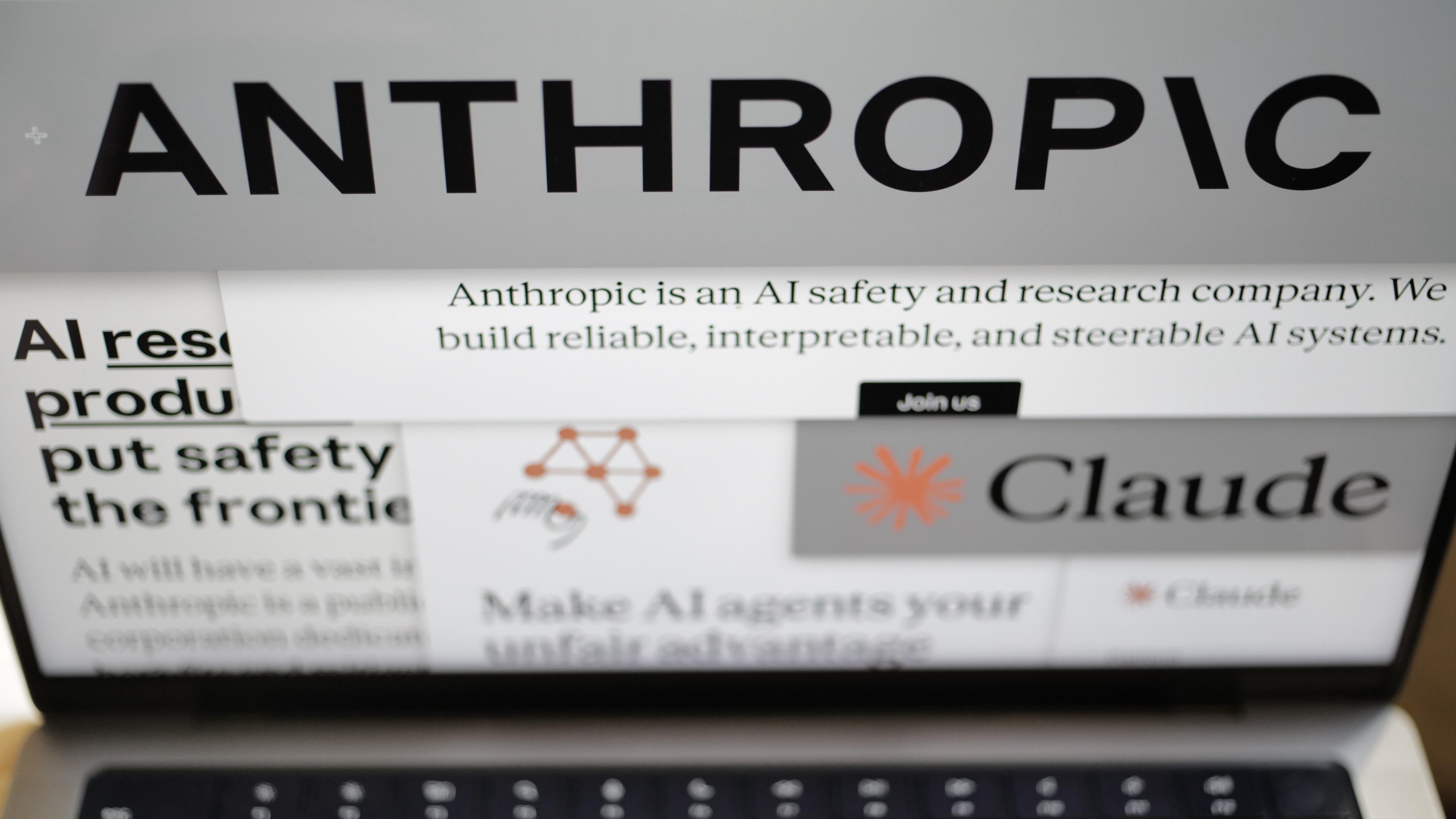
U.S. District Judge Rita Lin Blocks Trump Directive, Pentagon Supply-Chain Designation For Seven Days
16 sources compared

U.S. District Judge Rita Lin Blocks Pentagon Designation Of Anthropic Supply Chain Risk
10 sources compared