Fidel Castro Rejects Presidency, Raul Castro Takes Power as Cuba National Assembly Meets
Key Takeaways
- Third edition of Diario de Cuba forum.
- Forum debates strategies and democratic solutions to Cuba's deep crisis.
- Coverage stresses internal organization and self-determination for Cuba's future.
Castro’s exit, Cuba’s next
Fidel Castro told Cubans in a message published by the official organ of the regime, Granma, that he would not “aspirerai ni n’accepterai – je répète – je n'aspirerai ni n'accepterai la charge de président du Conseil d'Etat et de Commandant en chef,” formalizing his definitive departure from power after 19 months of political uncertainty.
“The III DDC Forum: 'For Cuba of Tomorrow' will be held on June 1 and 2, 2026, in Madrid”
The RFI account says Castro admitted in the message that he had not been able to overcome the sequelae of a grave intestinal hemorrhage, which led him to cede the reins of the country to his brother Raul in July 2006.
RFI reports that the new Cuban National Assembly would meet on Sunday next to choose, from among its 31 members, the 31 members of the Council of State and its president, a role that would become head of state after Fidel Castro’s tenure.
In the same RFI piece, Raul Castro is described as 76 years old and as having announced “changements structurels et conceptuels” on the occasion of Cuba’s national holiday on 26 July, while Carlos Lage is presented as another possible figure tied to the Council of State’s vice-presidencies.
RFI also frames the international calls for Cuba to engage on the path of democracy and notes that the transition of absolute power is portrayed as moving from the “lider maximo” to the Communist Party, with Fidel Castro remaining First Secretary.
Forum debates democratic solutions
The Diario de Cuba forum “For Cuba of Tomorrow” is scheduled for June 1 and 2, 2026, in Madrid, and is presented as a space to debate strategies and democratic solutions to Cuba’s “deep crisis.”
DIARIO DE CUBA says the event will bring together 30 experts from different countries, plus activists and representatives of Cuban civil society, to debate topics including democratic transition, institutionalism, economy, human rights, justice and memory, freedom of expression, and public policies.
Among the named participants, DIARIO DE CUBA lists Mileydi Guilarte, Julieta Lemaitre Ripoll, and the political scientists Dimas Castellanos Martí, Juan Antonio Blanco Gil, Armando Chaguaceda, Laura Tedesco and José Manuel González Rubines.
El Mundo’s account of the forum quotes journalist Gina Montaner’s framing that “The island's future is on the island,” and it describes the work ahead as being debated today and tomorrow in the third edition of the Diario de Cuba forum.
El Mundo also reports that sociologist Elaine Acosta said, “Our island has suffered a quiet erosion,” and it adds that the forum discussed Cuba’s aging society, including “more than 25% of the population over 60 years old.”
Regional lessons and transition stakes
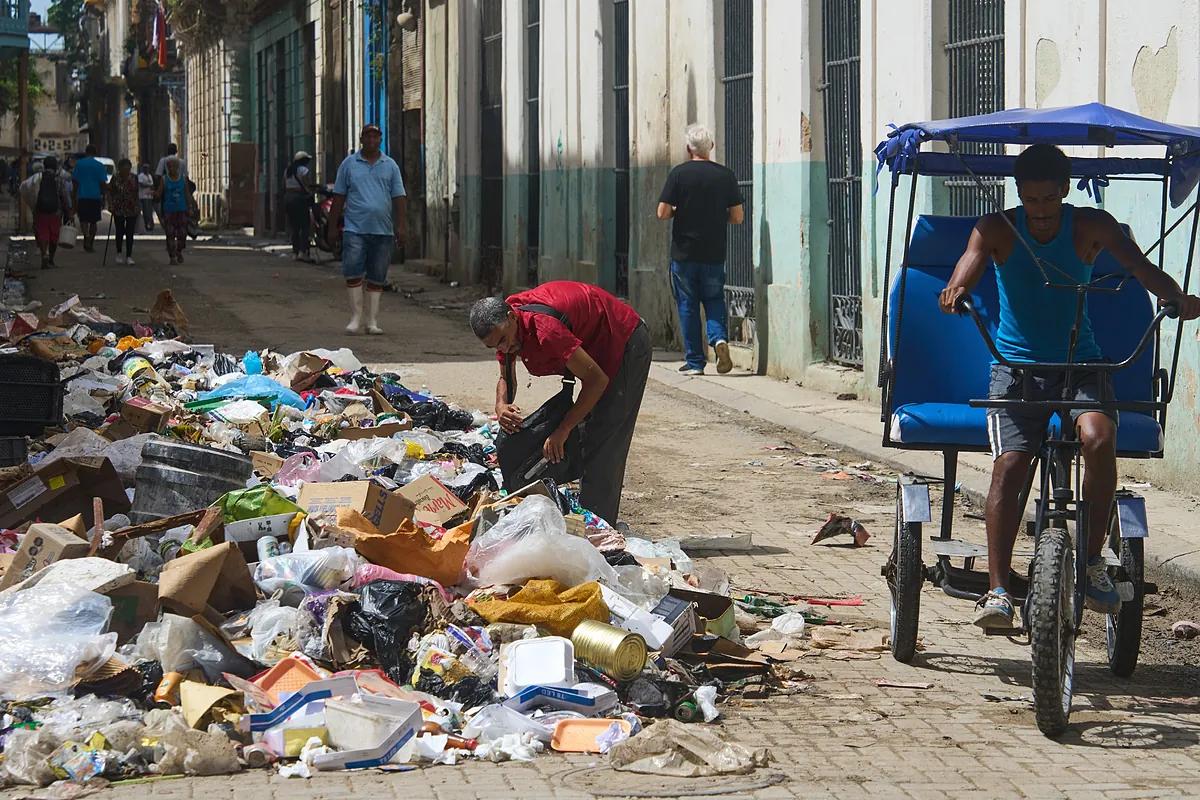
El Mundo links the forum’s transition debate to the Venezuelan case and says the crisis is described as systemic, “metastasized in every aspect of life,” from the economy to public services, food, health, education, and culture.
“Trump's rise to power marked another step in the process of weakening the State Department, and it is in this context that Senator Marco Rubio managed to obtain a leading role to redraw U”
In the same El Mundo report, dissidents Alina Bárbara López and Rosa María Payá are cited calling for unity, with Payá warning that “if they do not organize and provide a democratic alternative for the people, history will pass over them.”
El Mundo also says political scientist Juan Antonio Blanco argued that a diaspora will be difficult to return because “99% of those who have been outside more than five years will not return to the country to settle,” while new technologies can still enrich Cuba with knowledge acquired abroad.
On the forum’s stakes for rights and justice, lawyer Edel González is quoted saying that “the transition does not consist in substituting a government, but in writing the rules for a new one,” and Laritza Diversent is quoted summarizing that “Free political prisoners is urgent, but not at any price.”
El Mundo concludes by tying the transition goal to democracy with free and multi-party elections, citing Yaxys Cires of the Cuban Observatory for Human Rights, and it adds that the forum discussed the need for a parties law in the first month of the transition.
More on South America
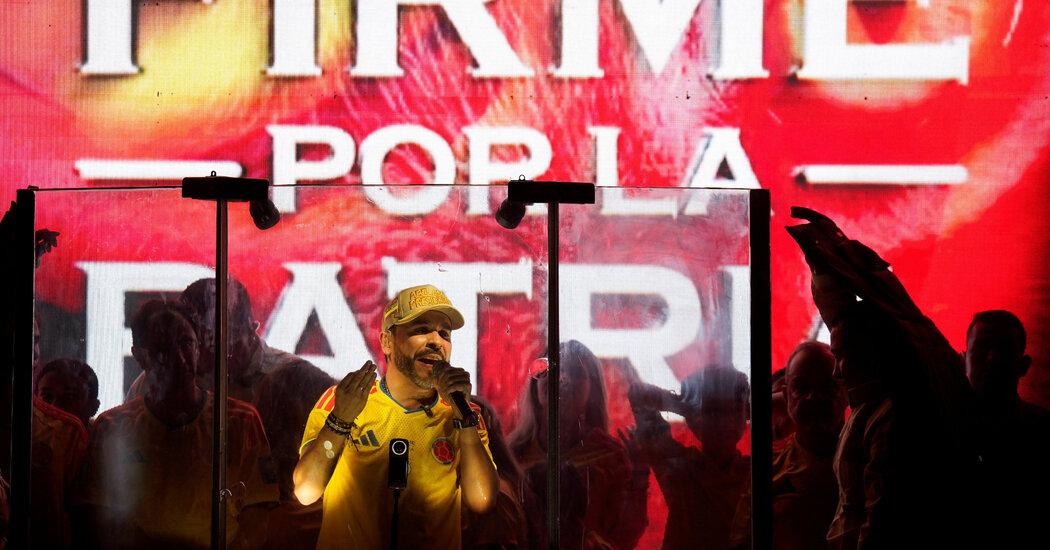
Abelardo De La Espriella Faces Iván Cepeda in Colombia June 21 Runoff
20 sources compared

Colombia Voters Face May 31, 2026 Election Amid Armed Group Territorial Control Warnings
15 sources compared

Marco Rubio Pushes Venezuelan Crude Exports to India Amid Strait of Hormuz Disruption
10 sources compared
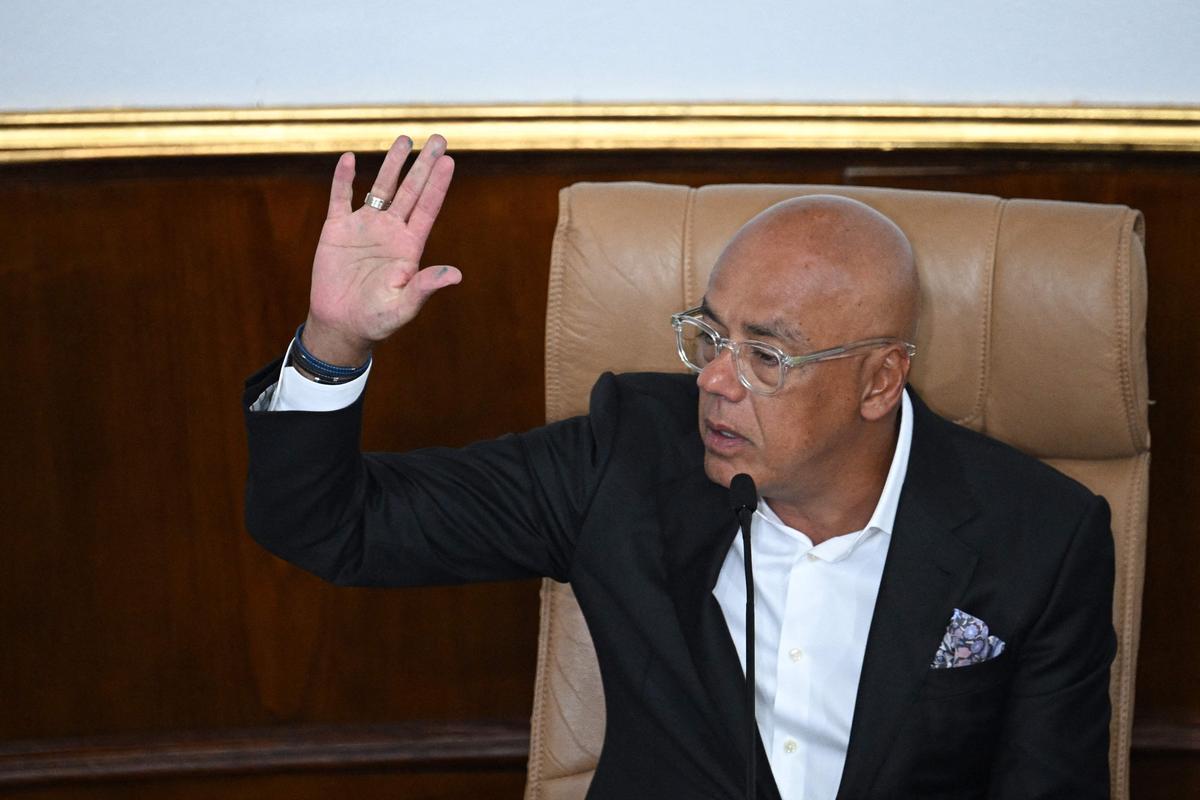
Delcy Rodríguez Announces General Amnesty Law for Venezuela’s Political Prisoners Since 1999
10 sources compared