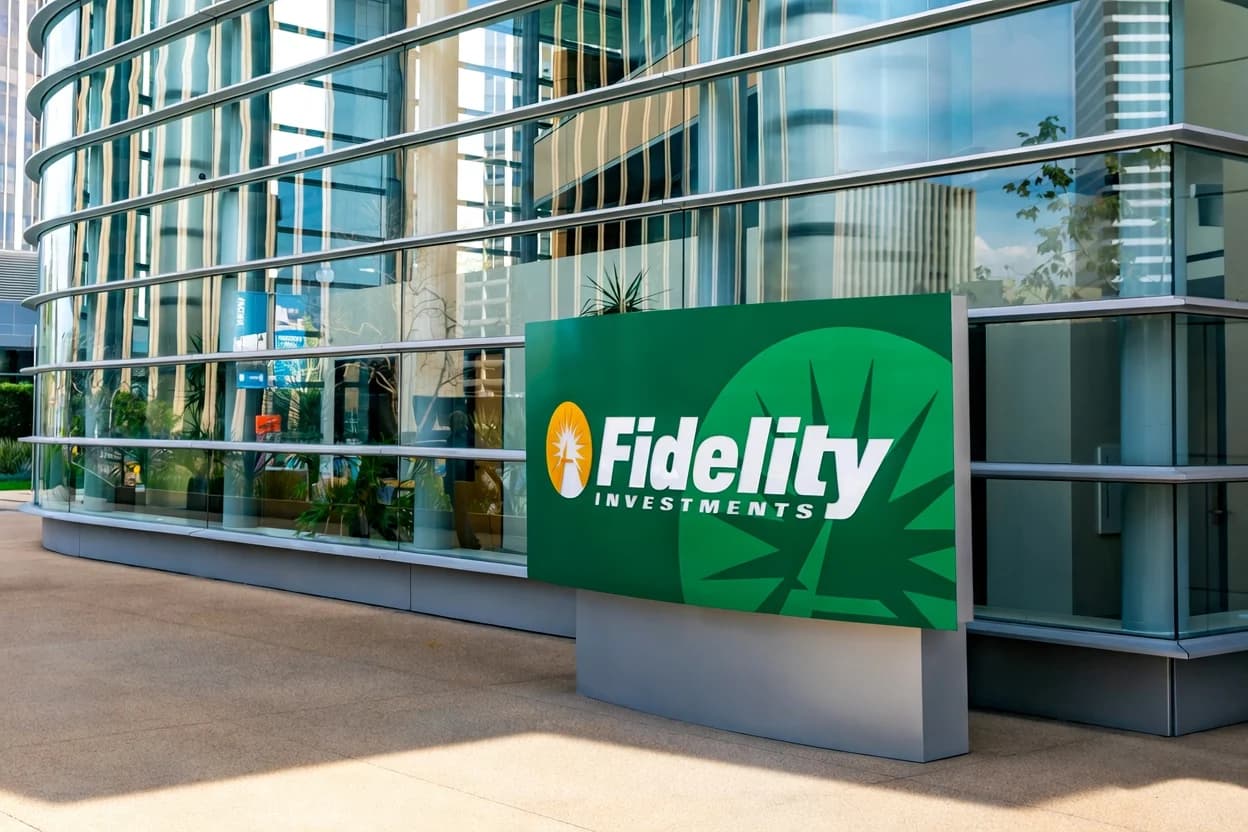
Fidelity Urges SEC to Refine Rules for Broker-Dealers Handling Crypto Assets
Key Takeaways
- Fidelity filed a letter urging enhanced crypto asset regulation with the SEC.
- SEC should develop broker-dealer framework to offer custody and trade crypto assets on ATS.
- Letter responds to Crypto Task Force's call for comments.
Regulatory Push
Fidelity Investments has formally urged the U.S. Securities and Exchange Commission to develop comprehensive regulatory frameworks for integrating crypto assets into existing market structures.
“Table of Contents Fidelity Investments has submitted a formal appeal to the United States Securities and Exchange Commission requesting enhanced regulatory clarity surrounding digital assets and blockchain-based securities”
The major asset manager submitted its recommendations directly to the SEC's Crypto Task Force in a letter dated March 22, 2026.
The correspondence served as a response to SEC Commissioner Hester Peirce's December inquiry seeking industry feedback on appropriate frameworks for cryptocurrency operations.
Fidelity characterized the regulatory development as 'critical' for the proper functioning of broker-dealers in the digital asset space.
This represents a significant push for clearer guidelines from one of the financial industry's largest players.
Broker-Dealer Needs
The financial giant outlined four key recommendations focused on providing broker-dealers with the regulatory clarity needed to effectively operate in the crypto space.
Fidelity emphasized the need for continued regulatory development specifically for broker-dealers engaging with crypto assets.

This builds on recent SEC guidance that clarified broker-dealers may custody both crypto asset securities and non-security digital assets.
The firm acknowledged this guidance as 'welcome' but stressed that additional clarity is still required for trading and custody practices.
Fidelity specifically called for guidance on broker-dealers' ability to offer, custody, and trade crypto assets while facilitating crypto-security trading pairs.
Tokenized Securities
A central focus of Fidelity's recommendations was the need for clearer regulatory standards governing tokenized securities on alternative trading platforms.
“Fidelity Investments told the US Securities and Exchange Commission (SEC) on Friday that it should continue to develop the regulatory framework for broker-dealers to offer, custody and trade crypto assets on alternative trading systems (ATS)”
The firm argued that 'brightline standards' are necessary to permit ATSs to facilitate secondary market trading in tokenized securities created by third parties.
Fidelity highlighted that tokenized instruments have significantly different issuance structures, legalities, and valuation models.
These instruments span various asset classes including equities, real estate, bonds, and private credit.
The company explained that tokenization models vary where some crypto assets represent indirect interests in underlying securities through securities entitlements.
Others may constitute securities-based swaps available only to eligible contract participants.
This complexity necessitates clearer classification guidelines to help broker-dealers navigate the regulatory landscape without bearing excessive legal risk.
Bridging Systems
Fidelity also urged the SEC to bridge the regulatory gap between centralized and decentralized trading systems.
They emphasized the need to consider how traditional intermediated markets and decentralized trading venues can coexist.
The firm noted that blockchain-based platforms offer benefits like faster settlement, lower costs, and increased transparency.
However, they may lack the safeguards imposed on regulated intermediaries.
Fidelity recommended that the SEC allow broker-dealers to use blockchain for recordkeeping purposes.
They also wanted clarification that facilitating on-chain settlement would not classify broker-dealers as clearing agencies.
The company called for overhauling reporting requirements for DeFi platforms which cannot produce detailed financial reporting due to lack of central authority.
This would remove 'undue burden' from decentralized systems, according to Fidelity.
Regulatory Context
The regulatory push from Fidelity comes amid broader efforts by the SEC under Chairman Paul Atkins to modernize frameworks for emerging technologies.
“Table of Contents Fidelity Investments has submitted a formal appeal to the United States Securities and Exchange Commission requesting enhanced regulatory clarity surrounding digital assets and blockchain-based securities”
The agency has recently given regulatory approval for financial companies to experiment with tokenized trading.
This signals a more accommodating approach compared to prior enforcement-heavy strategies.
The initiative builds on incremental SEC moves including clarifications on broker-dealer custody of crypto assets.
Commissioner Peirce has repeatedly encouraged firms exploring tokenization to engage directly with regulators.
This underscores a shift toward collaborative regulatory development in the digital asset space.
Fidelity's recommendations reflect the growing importance of establishing clear regulatory pathways.
Traditional finance is increasingly embracing blockchain-based financial infrastructure.
More on Crypto

Thane Police Arrest CoinDCX Founders in Fraud Case Involving Impersonation Websites
10 sources compared

Attacker Mints 80 Million Unbacked USR, Extracts About $25 Million in ETH from Resolv
10 sources compared

Grayscale files S-1 for Hyperliquid ETF, to trade as GHYP on Nasdaq if approved
11 sources compared

Iran Threatens Worldwide Attacks on Tourist Sites
11 sources compared