Sports20 March, 20263 min read
FIFA Requires Two Female Bench Staff, Including a Head or Assistant Coach, for All Matches
FIFA mandates female coaches on benches for all women's FIFA competitions. Rule applies to youth and senior events, including national and club competitions.
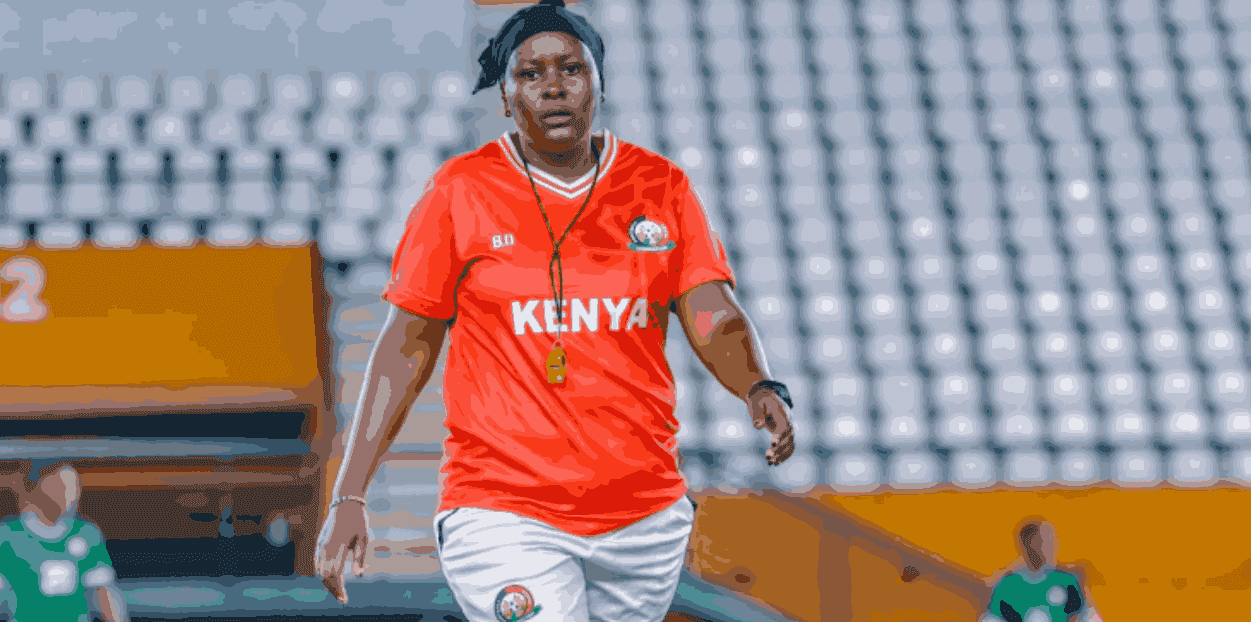
FIFA's New Mandate
FIFA has implemented groundbreaking new regulations requiring all teams participating in its women's football tournaments to include at least two female staff members on the technical bench. At least one of these female staff members must hold a head coach or assistant coach position. This mandate represents a significant step toward improving gender representation in coaching positions within the sport.
“Every team in Fifa's women's football tournaments must include at least one female head coach or assistant coach following the introduction of new regulations. The requirements will come into effect during the under-17s and under-20s Women's World Cup and Women's Champions Cup competitions this year.”
The decision was formally approved during the FIFA Council meeting on Thursday. This approval came as part of the organization's long-term strategy for female representation in coaching roles.
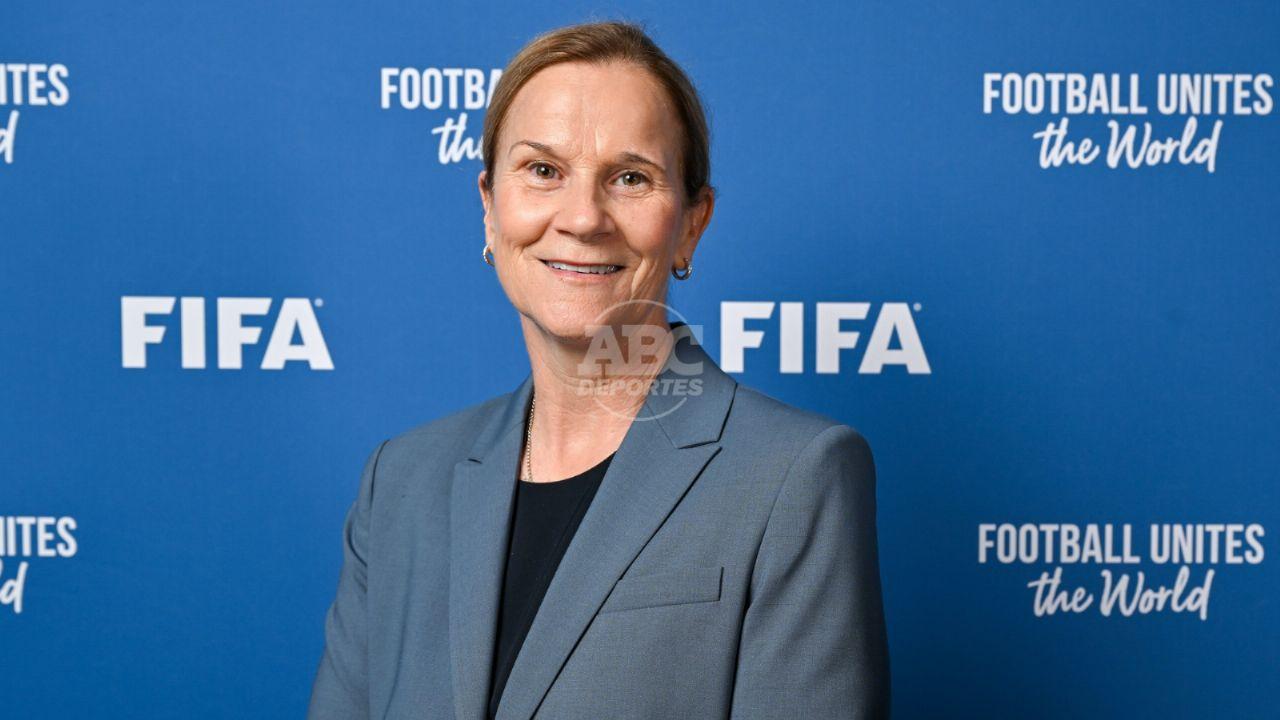
The new ruling underscores FIFA's commitment to addressing the persistent gender imbalance in technical positions. These changes come while the women's game continues to grow in popularity and investment globally.
Addressing Gender Imbalance
The new regulations come in response to the persistent underrepresentation of women in coaching positions. This occurs despite the rapid growth and increasing visibility of women's football globally. FIFA Chief Football Officer Jill Ellis emphasized the urgency of addressing this imbalance.
Ellis stated that "there are simply not enough women in coaching today." Current statistics reveal the extent of the gender gap in coaching. Only 12 of the 32 head coaches at the 2023 Women's World Cup were female.

Broader surveys show women represent just five percent of coaches across member associations. This disparity exists despite the sport's sustained growth and investment worldwide.
Implementation Timeline
The implementation timeline begins with FIFA Under-17 and Under-20 Women's World Cups in 2026. The first application is set for the U-20 Women's World Cup in Poland this September. The mandate will extend comprehensively to all FIFA women's competitions.
“With its implementation starting in 2026, FIFA seeks to set a precedent in the structure of women's football, in a move toward a more inclusive and professional environment within the sport at the global level.”
This includes national team tournaments and club competitions. Beyond coaching requirements, teams must include at least two female staff members on the bench total. These two can include the mandated head coach or assistant coach.
Teams must also have at least one woman on their medical staff. This comprehensive approach ensures representation across multiple technical roles.
Leading Coaches and Support
Several high-profile female coaches operate at the top level of international women's football. These coaches serve as role models and inspirations for the next generation. Among the most prominent is Sarina Wiegman, who guided England to back-to-back European Championships.
Wiegman has won the FIFA Best Women's Coach award four times. Emma Hayes leads the United States Women's National Team. Other notable coaches include Gemma Grainger (Norway), Casey Stoney (Canada), and Carla Ward (Republic of Ireland).
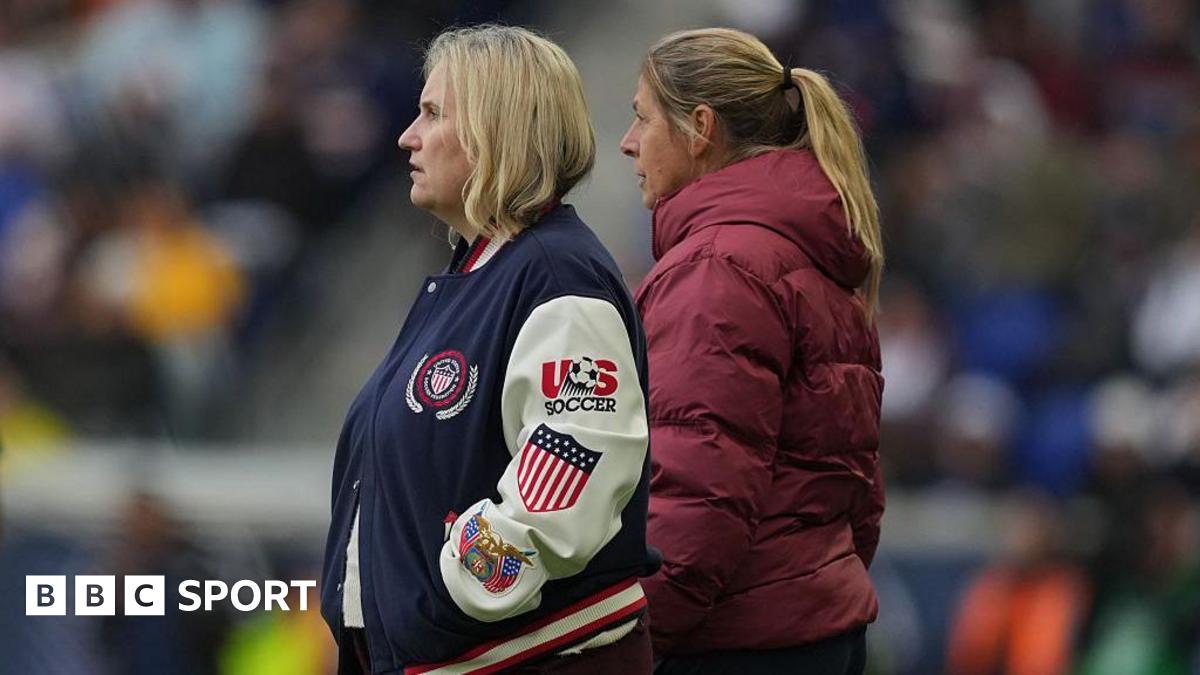
To support development of more women in coaching, FIFA has established various initiatives. These include scholarship programs in the Women's Super League for UEFA licenses. FIFA's coach scholarship initiative has supported 795 female coaches across 73 member associations.
Strategic Vision
The new regulations represent FIFA's broader strategy for women's football development. This strategy aims to match the sport's rapid growth with female representation in technical roles. The structural change is designed to force gender balance in coaching at elite levels.
“This structural change intends to force the issue, creating distinct pathways for women to enter the profession at the elite level. It complements grassroots work, such as recent campaigns to boost girls' football participation in schools, ensuring that talent has a tangible route into coaching after their playing days are done.”
This creates distinct pathways for women to enter the coaching profession. The initiative complements grassroots work like campaigns for girls' football participation. Financial barriers have historically hindered women's progress in coaching.

Licensing costs are noted as a major barrier by technical director Twila Kilgore. FIFA will assist teams unable to meet criteria for financial reasons. The rule doesn't require removing male coaches but adds female representation.