
Florida Democrats flip two seats in Republican-leaning districts, warn DeSantis over redistricting plans
Key Takeaways
- Democrats won two Florida state House special elections in Republican-leaning districts.
- The results worry Republicans about redistricting ahead of the next redistricting battle.
- Special elections in Florida are viewed as precursors to future redistricting battles.
Democratic Victories
Florida Democrats achieved significant victories in special elections, flipping two legislative seats in traditionally Republican-leaning districts that sent a clear warning to Governor Ron DeSantis and Republican lawmakers.
“Florida Democrats flip two seats: Is it a warning for DeSantis, GOP”
In Palm Beach County, small business owner Emily Gregory defeated Trump-endorsed Republican Jon Maples by just over 2%, winning in a district that includes President Trump's Mar-a-Lago residence.

Across the state, Brian Nathan defeated longtime Republican House member Josie Tomkow by just over 400 votes in a Hillsborough County state Senate contest.
These victories represent a dramatic shift from the previous Republican dominance, with Gregory's GOP predecessor winning by almost 20% in November 2024 when Trump swept Florida.
The Democratic Congressional Campaign Committee cast these results as part of a broader national trend showing voters rejecting Republican leadership.
Democratic Analysis
The Democratic victories are being interpreted by party leaders as evidence of a national shift in voter sentiment against Trump-era Republican policies.
Florida Democratic Party Chair Nikki Fried emphasized the symbolic importance of winning in Trump's backyard, declaring "If Mar-a-Lago is vulnerable, imagine what's possible this November."

Heather Williams, president of the Democratic Legislative Campaign Committee, highlighted the broader context, noting this was the 29th seat Democrats have flipped from Republican control since Trump took office.
Former Congressman David Jolly, a leading Democratic gubernatorial candidate, framed the results as a voter demand for change, stating "Florida's voters are asking Democrats to dig our state out of an economic crisis and to return our state to basic decency."
The party sees these wins as momentum-building for the November midterms, despite maintaining that Republicans still hold supermajorities in both legislative chambers.
Republican Concerns
Republican officials are expressing growing private anxiety about the implications of these Democratic victories, particularly in relation to DeSantis's aggressive redistricting plans.
GOP Rep. Greg Steube issued a stark warning that "if they get too aggressive ... you could put incumbent members at risk," explaining that seats previously won by Republicans by eight or nine points could instead have only a four- or five-point GOP advantage.
One anonymous Florida House Republican candidly admitted, "We keep saying these are kind of one-off things that haven't gone our way... But I'm not seeing any of the one-offs that are going our way."
The concern extends to how redistricting might affect specific districts, with some worried that changes could significantly weaken traditionally safe Republican seats.
Republicans concede redistricting could lead to changes to the Miami-area district represented by GOP Rep. Mario Diaz-Balart.
Political Response
The Democratic victories have prompted both public warnings and strategic positioning for the November midterms.
House Minority Leader Hakeem Jeffries issued a direct challenge to DeSantis, declaring "We will crush House Republicans in November if DeSantis tries to gerrymander the Florida congressional map."
Veteran Republican Rep. Daniel Webster expressed philosophical opposition to the redistricting efforts, calling it a "slippery slope," while Jacksonville-area Rep. John Rutherford acknowledged the political reality.
Rutherford noted "south Florida would likely bear the brunt of any changes" but suggested Republicans should proceed if they believe they can gain seats.
The timing of the redistricting debate is creating uncertainty for incumbents, with Steube questioning why lawmakers would campaign door-to-door when they don't know if those doors will remain in their districts after the redraw.
Republican Strategy
Despite public dismissals of the Democratic wins as anomalies, Republican leaders are privately acknowledging the need to learn from the special election results.
“Florida Democrats flip two seats: Is it a warning for DeSantis, GOP”
House Majority Leader Steve Scalise suggested there are lessons to be learned, stating "Surely you look at those and see, are there things we can learn and improve upon when the big election comes?"
The Republican Congressional Campaign Committee's leadership adopted a more deferential approach, with NRCC Chair Richard Hudson saying redistricting "makes sense to do" but expressing greater concern about turnout and other factors.
Meanwhile, Deputy Chair Brian Jack deferred to the state Legislature on redistricting decisions, stating "It's up to them, not up to us."
This public-private divide reflects the tension between Republican confidence in their institutional advantages and the growing unease about potential voter backlash if they appear too aggressive in manipulating district boundaries.
More on USA

U.S. Prepares to Deploy 1,000 82nd Airborne to West Asia to Seize Airfields
17 sources compared

Democrat Emily Gregory flips Trump-carried Palm Beach House seat, defeating Trump-backed Jon Maples
12 sources compared

President Donald Trump Threatens National Guard Deployment to U.S. Airports
14 sources compared
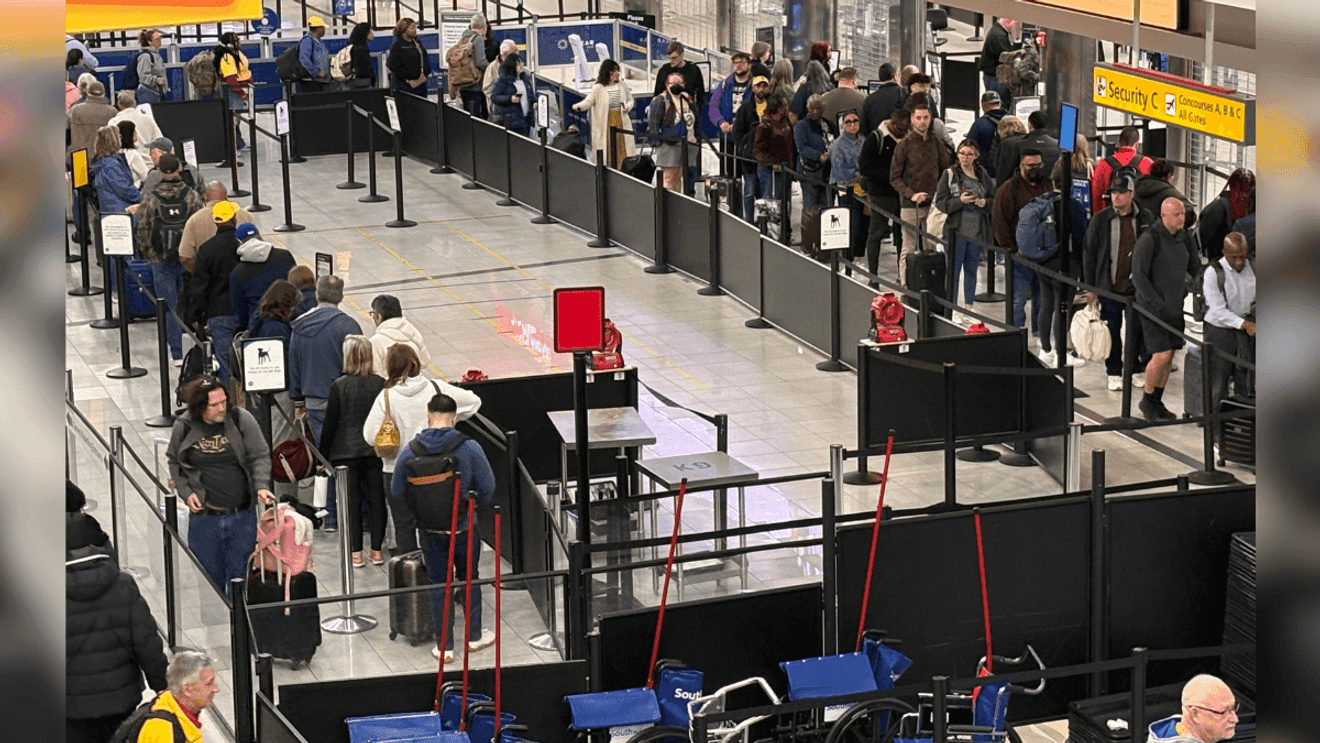
GOP excludes ICE enforcement in DHS funding plan, leaving TSA workers unpaid and airports strained
17 sources compared