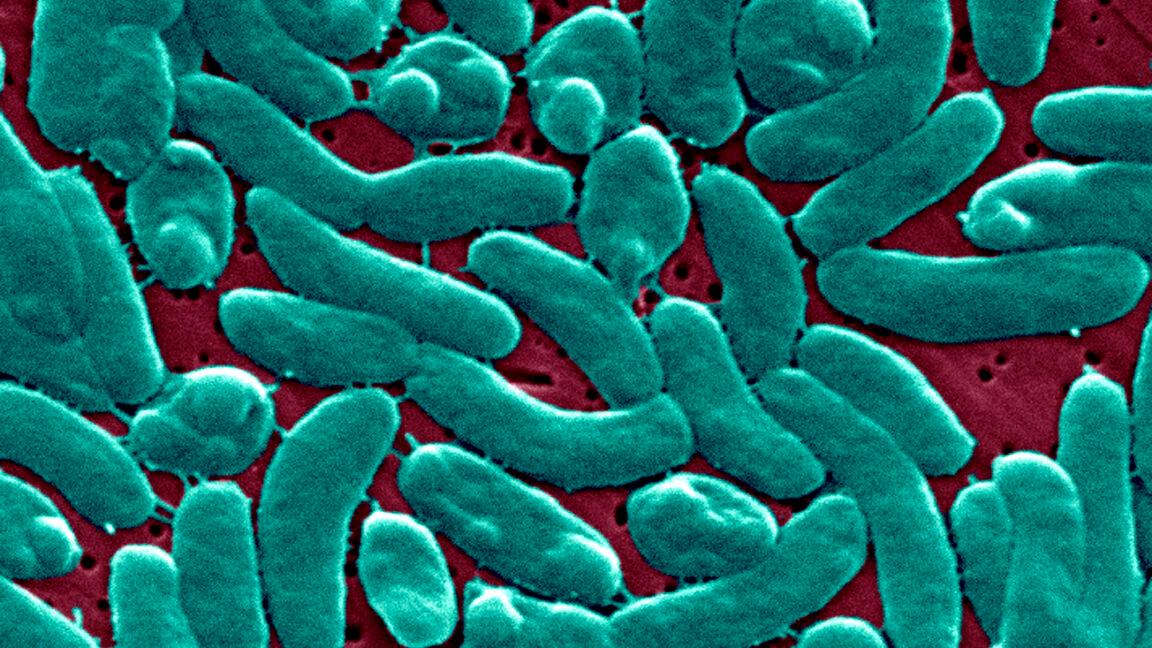
Florida Man’s Vibrio Vulnificus Infection Devours Arm And Leg In Three Days
Key Takeaways
- Florida man developed a rapidly progressing necrotizing infection.
- About 25% of his skin was removed during three surgical procedures.
- He was hospitalized in Florida for treatment.
Florida case timeline
A 74-year-old man in Florida went to an emergency department after rapidly rotting limbs following a jump into the waters off Florida’s Gulf Coast, according to a case report in the New England Journal of Medicine described by Ars Technica.
“A 74-year-old man went to an emergency department in Florida with rapidly rotting limbs after jumping into the waters off Florida’s Gulf Coast”
The report says that just three days earlier he was “otherwise healthy and active on the coast,” but after he jumped into the water he “got a cut on his right leg.”
Ars Technica reports that it quickly became painful and bruised, and that “two days later, the skin on his right arm also started changing color.”
By day three, when he arrived at the hospital, the man was in dire shape, with the lower half of his leg “darkly colored, indicating bleeding under his skin.”
Doctors noted a “crackling sound, suggesting gases bubbling out of his dying flesh,” and “some of the outer layers of skin were peeling off.”
The case report described his arm as “red, discolored, and swollen,” and noted that “a large blood blister (a hemorrhagic bulla) had formed.”
While he was rushed into surgery to start cutting out dead and infected tissue, doctors also began tests to find the cause of the infection, and blood and tissue samples turned up positive for Vibrio vulnificus.
How the bacteria spreads
Ars Technica explains that Vibrio vulnificus is a flesh-eating bacterium found in warm, brackish waters, and it can infect people “two ways: through wounds exposed to contaminated water—as in the man’s case—or, more commonly, through contaminated seafood.”
The article says the bacteria can take up residence in the stomachs of shellfish, “particularly oysters,” as well as the intestines of fish, and that “either route can be gruesome.”

It describes what happens after ingestion: “the bacteria can release enzymes that neutralize stomach acids, then from there storm the intestines and can enter the blood.”
In a separate report focused on a different flesh-eating infection, CNN en Español describes David Ireland as being diagnosed with fascitis necrotizante causada por “Streptococcus del grupo A,” and says the condition involves “la muerte del tejido debajo de la piel que rodea los músculos, los nervios, la grasa y los vasos sanguíneos.”
CNN en Español adds that “Alrededor de 11.000 a 13.000 casos de enfermedad estreptocócica invasiva del grupo A ocurren cada año en Estados Unidos” and “hasta 1.600 personas mueren” from some form of that invasive disease, citing the CDC.
It also states that it is not clear how Ireland contracted the infection, but that “Por lo general, estas bacterias ingresan al cuerpo a través de una fractura en la piel,” listing “cortes y raspones, quemaduras, picaduras de insectos, heridas punzantes e incluso heridas quirúrgicas.”
CNN en Español further notes that some people can contract necrotizing fasciitis after “una lesión que no rompe la piel (traumatismo cerrado),” and that the disease can spread quickly enough that “no es inusual que los pacientes requieran múltiples cirugías.”
Surgery, symptoms, and survival
Both reports emphasize how quickly necrotizing infections can progress and how treatment often requires surgery.
CNN en Español says David Ireland “se sometió a tres cirugías” to remove “el 25% de la piel del cuerpo” while fighting a necrotizing fasciitis infection, and it describes him as being in “estado crítico” in a Florida hospital, according to a GoFundMe created by his brother.
It also states that “Los antibióticos y la cirugía suelen ser las primeras líneas de defensa en casos de fascitis necrotizante,” and that because the disease can spread rapidly “no es inusual que los pacientes requieran múltiples cirugías.”
CNN en Español lays out early symptoms as “un área de piel roja o hinchada que se extiende rápidamente, dolor intenso y fiebre,” and later symptoms including “úlceras, ampollas o manchas negras en la piel, cambios en el color de la piel, pus, mareos, fatiga y diarrea o náuseas.”
It reports that necrotizing fasciitis can lead to “sepsis, shock e insuficiencia orgánica,” and that “incluso con tratamiento, hasta una de cada tres personas enfermas por la infección muere a causa de la infección.”
In the Ars Technica account, the man’s presentation included “darkly colored” tissue, “crackling sound,” and skin peeling, and he was “rushed into surgery to start cutting out the dead and infected tissue.”
Linfo.re, meanwhile, frames a similar Florida story around David Ireland, saying he was admitted with “flu-like symptoms” and that “his condition rapidly deteriorated,” with doctors diagnosing necrotizing fasciitis.
What the family says and what’s known
CNN en Español reports that David Ireland’s brother, Daniel Ireland, wrote that “su presión sanguínea y los niveles de ácido de su hígado están comenzando a estabilizarse, mostrando señales esperanzadoras de recuperación,” while also stating that “Ireland todavía estaba en una “situación que amenazaba la vida”,” according to Ireland’s wife who also posted on GoFundMe.
The same CNN en Español piece says the fundraiser is intended to cover “las facturas del hospital de David Ireland y los gastos de subsistencia de su esposa, Jody Ireland, y sus dos hijas pequeñas.”
It also says that doctors “también examinarán a Ireland en busca de infección adicional y, si es necesario, le quitarán más piel.”
Linfo.re similarly describes that David Ireland was admitted to a Florida hospital with symptoms resembling the flu and that his condition rapidly deteriorated, with doctors diagnosing necrotizing fasciitis.
Ars Technica, in contrast, focuses on a different patient—an unnamed 74-year-old man—whose blood and tissue samples turned up positive for Vibrio vulnificus, and it describes the infection route as exposure through a cut in water off Florida’s Gulf Coast.
CNN en Español does not connect Ireland to Vibrio vulnificus; it instead says he was diagnosed with fascitis necrotizante causada por “Streptococcus del grupo A.”
CNN en Español also provides prevention guidance attributed to the CDC and Florida’s health department, stating that “El buen cuidado de las heridas es la mejor manera de prevenir cualquier infección bacteriana de la piel” and that people should clean even minor cuts and lesions that break the skin with “agua y jabón.”
Numbers, risk, and prevention
The coverage also situates these cases within broader public-health risk figures and clinical expectations.
“(CNN) – Un hombre de Florida se sometió a tres cirugías para quitarse el 25% de la piel del cuerpo mientras lucha contra una infección de bacterias comecarne”
CNN en Español states that “Alrededor de 11.000 a 13.000 casos de enfermedad estreptocócica invasiva del grupo A ocurren cada año en Estados Unidos” and that “hasta 1.600 personas mueren por alguna forma de esta enfermedad invasiva,” citing the CDC.
It also says that necrotizing fasciitis can cause “sepsis, shock e insuficiencia orgánica,” and that “incluso con tratamiento, hasta una de cada tres personas enfermas por la infección muere a causa de la infección.”
Ars Technica, while centered on Vibrio vulnificus, emphasizes that the bacterium can infect through wounds exposed to contaminated water or through contaminated seafood, and it notes that “V. vulnificus can infect people two ways.”
Linfo.re adds that it is “quite difficult to detect the flesh-eating bacteria at an early stage” because “pain and fever are its only symptoms,” and it describes the patient’s course as three operations within a week.
CNN en Español provides a symptom progression framework, saying early signs include “un área de piel roja o hinchada que se extiende rápidamente, dolor intenso y fiebre,” and later signs include “ampollas o manchas negras en la piel” and “cambios en el color de la piel.”
For prevention, CNN en Español says “El buen cuidado de las heridas es la mejor manera de prevenir cualquier infección bacteriana de la piel,” and it instructs that people should “limpia y cubre heridas abiertas o supurantes con vendajes secos hasta que sanen.”
More on Technology and Science

U.S. Export-Control Directive Forces Anthropic To Disable Claude Fable 5 And Mythos 5
12 sources compared

Scientists Map Global Underground Fungal Network Stretching 110 Quadrillion Kilometres Across Earth
13 sources compared

SpaceX IPO Debuts On US Markets, Making Elon Musk The World’s First Trillionaire
30 sources compared

Google Sues China-Based Outsider Enterprise for Gemini-Driven Phishing Scams in New York
11 sources compared