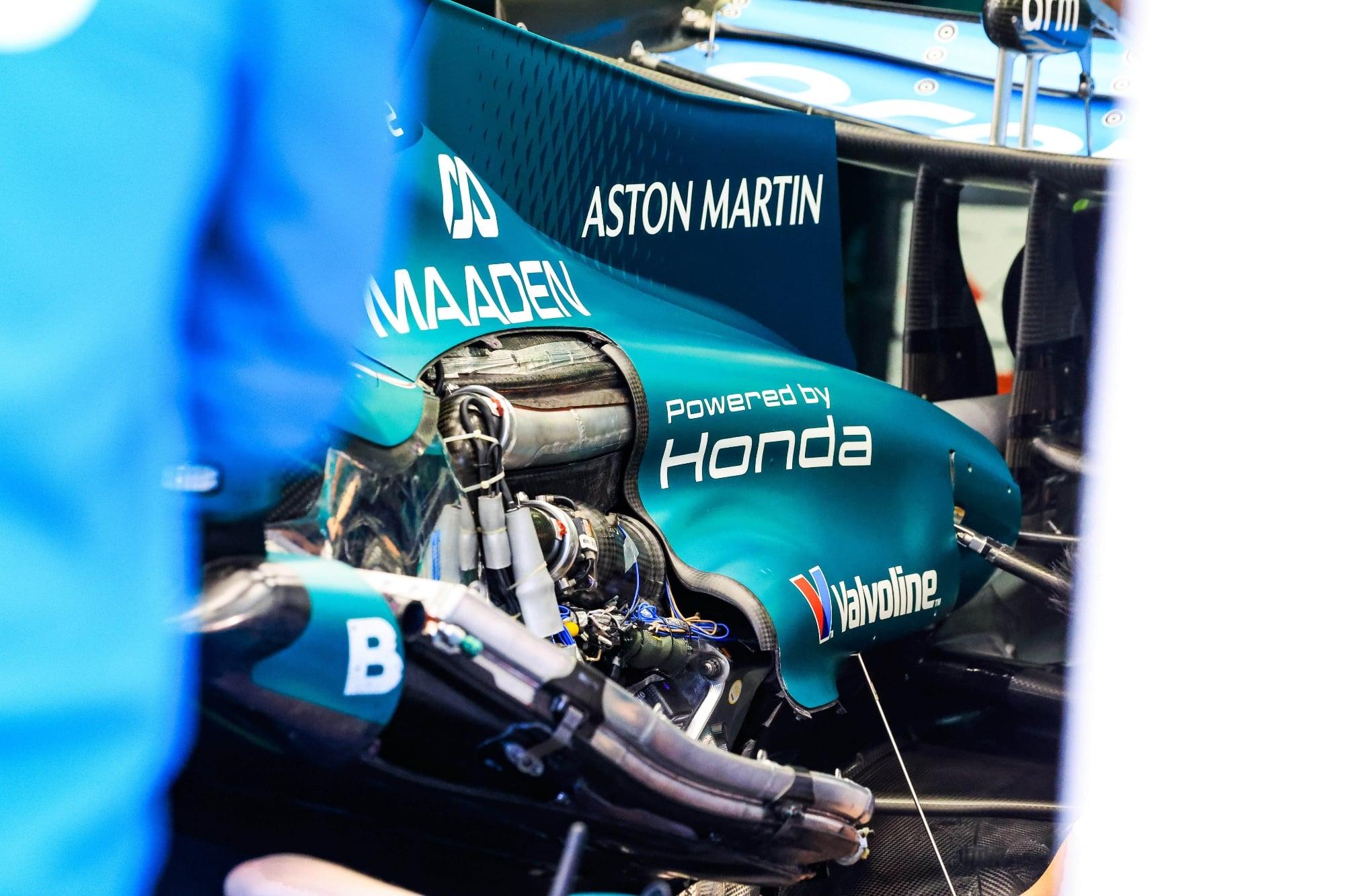
Formula 1 Changes 2026 Engine Rules After Drivers Complain, Including Max Verstappen
Key Takeaways
- FIA implemented changes to address concerns about the 2026 engine regulations.
- Compression ratio concerns sparked by alleged tricks; teams sought clarifications amid controversy.
- 2026 engine regulation overhaul dominates coverage, described as a revolution in F1 engines.
Engine rules reshape F1
Formula 1 has made a series of rule changes to address concerns about the new engine regulations introduced for this season, with the BBC saying the “amount of energy management required with the new power-units” has a “near 50-50 split between internal combustion and electrical power.”
“2026 is not here yet, but the next Formula 1 season is already riddled with controversy”
The BBC reports that drivers complained their skills were being diminished, and it says four-time world champion Max Verstappen “has gone as far as to say that he is considering his future in F1 as a result of his dissatisfaction with the new cars.”
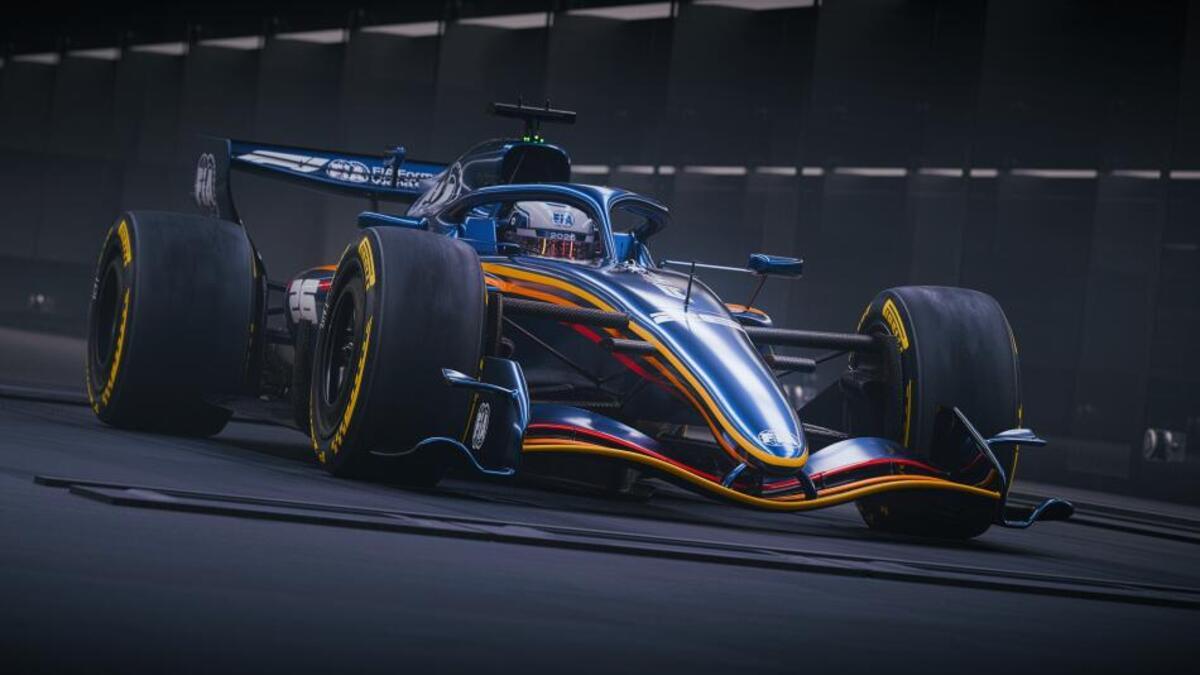
The changes, the BBC says, are “aimed at allowing drivers to push to the limit in qualifying and reduce the risk of large speed differentials in races,” and it links that concern to a 470bhp difference when one driver deploys full power and another has “no electrical charge.”
The BBC adds that the modifications are “split into a number of different areas,” with “most will be introduced at the next race, the Miami Grand Prix on 1-3 May.”
It also states that the changes were approved at a meeting of the F1 Commission of team bosses, F1 and governing body the FIA on Monday, and that they “must be rubber-stamped by a meeting of F1's legislative body, the FIA world council.”
In its description of the qualifying changes, the BBC quotes the FIA’s statement that they are “aimed at reducing excessive harvesting and encouraging more consistent flat-out driving.”
Qualifying and race limits
The BBC details how the qualifying changes target energy use and timing, saying the total amount of permitted recharge on a lap has been reduced from 8MJ to 7MJ.
It adds that the maximum amount of power recovered when the driver is on full throttle but not deploying the battery—“super-clipping”—has been increased to 350kw, from 250kw.
The FIA, as quoted by the BBC, aims for “the maximum time spent super-clipping on a qualifying lap” to be “in the region of two to four seconds.”
The BBC also says F1 has increased from eight to 12 the number of circuits where a lower energy limit even than 7MJ may be applied, describing these as tracks where energy recovery is “the most difficult.”
For races, the BBC says the in-race changes are mainly targeted at ensuring sudden speed differentials between cars in different deployment states do not become dangerous.
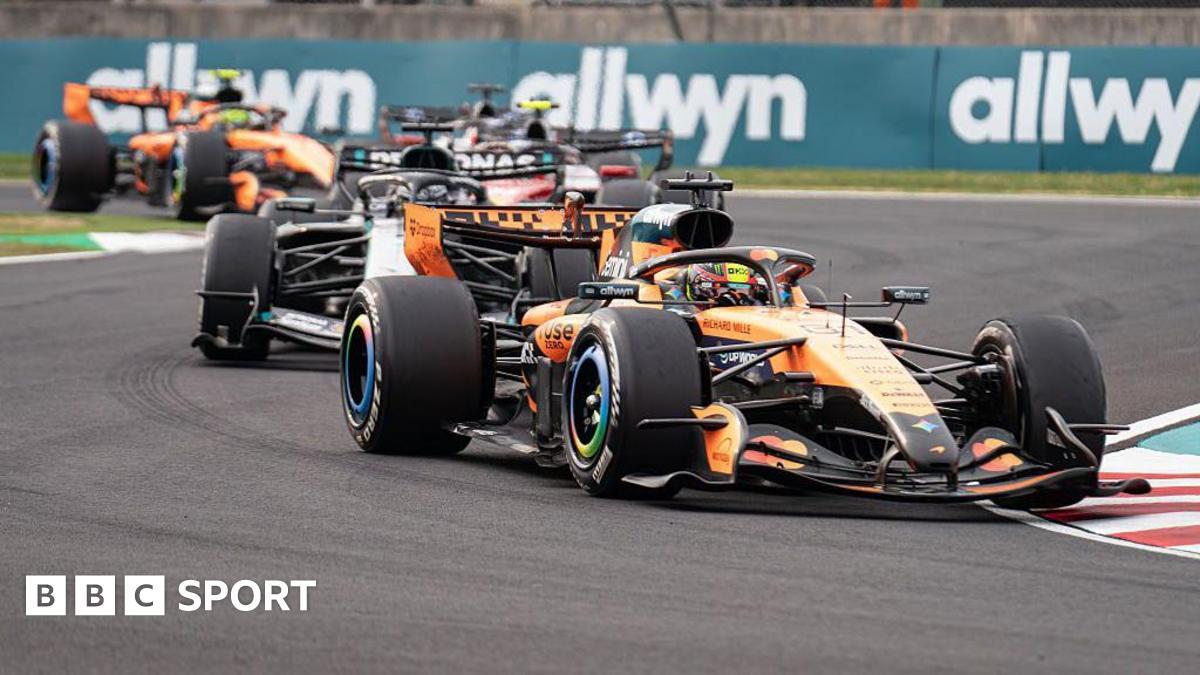
It frames the issue through a crash involving Haas driver Oliver Bearman in the Japanese Grand Prix, saying the Briton avoided the Alpine of Franco Colapinto after the Argentine “drifted off line to discourage a passing attempt.”
The BBC then describes how “The maximum power of the ‘boost’ mode will be capped at 150kw,” and it explains that cars can deploy the full 350kw (470bhp) of electrical power in “acceleration zones out of corners,” but will be limited to 250kw elsewhere.
The BBC quotes an FIA statement that “These measures are designed to reduce excessive closing speeds while maintaining overtaking opportunities and overall performance characteristics.”
Wet rules and visibility
Beyond energy management, the BBC reports that concerns about how the cars would behave in rain led to additional rules following feedback from drivers.
“Secondo quanto riportato dalla testata tedesca Motorsport Magazin, Ferrari, Audi e Honda avrebbero chiesto dei chiarimenti alla Fia: Mercedes e Red Bull infatti avrebbero trovato un 'trucco' per aumentare il rapporto di compressione del motore e di conseguenza la potenza delle monoposto in pista”
It says new rules “have allowed for an increase in temperature of tyre blankets” “to improve initial grip and tyre performance in wet conditions.”
The BBC also states that “Maximum levels of electrical deployment will be reduced, to limit torque and improve car control,” while noting that “The exact limit has not yet been revealed.”
It further says there will be “a ‘simplification’ of rear light systems to allow ‘clearer and more consistent visual cues to improve visibility and reaction time for following drivers in poor conditions’.”
In parallel, the Italian-language reporting in Sky Sport focuses on 2026 engine regulation suspicions, but it also quotes the FIA’s technical framework for compression ratio measurement, including that “La procedura per misurare questo valore sarà eseguita a temperatura ambiente.”
Sky Sport says the FIA received requests for clarifications from teams including Ferrari, Honda, and Audi, and it describes a parameter moving “da 18:1 a 16:1.”
While the BBC is dealing with immediate rule changes for the current season’s engine regulations, the other reports show that teams are also contesting how future technical limits are measured and enforced.
The BBC’s wet-condition provisions therefore sit inside a broader pattern of F1 rulemaking that repeatedly addresses how performance limits translate into real-world track behavior.
2026 compression ratio disputes
Separate from the current-season engine changes described by the BBC, Sky Sport reports that Motorsport Magazin said “Ferrari, Audi e Honda” asked the FIA for clarifications over “Mercedes e Red Bull” and a “trucco” to increase engine compression ratio and power.
Sky Sport says the FIA “avrebbe ricevuto una richiesta di chiarimenti da alcuni team (Ferrari, Honda, Audi)” regarding the compression ratio, described as one of the parameters that “dalla prossima stagione passerà da 18:1 a 16:1.”
It quotes the FIA technical regulation point C5.4.3, stating: “Nessun cilindro del motore può avere un rapporto di compressione geometrico superiore a 16.1.”
Sky Sport also includes the regulation’s measurement method: “La procedura per misurare questo valore sarà eseguita a temperatura ambiente,” and it adds that the procedure “deve essere approvata dal Dipartimento Tecnico della FIA e inclusa nel dossier di omologazione del produttore di PU.”
The report says Ferrari, Honda, and Audi believe Mercedes and Red Bull “avrebbero trovato il modo di aggirare quanto previsto dal regolamento tecnico,” using “materiali che si espanderebbero al salire delle temperature, aumentando così il rapporto di compressione e di conseguenza la potenza della vettura in pista.”
Sky Sport says the case could have been exposed by “un ex dipendente di uno dei due team passato ora in un'altra scuderia.”
It then quotes the FIA response: “Il regolamento definisce chiaramente il rapporto di compressione massimo e il metodo usato per misurarlo,” and it adds that “La Fia continuerà a esaminare con costanza queste questioni.”
Fuel meters and compliance controls
Automoto.it adds another layer to the 2026 technical controversies by focusing on the fuel flow meter and describing how the FIA introduced changes to curb a potential gray zone.
“2026 is not here yet, but the next Formula 1 season is already riddled with controversy”
It says that until “the last race of 2025 in Abu Dhabi,” the limit was set at a maximum mass flow of “100 kg/h,” but from “the opening Australian Grand Prix” the reference becomes an “energy-flow limit for the fuel equal to 3000 MJ/h.”
Automoto.it reports that this change led to a new system for technical conformity control, replacing the “previous two-flow-meter system—one for the teams and one for the FIA” with a single standard unit provided by “Allengra.”
It specifies that the unit is “an ultrasonic flow meter” installed on “all 22 cars on the grid,” with data shared with both teams and the FIA.
The report says the FIA made “on-the-fly modifications” because it identified a possible gray zone, centered on the possibility that teams altered the temperature of the fuel flow meter to affect “the composition of the measured fuel and to the accuracy of the readings produced by the device.”
Automoto.it states that in October the FIA added a clause specifying that cars must be equipped with a fuel flow meter that “must not be heated or intentionally cooled,” and it says that during a meeting of the World Motor Sport Council the wording was strengthened: “Any device, system or procedure whose purpose is to modify the temperature of the fuel flow meter is prohibited.”
Sport Auto then reports that the FIA communicated its intentions on the compression ratio controversy, saying a meeting took place “this Wednesday, February 18, at the Bahrain International Circuit,” and it describes a proposal that from “August 1, 2026” compliance must be demonstrated at an operating temperature of “130°C.”
More on Sports

Baroness Karren Brady Steps Down As West Ham United Vice-Chair After 16 Years
10 sources compared

Billy Donovan Steps Down As Chicago Bulls Head Coach After Six Seasons
10 sources compared

Midtjylland Midfielder Alamara Djabi, 19, Seriously Injured After Stabbing in Herning
13 sources compared

Jordan Martinook Lifts Carolina Hurricanes Past Ottawa Senators With 2OT Winner In Game 2
10 sources compared