
French naval officer Arthur reveals Charles de Gaulle's location via Strava
Key Takeaways
- French Navy officer Arthur logged a 35-minute Strava run on Charles de Gaulle.
- The Strava post mapped the carrier's exact position in the eastern Mediterranean near Cyprus.
- French officials say corrective actions are being implemented.
Location Exposure Incident
On March 13, 2026, a French naval officer identified only as Arthur inadvertently exposed the precise location of the Charles de Gaulle aircraft carrier through careless use of the Strava fitness tracking app.
“- Published A French officer has reportedly revealed the location of an aircraft carrier deployed towards the Middle East after publicly registering a run on sports app Strava”
Arthur completed a 35-minute, 7-kilometer run around the carrier's deck while wearing a connected smartwatch, which automatically synced his activity via Bluetooth and published it to Strava's cloud servers.
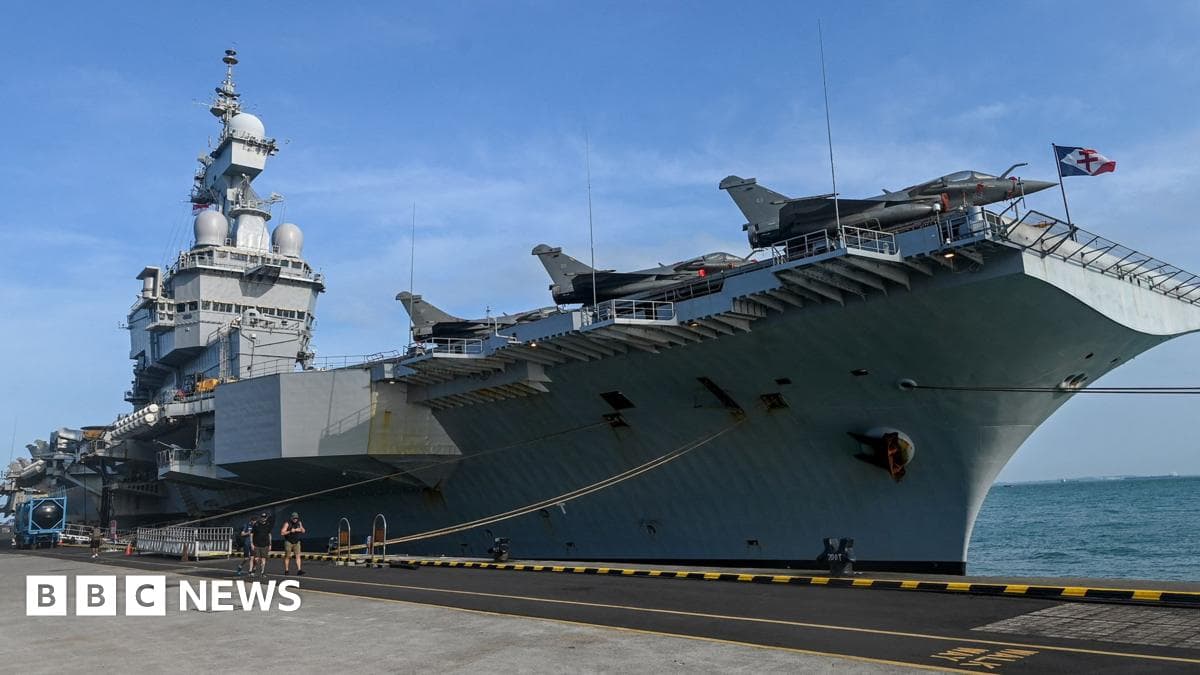
Because his profile was set to public access, the GPS coordinates became visible to anyone accessing the app, effectively broadcasting the nuclear-powered warship's real-time position in the Mediterranean Sea northwest of Cyprus, approximately 100 kilometers from the Turkish coast.
Le Monde verified the carrier's location using satellite imagery captured just over an hour later, confirming the distinctive outline of the vessel against the open water.
The incident represents a serious security breach during a period of heightened military tensions in the region.
Geopolitical Context
The Charles de Gaulle's deployment to the Mediterranean occurred within a volatile geopolitical context, following President Emmanuel Macron's March 3 announcement that France would send its carrier strike group to the region amid the Iran war.
The deployment included the aircraft carrier accompanied by at least three frigates and a replenishment ship, positioned to protect French naval and air bases against Iranian attacks in what Paris described as a 'strictly defensive posture.'
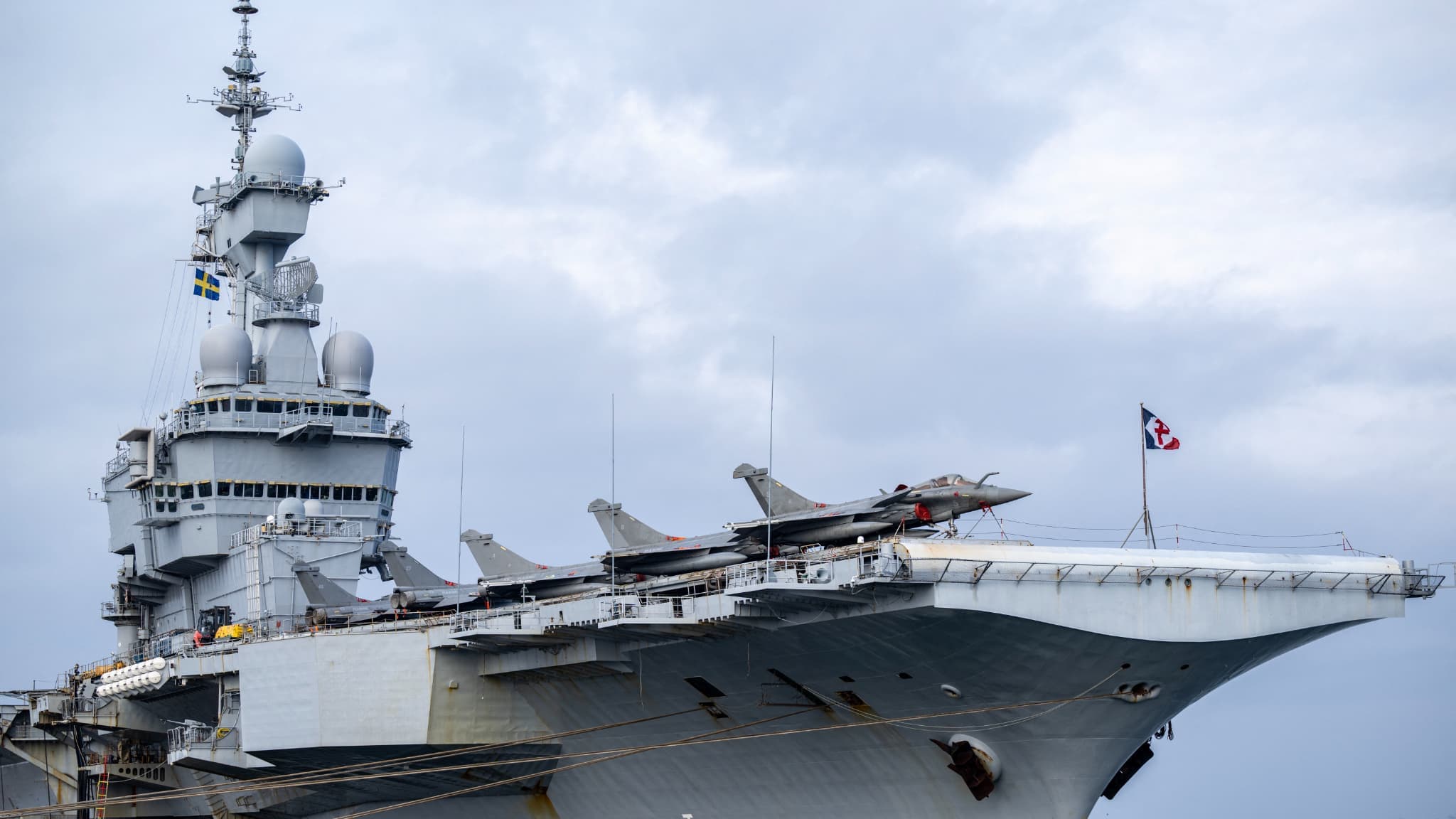
This military posture became particularly urgent after Iranian strikes on French bases in Iraq had killed one soldier and wounded six others in recent weeks.
While the carrier's presence in the Mediterranean was not classified information, its precise, real-time positioning remained highly sensitive operational data that French military officials would prefer to keep confidential during active hostilities and potential retaliatory strikes.
Military Response
The security breach triggered immediate military acknowledgment and disciplinary action from French authorities.
“A French sailor has exposed the Charles de Gaulle aircraft carrier’s location in near real time by publicly sharing a fitness activity via Strava”
The French Armed Forces General Staff confirmed that the sailor's actions 'did not comply with the current instructions' and that 'appropriate measures will be taken by the command.'
Military officials emphasized that digital hygiene is a prerequisite before any deployment and that various levels of connected device restrictions are implemented throughout the French navy to prevent information disclosure about vessels.
Defense consultant Jérôme Clech attempted to reassure the public, noting that the aircraft carrier's constant movement at 50 km/h makes it 'very difficult to locate' and creating a 'vulnerable, extremely narrow zone that makes it almost impossible, or at least unlikely, to strike a carrier simply based on its coordinates.'
However, cybersecurity expert Romain Marcoux warned that 'all it takes is one person who has poorly logged out of his app, and we'll find him very easily,' highlighting the significant risks posed by such inadvertent transparency in modern warfare.
StravaLeaks Pattern
The Charles de Gaulle incident represents the latest manifestation of a recurring security vulnerability that Le Monde has termed 'StravaLeaks' – a pattern of inadvertent military and government location exposures through the fitness app.
Investigations revealed that Arthur's public profile allowed observers to trace the carrier's previous movements, including its position off the Cotentin on February 14 and in the Baltic Sea on February 27, perfectly matching the ship's known operational schedule.
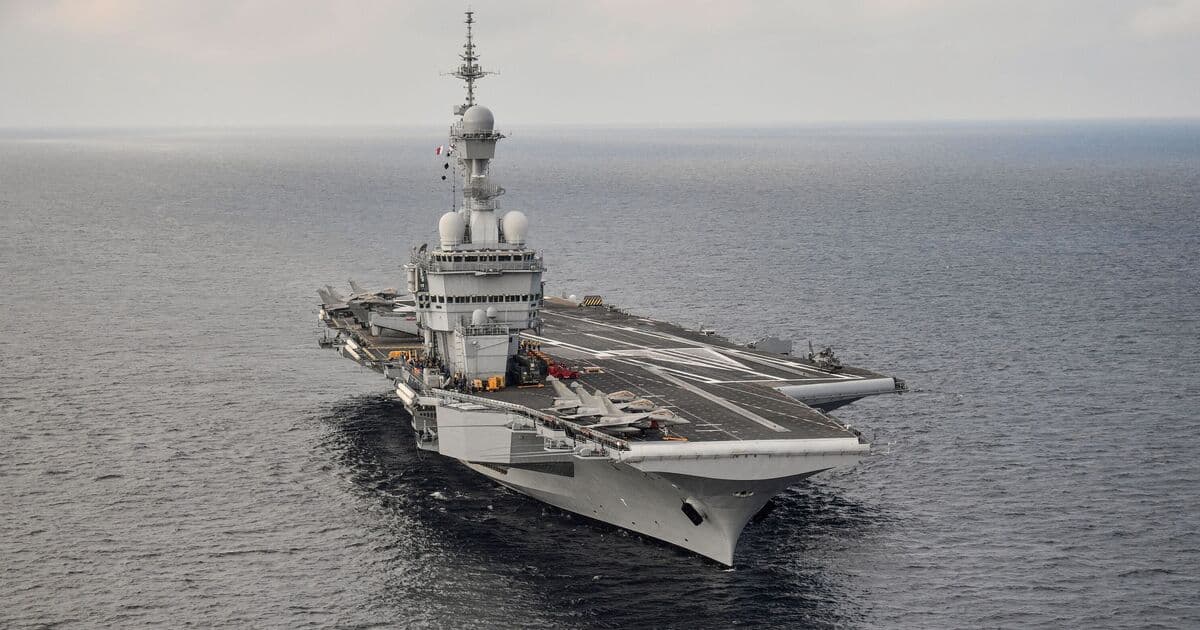
This case follows numerous previous Strava-related security breaches, including a 2025 investigation that exposed French nuclear submarine patrol schedules and a 2024 revelation involving protection teams for presidents Macron, Biden, and Putin who inadvertently revealed sensitive locations through their workout activities.
The pattern extends globally, with Australian researcher Nathan Ruser's 2018 discovery that Strava's heatmap feature revealed military base movements, and 2022 findings showing Israeli military personnel being spied upon via the app.
These incidents demonstrate how fitness apps, designed to track performance, have become unwitting intelligence gathering tools that can aggregate fragments of information into comprehensive operational intelligence.
Technical Vulnerability
The technical mechanics of the data leak highlight the intersection of everyday technology and military security vulnerabilities.
“A French naval officer accidentally exposed the location of France's Charles de Gaulle aircraft carrier by using the Strava fitness app during a morning run”
Three critical elements enabled the breach: the activity included precise GPS coordinates, the profile was publicly accessible, and the activity occurred in a random location out in the open sea where the looping running pattern clearly indicated movement around a large vessel.

The automatic synchronization process – where Arthur's connected watch synced via Bluetooth to his smartphone, then the Strava app automatically published the activity as soon as the device caught a network – created a real-time data pipeline that bypassed manual security checks.
The problem extends beyond Strava to the broader ecosystem of connected devices, as Tribunal Du Net noted: 'At a time when every smartphone is a permanent GPS transmitter, and when social networks are omnipresent, this discipline poses a real threat to military security.'
This incident exemplifies Open Source Intelligence (OSINT) gathering, where sensitive information is collected from public data without any hacking, demonstrating how modern military security must contend with the pervasive nature of personal technology and the unintended intelligence it generates.
More on Gaza Genocide

Protesters heckle Australian PM Albanese at Sydney mosque over Israel stance
18 sources compared

Iran Attacks West Bank, Killing at Least 3 Palestinians
25 sources compared

Iran Fires Missiles at Israel, Killing Three Palestinian Women and a Foreign Worker
23 sources compared

Kuwait State Security Service foils Hezbollah-linked terror plot targeting key facilities, 10 arrested
10 sources compared