
FTI Consulting Warns Geopolitical Volatility Fractures Markets, Demands High-Stakes Resilience Simulations
Key Takeaways
- FTI urges resilience via assess, simulate, and codify for fragmentation-driven risk.
- Resilience means acting faster and smarter to adapt to evolving geopolitics.
- Risk monitoring and supply-chain agility enable rapid rerouting amid volatility.
Resilience in a Fragmented World
Mike Driscoll and Paul Abbate of FTI Consulting argue that organizations operating as if they’re in a connected world will fall behind those prepared to exist in the fragmented globe that’s unfolding.
“Organizations operating as if they’re in a connected world will fall behind those prepared to exist in the fragmented globe that’s unfolding, Mike Driscoll and Paul Abbate of FTI Consulting write”
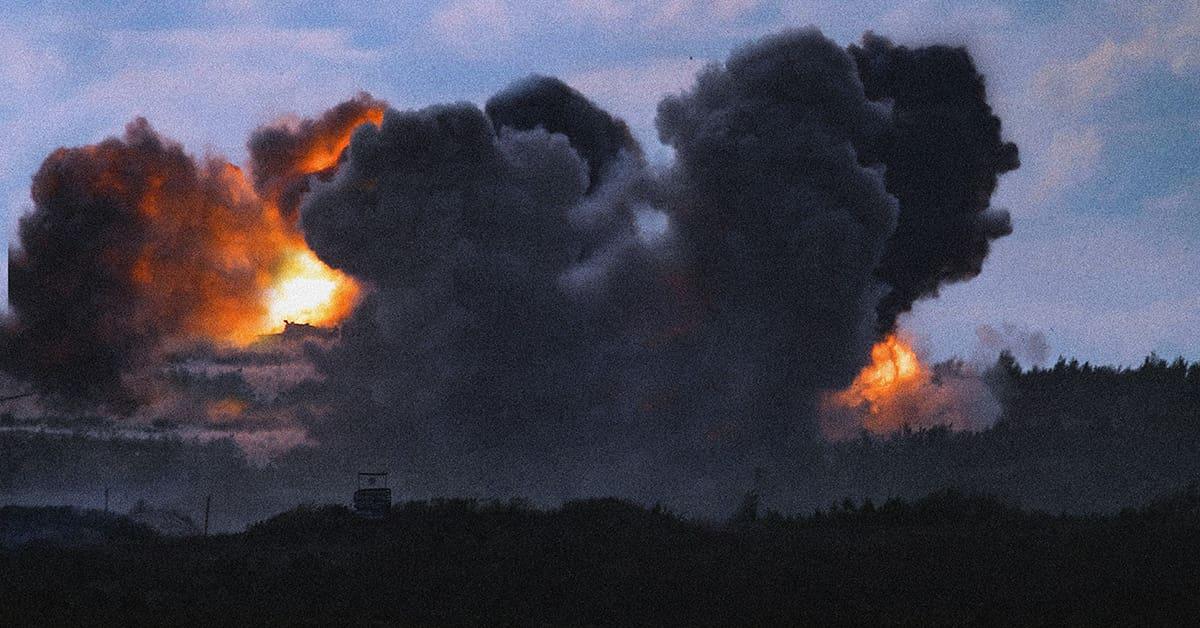
They say geopolitical volatility—including military conflict, evolving sanctions, technology compartmentalization and supply chain coercion—fractures global markets and can silo technology while creating misaligned regulation.
The piece frames resilience as a competitive advantage, stating that organizations capable of withstanding disruptions and maintaining business continuity create a genuine competitive model that is sustainable.
It adds that tabletop exercises are an essential practice for unpredictable events, but they must go beyond basic training into high-stakes, inject-heavy simulations that introduce new information to complicate scenarios.
The authors also describe hardening the framework through redundant information technology networks so operational capabilities can function independently even if headquarters are disrupted due to a geopolitical incident.
AI and Faster Supply-Chain Decisions
Supply Chain Brain defines supply chain resilience as diversifying suppliers, actively monitoring risk, and being prepared to reroute trade patterns as conditions change.
It says enterprises must prioritize partner network management and integrate AI because conditions informing a shipping decision can shift before goods even leave port.

The article argues that AI-assisted supply chain strategy should start with better visibility into what is actually happening across the network, since the information needed for strategic sourcing decisions can be fragmented across systems.
It describes anomaly detection in networks with thousands of trading partners and millions of transactions, saying a supplier going quiet for six hours may not raise concern through manual review but an AI system can flag that deviation immediately.
The piece also describes a more agentic model, where systems can detect disruptions, gather relevant context, and present a human decision-maker with the issue and possible courses of action.
Training, Protocols, and Operational Continuity
The FTI Consulting piece says contingency plans are a necessity to avoid overdependence that can extend unexpected disruptions in fragmented environments.
“In a business environment that demands continuous adaptation, supply chain resilience means more than having a backup plan”
It adds that policy review and development should include plans for responses to internet shutdowns and state-mandated data localization, with protocols for compliantly maintaining data backups across several jurisdictions or establishing methods for critical operations to function offline.
The article emphasizes that repeated simulations involving varied scenarios can develop the ability to act strategically and swiftly even when it is impossible to determine the exact outcome of an incident in advance.
In parallel, Supply Chain Brain frames operational effectiveness around activating contingency plans quickly—or reworking partnerships and agreements without systemic friction—because the old playbook has gone out of the window.
It concludes that companies that outperform in 2026 will accept volatility as an ongoing market reality, expand partnerships, and use trusted AI tools to build the speed, coordination, and adaptability needed to navigate a fragmented global environment.
More on Technology and Science

China’s LineShine Tops TOP500, Surpassing U.S. El Capitan at ISC 2026 in Hamburgo
15 sources compared

Apple Raises Mac And iPad Prices As Chip Demand For AI Data Centers Surges
15 sources compared

UK Sets New Highest June Temperature as Met Office Records 36.7C in Somerset
16 sources compared

Slate Auto Begins Taking $300 Preorders for $24,950 Electric Pickup With 205-Mile Range
15 sources compared