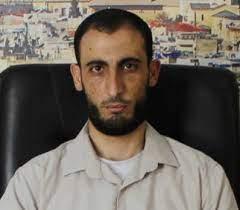
Gaza City Residents Face Rodent And Insect Disaster As Adam Al-Usta Is Bitten
Key Takeaways
- Gaza faces rodent and insect outbreaks due to waste and sanitation collapse.
- Displacement tents amplify pest exposure and health risks amid the crisis.
- Rats and pests symbolize Gaza's broader environmental health crisis.
Rats, insects, and illness
Gaza’s residents are facing an escalating environmental and health disaster as waste piles up in the streets and around displacement sites, with rodents and insects adding “new dimensions of danger.”
“The videos have a grim humor to them: young men standing among the tents, holding up dead rats, counting them out before claiming their reward — 34 cents per mouse, $1”
In Gaza City, the infant Adam Al-Usta was bitten by a rat inside his tent before he reached one month old, and he was transferred to a hospital where he remains receiving treatment after surviving a poisoning that nearly cost him his life.
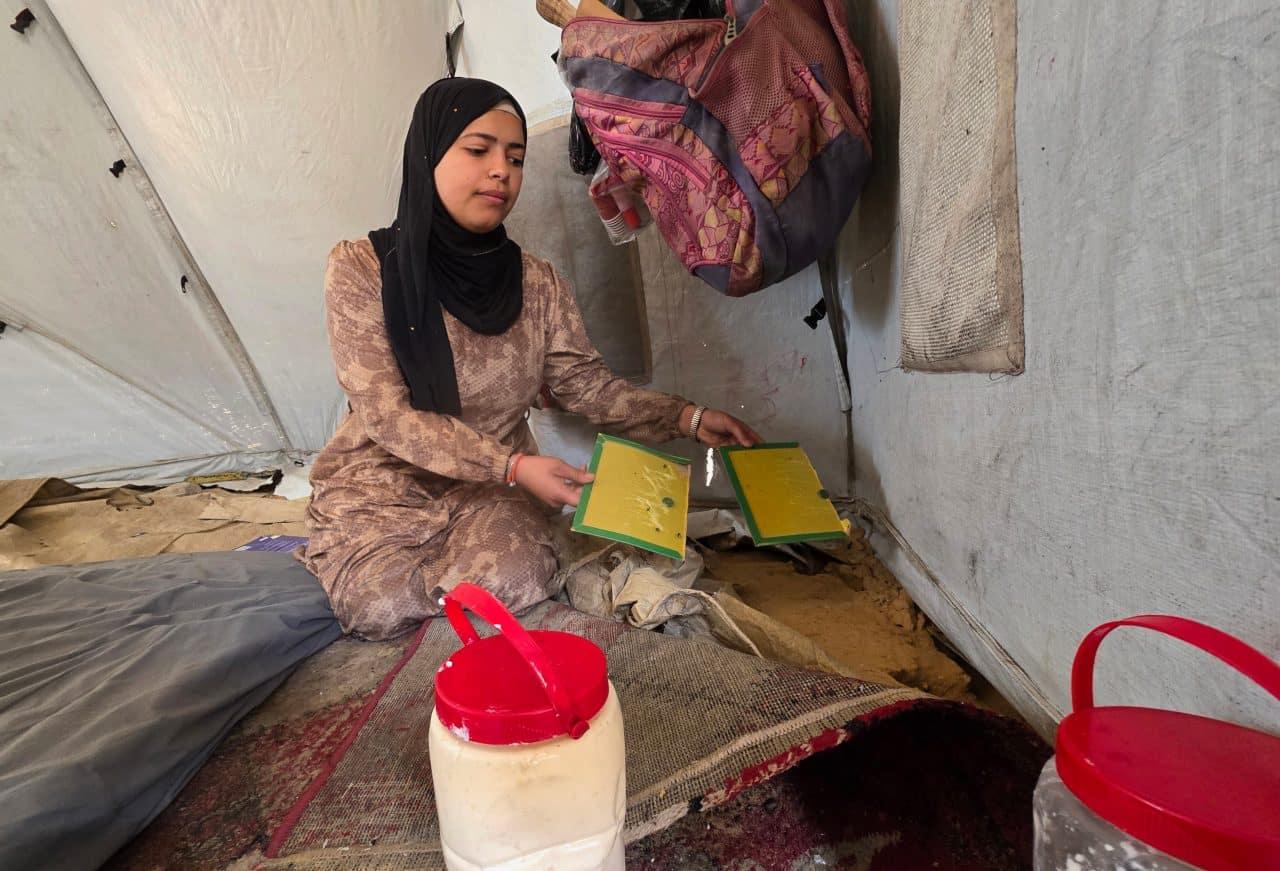
His mother recounted the moment: “I woke to his cry in the darkness of the tent, and when I turned on the flashlight I was startled to see his face smeared with blood.”
The article says Gaza City Municipality urged international and humanitarian organizations to intervene immediately to help provide pesticides and materials needed to combat pests and rodents, noting these supplies have been unavailable since the start of the war in October 2023.
It also quotes Palestinian Health Minister Majed Abu Ramadan warning of worsening health risks due to the widespread spread of rodents and listing diseases including hantavirus, plague, tularemia, salmonella, and tularemia.
A weapon claim and a strike
The Palestinian Center for Human Democracy and Rights and Agricultural Relief says the Israeli occupation has used the spread of diseases and epidemics, along with insects, rodents, and rats, as a “systematic biological weapon” against civilians in the Gaza Strip.
The same article argues that the occupation prevents the entry of pesticides and toxins needed to combat pests and blocks spare parts for municipal machinery required to remove waste, creating what it describes as a fertile environment for the spread of rats and insects.

It also asserts that the accumulation of rubble and solid waste—described as about 40 million tons of rubble and 340 thousand tons of waste near displacement sites—created an ideal habitat for the proliferation of insects and rodents.
In a separate account of grassroots response, Mondoweiss describes a campaign in which young men hold up dead rats and count them out before claiming rewards, with Abdel Hamid Abdel Ati saying: “I wanted to embarrass municipalities and officials in Gaza so they would move and stop being complacent.”
Mondoweiss reports that Abdel Ati announced the rewards through his Facebook page in early May, and that the idea spread rapidly as camps and displacement centers began self-organizing into campaigns to clean streets and sweep away rubble between tents.
What happens next
The Gaza City Municipality’s appeal for pesticides and materials is tied in the article to a broader claim that occupation forces barred municipalities from reaching the main waste dumps near the security fence on the eastern side of the sector since the outbreak of the Israeli war following the Al-Aqsa Flood operation on October 7, 2023.
“Monday, May 11, 2026 Monday, 11-May-2026 It is clear that the Israeli occupation has not been satisfied with the means and tools of both ancient and modern warfare, and has used technology, artificial intelligence, biological development, massive military support, and intelligence in a war of systematic genocide against the people of Gaza”
The article says the ministry warned that the current conditions create a fertile environment for mice and rats, increasing the likelihood of outbreaks of serious diseases such as hantavirus, plague, tularemia, salmonella, and tularemia.
It also states that the minister called on the World Health Organization and all international health bodies to intervene urgently by providing rodent-control materials and strengthening preventive measures, especially with “more than one million people.”
In Mondoweiss, Abdel Ati describes the campaign’s effect as a shift from inaction to organized cleaning and hunting, saying: “We started with a very small amount, yet in a very big way, and you can see in front of you what people are doing.”
The same report adds that Abdel Ati spent nearly $5,000 of his own money in just a week after launching the campaign, and that after the initiative became widespread he no longer had the capacity to continue providing financial rewards as the effort expanded into a broader collective movement.
More on Gaza Genocide

Report Says Hamas Used Systematic Sexual Violence In Oct. 7 Attacks And Aftermath
14 sources compared
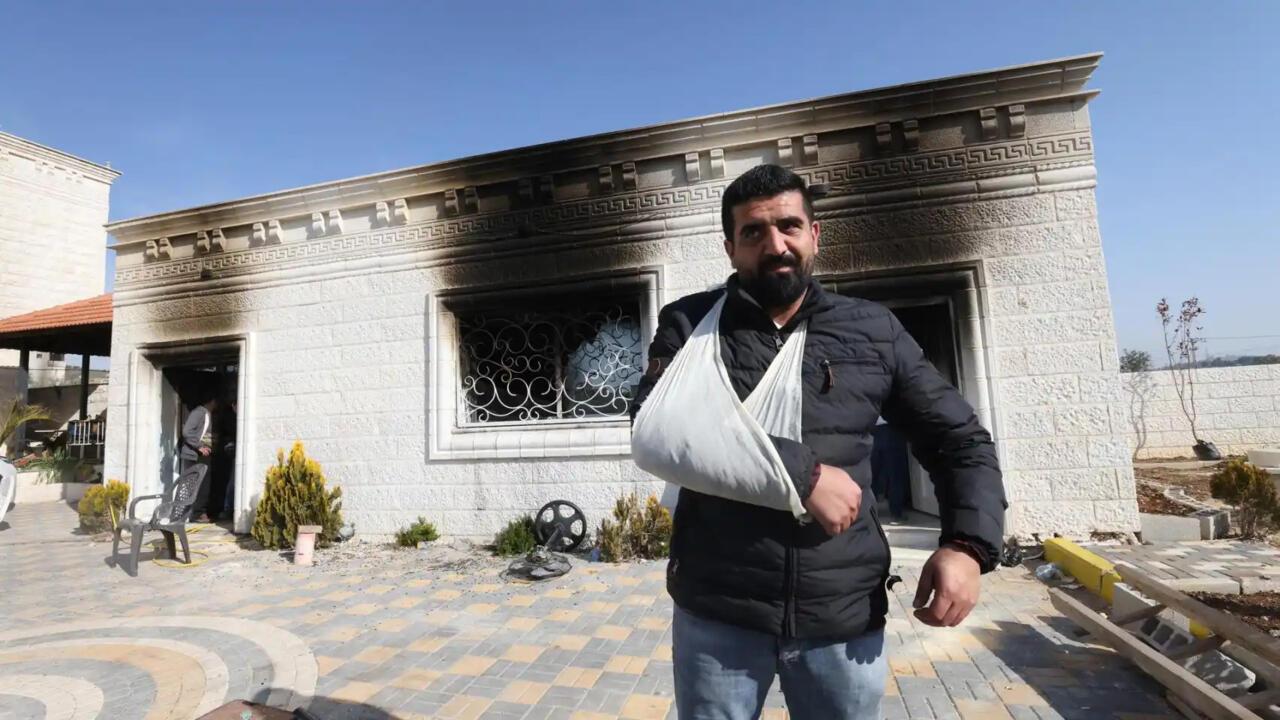
European Union Approves Sanctions On Israeli Settlers And Hamas Leaders In Brussels
15 sources compared

Pro-Palestinian Protesters Clash With Police Outside Park East Synagogue Over Israeli Real Estate Event
12 sources compared

EU Agrees To Sanction Israeli Settlers In West Bank Over Violence Against Palestinians
32 sources compared