
Georgian Orthodox Patriarch Ilia II Dies at 93
Key Takeaways
- Ilia II, Patriarch of the Georgian Orthodox Church, died.
- Palestinian President Abbas offered condolences to Georgian leaders.
- He transformed the church from Soviet oppression into a leading body in Georgia.
Death of Spiritual Leader
Georgian Orthodox Patriarch Ilia II, the spiritual leader who transformed the church from Soviet oppression into one of Georgia's most powerful non-state institutions, has died at age 93.
“Ilia II: A Spiritual Pillar in Georgia's Modern History Ilia II, revered leader of the Georgian Orthodox Church, passed away at 93”
He served for nearly fifty years, leading the Georgian Orthodox Church as Catholicos-Patriarch since 1977.

Born in 1933 in Russia's North Caucasus as Irakli Ghudushauri-Shiolashvili, he rose through theological studies in Moscow.
His death marks a significant moment in Georgia's religious and cultural narrative, ending an important era.
During his leadership, the church filled the ideological void left by the collapse of the Soviet Union.
Post-Soviet Transformation
His leadership was characterized by the church's emergence as a central force in Georgian society during the post-Soviet transition period.
Ilia II guided the institution through Georgia's complex geopolitical landscape.
He helped preserve national identity and religious heritage during a time of profound social and political change.
Under his guidance, the Georgian Orthodox Church became not just a religious institution but also a key player in cultural preservation.
The church filled the vacuum left by the collapse of Soviet ideology while maintaining Georgia's distinct Orthodox Christian identity.
Conservative Controversies
Despite his widely respected leadership, Ilia II's conservative stance generated significant controversy.
“Ilia II: A Spiritual Pillar in Georgia's Modern History Ilia II, revered leader of the Georgian Orthodox Church, passed away at 93”
His views were particularly controversial regarding Georgia's European integration aspirations.
Relations with the Russian Orthodox Church amid tensions over Ukraine's conflict also created tensions.
His traditionalist views on social issues often placed him at odds with Georgia's Western-oriented political elite.
The patriarch maintained close ties with the Russian Orthodox Church while Georgia pursued closer relations with Europe.
International Response
International leaders have responded to Ilia II's passing with expressions of condolence and recognition of his significance.
Palestinian President Mahmoud Abbas extended condolences to Georgian President Mikheil Kavlashvili.
Abbas described the late patriarch as having lived a life 'full of dedication in service to his country, faith, and people.'
The international response reflects recognition of Ilia II's role as both religious figure and statesman.
He influenced Georgia's domestic and foreign affairs during a critical period of the country's modern history.
Historical Legacy
Ilia II's death marks the end of an era in Georgian religious and political life.
“Ilia II: A Spiritual Pillar in Georgia's Modern History Ilia II, revered leader of the Georgian Orthodox Church, passed away at 93”
His nearly half-century tenure saw the Georgian Orthodox Church transform from a suppressed institution to an influential force.
His conservative values and traditionalist approach will continue to resonate in Georgian politics and culture.
The institution he led now faces the challenge of maintaining its influence and relevance.
This occurs in a rapidly changing geopolitical environment that will shape Georgia's future trajectory.
More on Europe

Russian intelligence-linked hackers target Signal users, accessing thousands of accounts
10 sources compared

Barcelona Police Say University of Alabama Student's Death in Spain Was Likely an Accident
36 sources compared
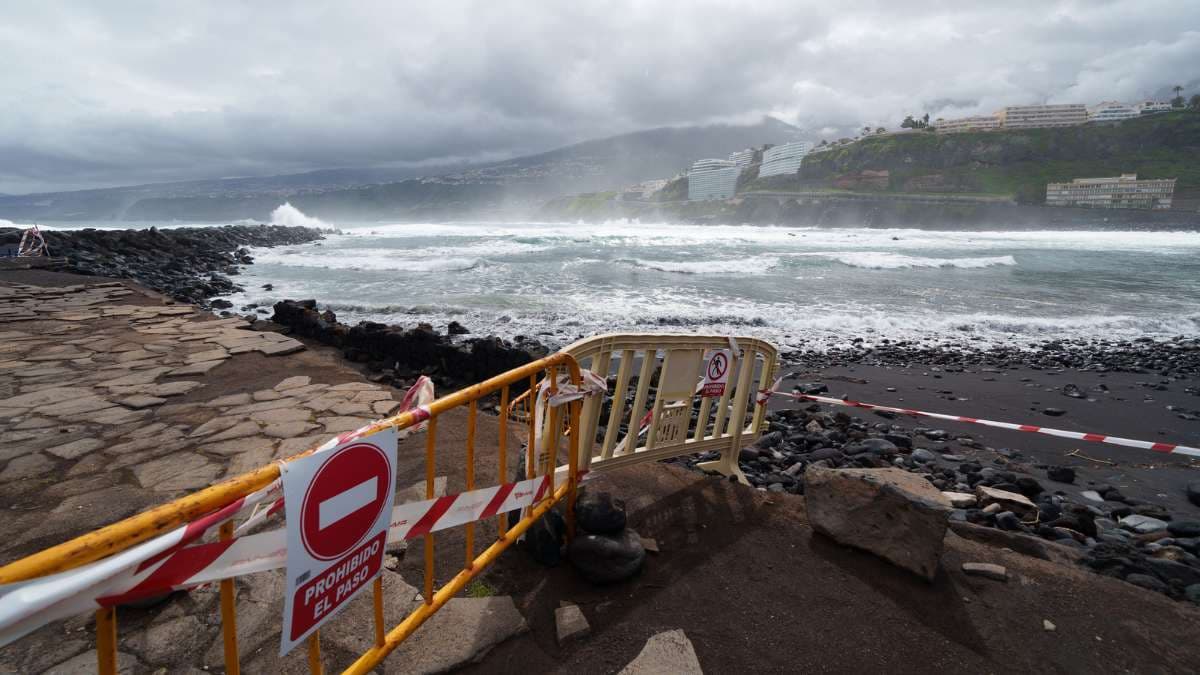
Storm Therese cancels flights in Tenerife as Easter holidays loom
14 sources compared

Nottingham Forest beat Midtjylland on penalties to reach Europa League quarter-finals
10 sources compared