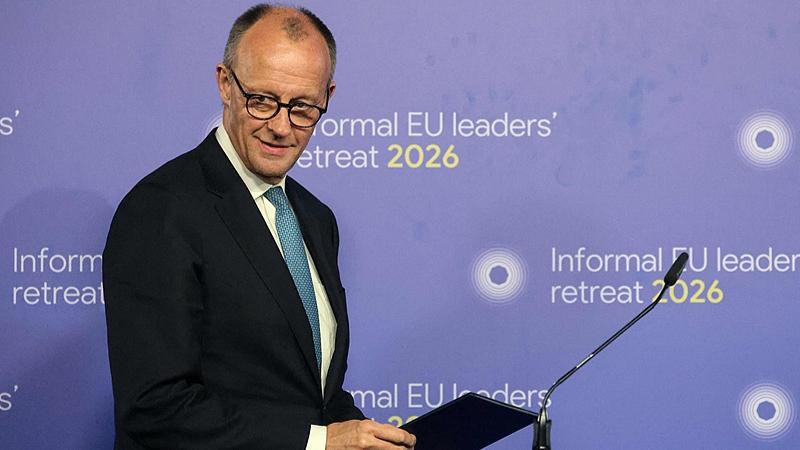
Germany-China Trade Surges After Merz Visit, Defying Trump Era Demos
Key Takeaways
- Merz's two-day Beijing visit included meetings with Xi Jinping and Li Qiang.
- About thirty German business leaders accompanied him on the trip.
- Germany seeks balanced China ties, combining de-risking with sustained economic engagement.
Merkel-Scho
Merz's visit marked a significant shift, with trade surging 23.8% to €282.3 billion in 2026.
“Welcome to the pages of the Federal Foreign Office”
Germany's bilateral trade deficit with China widened to €139 billion, five times larger than with the U.S.

The visit was accompanied by a 30-person business delegation, the largest since Merkel's first term.
Economic Ties Trump Political Divergence
Merz's engagement contrasted with the Trump administration's escalating trade war.
U.S.-German trade shrank by 5% in 2025 amid soaring tariffs.

Merz openly diverged from Washington, stating Germany does not share Trump's tariff measures
Strategic Balancing Act
Merz tried to balance economic engagement with strategic caution.
“Il cancelliere debutta a Pechino, primo partner commerciale della Germania, e riavvia gli scambi tra i due governi”
The Atlantic Council framed the campaign as a high-risk gamble with unclear objectives.
The German mission faced the challenge of addressing sensitivities over Taiwan and human rights.
Internal EU Divides
Merz's approach highlighted divisions within the EU.
France, Britain, and Canada had all visited China in the previous three months.
The closure of the Strait of Hormuz disrupted supply chains globally.
More on Europe
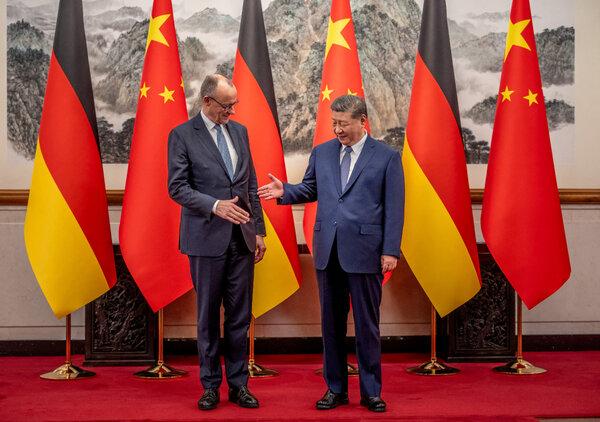
German Chancellor Merz Seeks China Balance Amid Trade Deficit, Tech Competition
14 sources compared

Rubio Threatens to Rethink NATO as Spain Blocks US Operations Over Iran
11 sources compared

Hungarian Foreign Minister Leaked Plans to Remove Russian Oligarchs From EU Sanctions
17 sources compared
Wolf Bites Woman in Hamburg, First Attack Since 1998 Reintroduction
15 sources compared