Crime26 March, 20263 min read
Ghana-Led UN Resolution Demands Apologies, Restitution And Reparations After Labeling Transatlantic Slave Trade Gravest Crime
UN General Assembly adopts Ghana-led resolution declaring transatlantic slave trade gravest crime. 123 in favor, 3 against, 52 abstained.
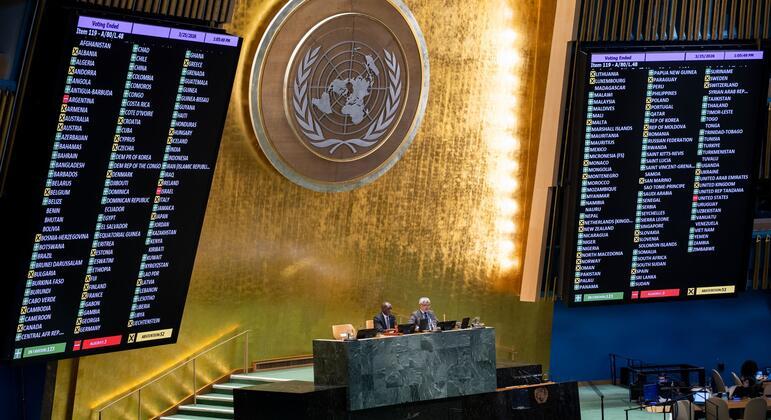
GA vote marks gravest-crime milestone
The single, pivotal development is the UN General Assembly’s adoption of a Ghana-led resolution that for the first time labels the transatlantic slave trade and the racially based enslavement of Africans as the gravest crime against humanity, with a 123-3-52 vote. This is not a legal verdict but a powerful political declaration that elevates reparative justice to the top of international discourse and puts pressure on former colonial powers to confront their histories. As UN Secretary-General Antonio Guterres framed it, the vote signals a demand to confront “the enduring consequences that continue to structure the lives of all people through racialized regimes of labor, property, and capital.”
“Today, we come together in solemn solidarity to affirm truth and pursue a route to healing and reparative justice.”
The resolution’s passage comes despite opposition from the United States, Israel, and Argentina, and broad abstentions from the United Kingdom and EU members. Non-Western outlets underscore that this is a political instrument—not binding law—that nonetheless reshapes debates on accountability and reparations.
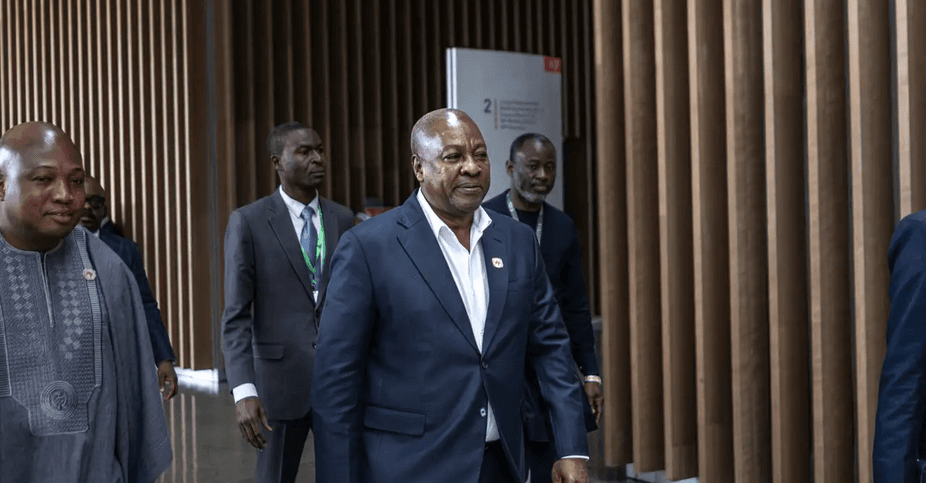
Detailed reparations roadmap outlined
The resolution’s concrete demands on reparative justice are unusually explicit for a non-binding GA text. It urges formal apologies, the prompt and unhindered restitution of looted cultural artifacts, and serious consideration of reparations mechanisms—including options like monetary compensation, debt cancellation, development aid, and other restorative measures—without specifying a monetary value. In practice, these provisions translate into a push for a global reparations framework rather than a blank historical acknowledgment.
The text emphasizes dialogue with the African Union and African states to address systemic discrimination and persistent inequalities rooted in slavery. Although not binding, the package signals a transition from symbolic remembrance to potential policy change on restitution and development linked to the legacy of slavery.
Fractured Western support, Global South momentum
The diplomatic fault lines are sharpened by who opposed and who abstained. The United States, Israel, and Argentina voted against the resolution, while the United Kingdom and many EU states abstained, citing concerns about legal implications and the potential to hierarchize crimes against humanity. US Deputy Ambassador Dan Negrea rejected a legal right to reparations for wrongs not illegal under the law at the time and warned against ranking crimes among humanity.
“The United States, Israel and Argentina voted against the measure.”
Non-Western outlets emphasize that for many Global South and African actors, this moment is a political necessity despite Western discomfort, arguing that the resolution unsettles long-standing impunity. Ghana’s Ablakwa framed the vote as a moral imperative, asserting that ‘the perpetrators… are known’ and calling for formal apologies, a stance echoed across African and Asian commentary.
Global South welcomes, cautions on binding outcomes
Non-Western outlets frame this as a significant, but still evolving, turn toward restorative justice rather than a finished settlement. African and Caribbean media broadly welcomed the vote as a milestone that compels a broader reckoning with colonial-era harms, while cautioning that GA resolutions are non-binding and open-ended in practical effect. The African Group and Ghana’s leadership frame the measure as a catalyst for formal apologies, reparations discussions, and the possible establishment of reparations mechanisms.
Diaspora voices describe the vote as a historic acknowledgement that could unlock broader accountability and educational initiatives, but warn that real change requires dedicated frameworks and resources. Analysts note that the reparations question remains politically contested among powerful states, meaning momentum must be sustained beyond this symbolic milestone.
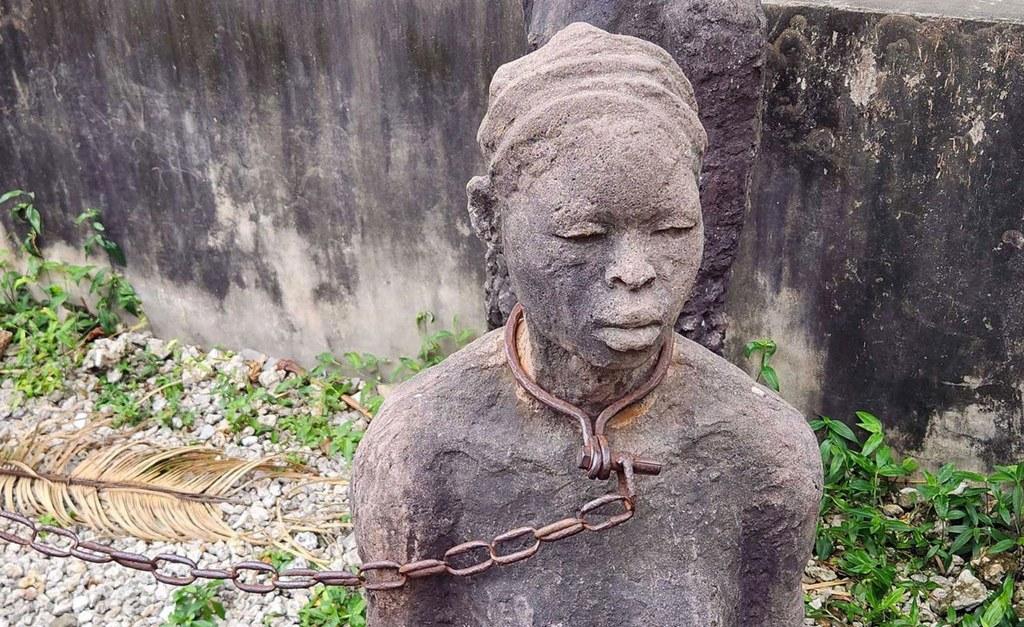
Momentum vs. binding practicality
The resolution’s political weight could catalyze a broader reparations conversation, including institutional reforms and education initiatives. It creates pressure for future negotiations on apologies, restitution, and guarantees of non-repetition, potentially accelerating debates on debt relief, resource reallocation, and artifact repatriation. Observers describe this as a turning point that could shift international norms toward accountability for historical harms and the legacies of slavery.
“Unlike Security Council resolutions, General Assembly resolutions are not legally binding but are an important reflection of world opinion.”
Critics warn that without binding legal teeth, the resolution risks remaining symbolic unless paired with concrete policy commitments and funding. The true test will be whether member states translate momentum into actionable reparations frameworks that reach descendants of enslaved Africans.
