Iran03 March, 20263 min read
Gulf States Accuse Iran of Launching Drone Strikes on Fujairah and Duqm Oil Terminals
This article is an automated aggregation of coverage from news outlets. Our editorials offer in-depth analysis curated by the NewsCord team.
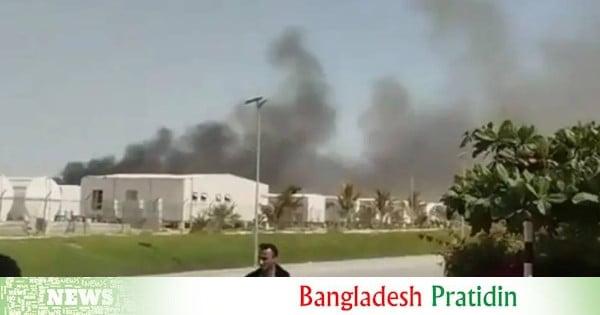
Drones struck Duqm and Salalah ports in Oman. Iran’s General Staff denied any involvement in strikes on Oman.
8 outlets told this the same way.
Outlets did split on Iran Reviews US Negotiation Proposals As Pakistan And Qatar Mediate Strait Of Hormuz Dispute →
Drone strikes near Omani ports
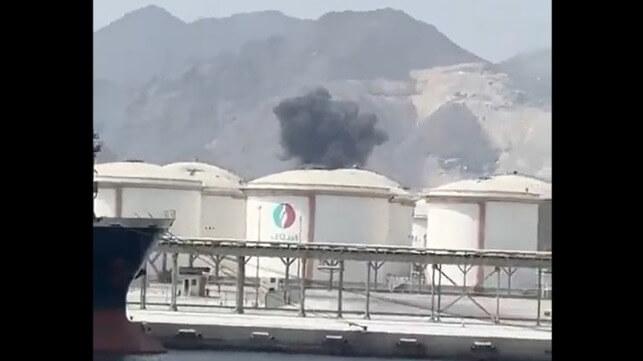
Available reporting describes a wave of drone strikes and related incidents across the Gulf that hit Omani ports, most notably Duqm. These reports prompted alarm in the UAE, but the provided sources do not mention Fujairah specifically. The Maritime Executive reports that drones struck Omani ports, hitting Duqm's docks and ship-repair facilities and at least one target at Salalah.
“Omani officials confirmed multiple drone incidents: a fuel tank at Duqm was hit (contained damage), earlier strikes at Duqm injured one foreign worker, and drones were intercepted near Salalah with no casualties.”
Times of Islamabad says Omani officials confirmed multiple drone incidents, including a fuel tank at Duqm that was hit with contained damage and earlier strikes at Duqm that injured one foreign worker. bdnews24 places these incidents in the context of wider attacks that have also hit neighbouring Arab states and disrupted shipping through the Strait of Hormuz. Because none of the supplied extracts reference Fujairah, attribution or damage there is unclear from these sources and should not be assumed.
Disputed Duqm damage
Accounts differ sharply on the scale of damage and on responsibility. Security consultancy Windward, cited in The Maritime Executive, reported extensive infrastructure damage and identified up to six foreign vessels potentially affected (including one U.S.-flagged ship). The same piece notes Duqm’s inclusion on a Lloyd’s risk list.
By contrast, Omani officials described only “limited damage to a single fuel tank.” Times of Islamabad records Iran’s Armed Forces denying responsibility, calling Oman a “friend and neighbor” and rejecting accusations of aggression. This divergence between independent maritime assessments and official Omani statements, together with Iran’s denials, leaves the factual picture contested in the sources.

Regional escalation overview
Times of Islamabad frames the Duqm/port incidents as part of a wider wave of drone and missile strikes across Gulf states after late‑February US‑Israeli operations against Iran. bdnews24 reports that Washington's Central Command claims to have struck "more than 1,700 Iranian targets" and that Iran has replied with strikes that have hit neighboring states.
“The incidents are described as part of a wider wave of drone and missile strikes across Gulf states after late‑February US‑Israeli operations against Iran; the article says the conflict intensified after strikes that reportedly targeted Iran’s leadership, nuclear and military sites.”
Critical Threats documents concurrent escalatory activity on other fronts, including Hezbollah operations in northern Israel and the Golan Heights. Together, these accounts underscore a region‑wide spike in kinetic incidents following the late‑February operations.
Security and regional impacts
The incidents have produced immediate security, diplomatic and economic measures. The Maritime Executive reports that Duqm and all Omani seaports were added to the Lloyd’s Joint War Committee risk list and notes Windward’s warning that the threat "could push insurance rates higher for Omani waters."
The U.S. embassy in Muscat issued "shelter-in-place guidance for Duqm and areas around Salalah and barred U.S. government personnel from traveling to those areas," reflecting operational restrictions on diplomats. bdnews24 records widespread civil disruptions across the region — from airspace closures and evacuations to the UAE’s decision to "extend remote learning nationwide until March 6."
Disputed attribution and responses
Attribution and intent remain disputed in the available reporting, and international responses are mixed. Times of Islamabad records that 'Western and Gulf sources... link many of the attacks to Iran,' while the Iranian Armed Forces have denied responsibility and described Oman as a 'friend and neighbor'. Critical Threats records diplomatic friction, citing Qatar as saying 'there is currently no contact between Qatar and Iran' and rejecting the notion that attacks will 'lead to a return to the negotiating table'.
“Western and Gulf sources, and outlets cited in the piece (Reuters, Al Jazeera, Anadolu), link many of the attacks to Iran, framing them as retaliatory pressure on neighbors hosting US forces.”
bdnews24 notes calls for de-escalation from Oman and Russia even as strikes and counterstrikes continue. These sources collectively show contested attributions, official denials, and active diplomatic alarm without a singular, uncontested factual account in the documents provided.