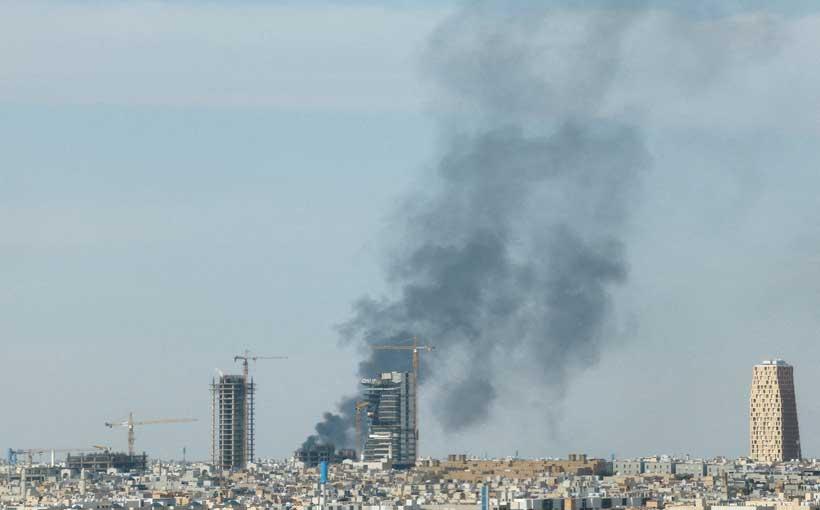
Gulf States Rethink Security After Hormuz Closure and Missile Threats
Key Takeaways
- Gulf states reassess security architecture and reduce reliance on foreign military pacts.
- Gulf states rethink alliances amid Iran-US-Israel confrontation.
- Move toward a new security playbook to address evolving threats and non-state actors.
Strait Closure Sparks Energy Panic
The closure of the Strait of Hormuz has forced Gulf Arab states to reconsider energy export strategies and security frameworks.
“Does the Gulf need a new defensive strategy or policies with greater impact”
Gulf nations hold over 60% of the world's oil reserves and 30% of gas reserves.
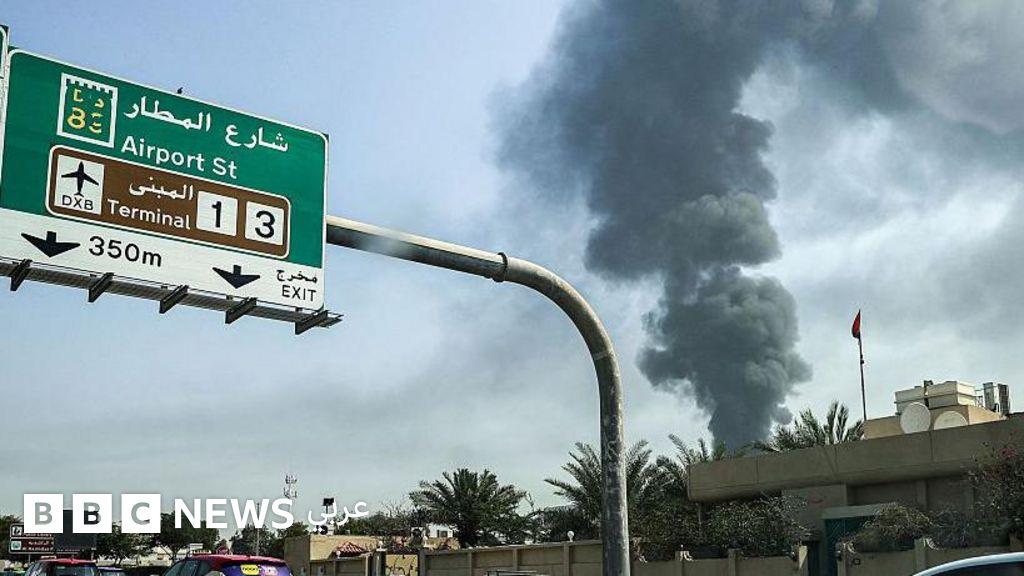
The Saudi East-West pipeline has emerged as a vital artery.
Gulf energy executives acknowledge it seems like a brilliant stroke in hindsight.
Expanding pipeline capacity is costly and politically complex.
Qatari Foreign Ministry called for reevaluating the regional security architecture.
Bloomberg reported Gulf countries are reexamining long-fixed security principles.
Alliance Strains and Regional Autonomy
Criticism of Gulf reliance on the United States has intensified.
Daneshjoo News Agency described Riyadh's approach as kissing Trump's butt for security.
The fruit of an alliance with the United States is neither security nor survival, but humiliation.
Iran's new strategy of levying tolls on Hormuz passage forces a reckoning.
The conflict involves Iranian proxies operating across Lebanon, Iraq, and Yemen.
Military Capabilities and Proxy Dynamics
The war has exposed gaps in Gulf defense capabilities.
“With the completion of the first month since the outbreak of direct military confrontation between the United States and Israel on one side, and Iran on the other, it has become clear that this conflict is not unfolding according to the traditional models of interstate wars”
Defense partnerships proved effective in a defensive posture but not sufficient to prevent escalation.
Iranian proxies have drawn the Gulf into a geographic arc of threats from Lebanon to Yemen.
Bloomberg warned the war could fundamentally transform the region.
The Gulf mood has shifted from hypothetical scenarios to practical reality.
More on Iran

US Carries Out Epic Rescue of Two F-15E Crew Members After Iran Shootdown
34 sources compared

US-Iran Indirect Talks Advance While Iran Demands Complete End to War
12 sources compared
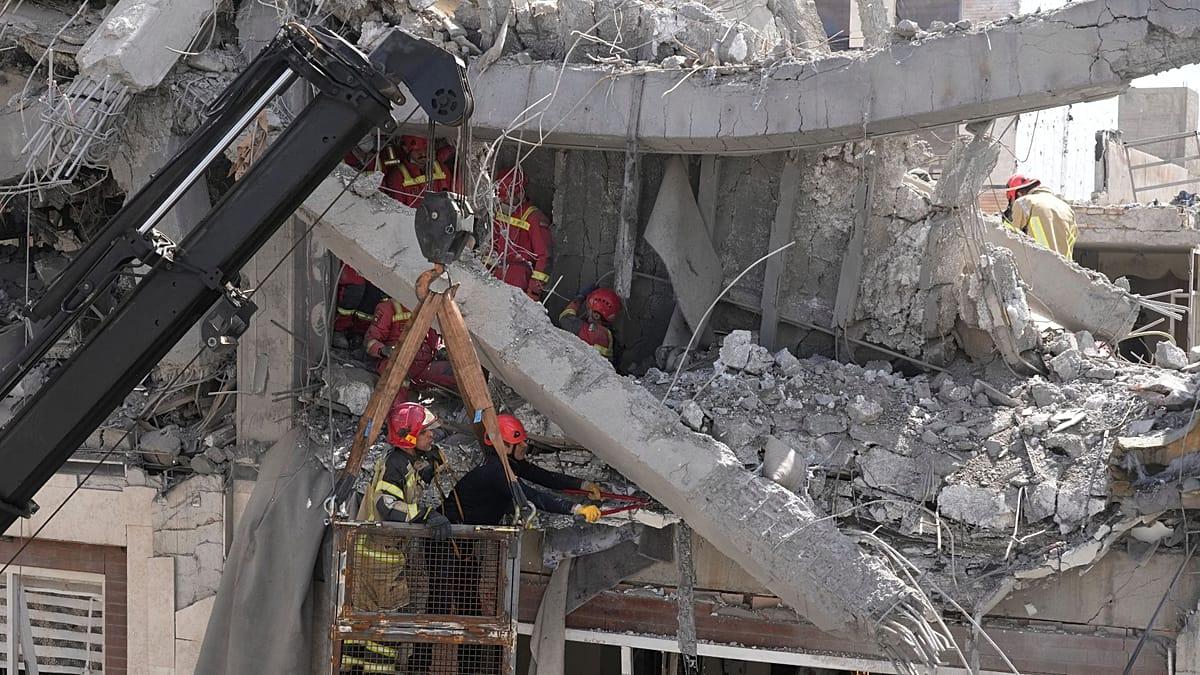
Trump Threatens to Destroy Iranian Infrastructure as Deadline Nears
17 sources compared
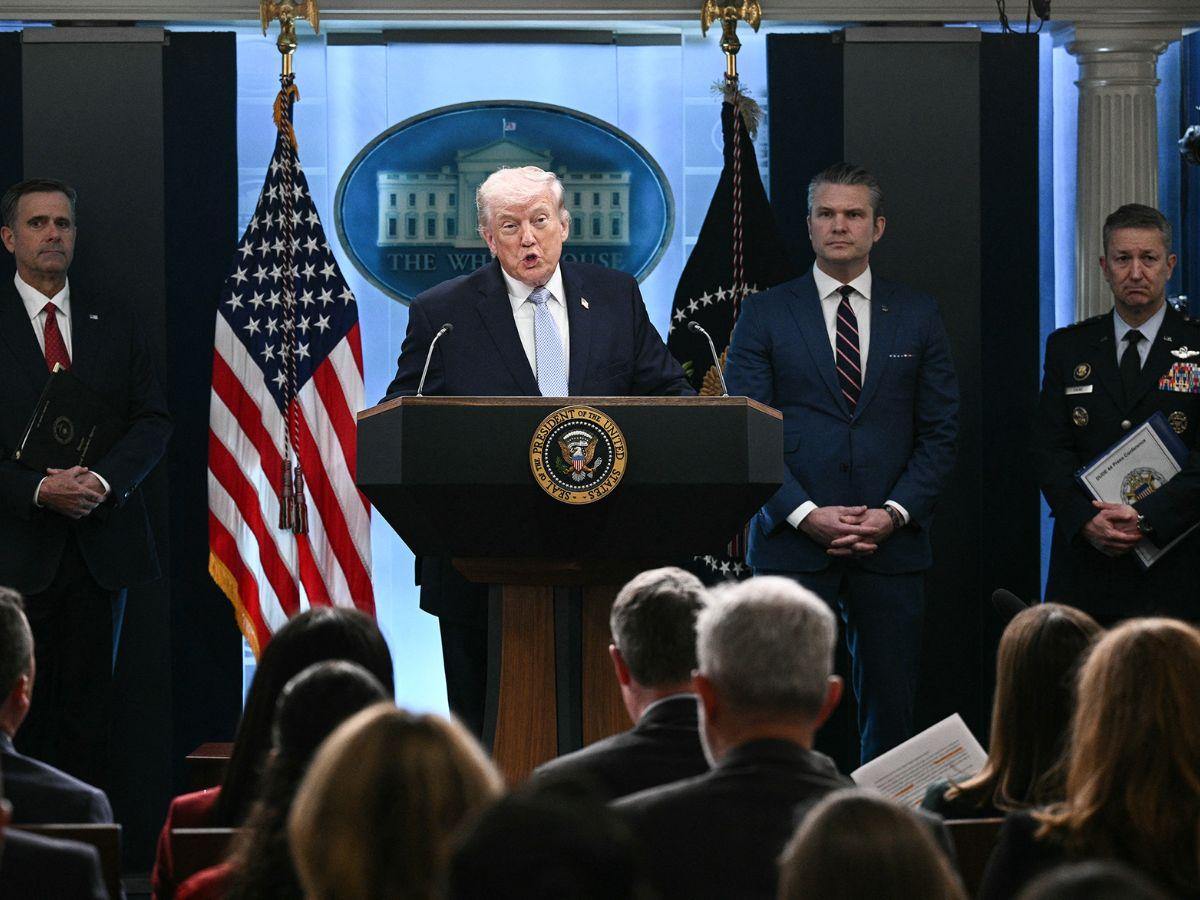
Iran Rejects US-Israeli Ceasefire, Presents 10-Point Peace Plan via Pakistan
18 sources compared