
Gulf War Pushes Oil Above $140, Disrupts Global Trade, Inflation Surges
Key Takeaways
- Energy and fertilizer supply disruptions push up global commodity prices, fueling inflation worldwide.
- Strait of Hormuz disruption worsens fertilizer supply, diesel shortages, LNG disruptions, threatening global food security.
- Global markets face supply chain shocks as the Iran war spreads to agriculture and manufacturing.
Oil Surges Past $140
Oil prices surged past $140 a barrel.
Twelve percent of global oil supply vanished after US-Israeli strikes on Abadan knocked out Iran's second-largest refinery.

The Strait of Hormuz was closed, cutting roughly one-fifth of global oil supply.
Global Trade Jammed for Fourth Week
Global trade was jammed for a fourth week with rubble from bombed ports choking shipping hubs.
Iran blocked Dubai in retaliatory strikes.

City governments across the Gulf extended restrictions amid humanitarian concerns.
Regional Impact Felt Worldwide
Sri Lanka declared Wednesdays a public holiday to curb commutes and conserve fuel.
South Koreans were urged to take shorter showers.
Tens of thousands of flights were canceled worldwide.
Iran Retaliates, Incites Wider Instability
Iran extended missile strikes after US-Israeli forces bombed Dayyer Refinery.
Iran's Revolutionary Guards launched missiles at Abu Dhabi International Airport, killing at least three people.

The war's expansion stoked fears of wider instability.
More on Iran

Bitcoin Holds $65,000 Amid Iran War; Trump Demands Hormuz Reopened
23 sources compared
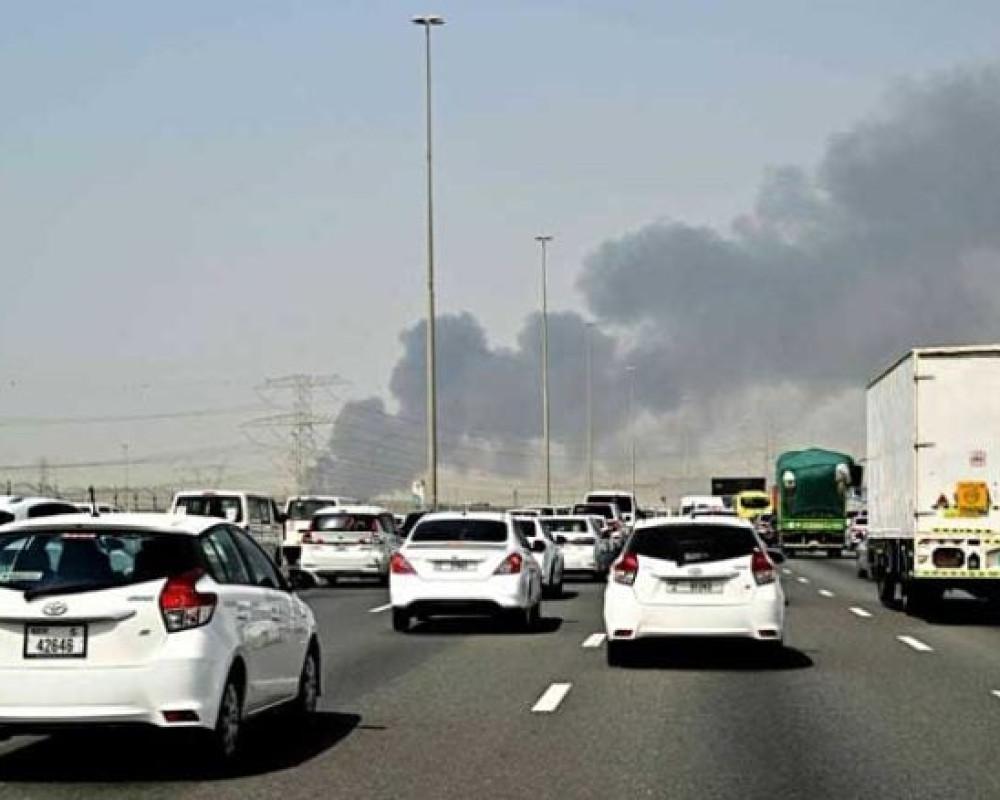
Iran Strikes Kuwaiti Oil Tanker in Dubai, Ignites Fire and Raises Spill Fears
24 sources compared

Trump Signals Willingness to End Iran War Without Reopening Hormuz
24 sources compared

Trump Tells Aides He May End Iran War Without Reopening Hormuz
20 sources compared