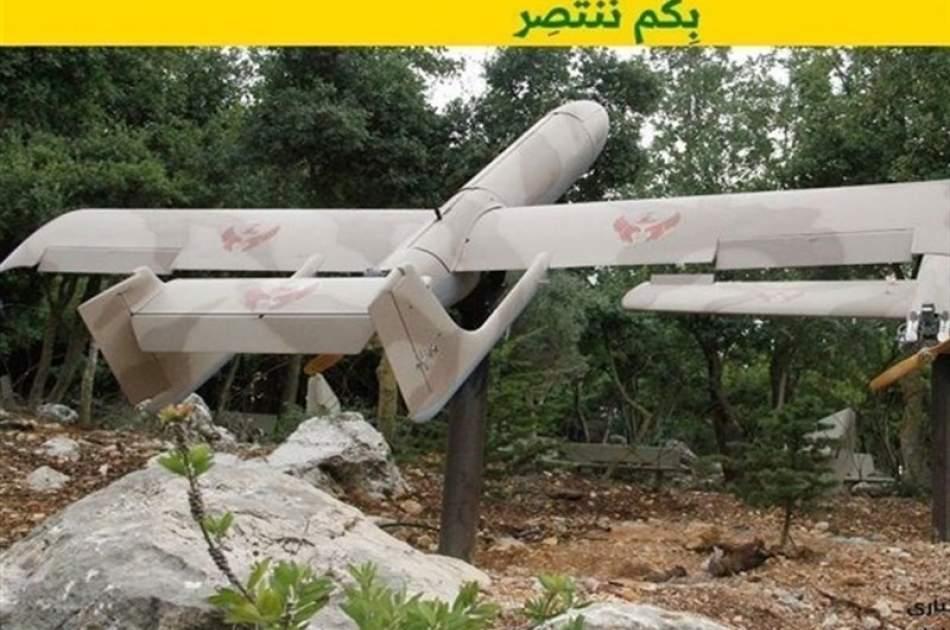
Hezbollah Intensifies FPV Drone Attacks, Israel Registers 645 Strikes Since April 17 Ceasefire
Key Takeaways
- Hezbollah intensified FPV drone attacks using fiber-optic guidance against Israel.
- Drones targeted Iron Dome batteries, with reports of hits and counterclaims.
- Hezbollah reportedly conducted about 30 operations; Israel hunts 100 drone operators.
FPV drones vs Iron Dome
Hezbollah has intensified its use of small first-person view drones, or FPVs, against Israel, and FRANCE 24 reported that Israel’s army registered 645 Hezbollah FPV drone attacks on military and civilian targets in northern Israel and southern Lebanon since a partial ceasefire went into effect on April 17.
FRANCE 24 said Hezbollah also claims its FPV drones have hit Israel’s Iron Dome air defence batteries, but its Observers team found that nine out of the 10 videos Hezbollah posted on Telegram appeared to show strikes on inactive launchers or decoys.

In northern Israel, CNN Arabic reported that a Hezbollah drone targeted an Iron Dome battery and that the Israeli army said two soldiers were wounded while stressing the strike did not affect the system’s ability to operate.
The BBC described why the threat is hard to counter, saying the drones are guided by fiber optic cables, which helps them evade advanced defense systems.
BBC Reality Check also geolocated 35 video clips published since March 26 showing strikes targeting Israeli soldiers, armored vehicles, and air defense systems in southern Lebanon and northern Israel.
Hunt for operators
As Israel weighs how to respond, Al Jazeera reported that Israel hunts 100 operators to crack Hezbollah drones’ mystery, citing Israeli estimates that the number of Hezbollah explosive-drone operators is about 100 individuals.
Al Jazeera said Army Radio described the drone operation as a "complex operation" and quoted that "the army regards the intelligence and operational focus on them as a priority" because targeting them could reduce the intensity of the threat.
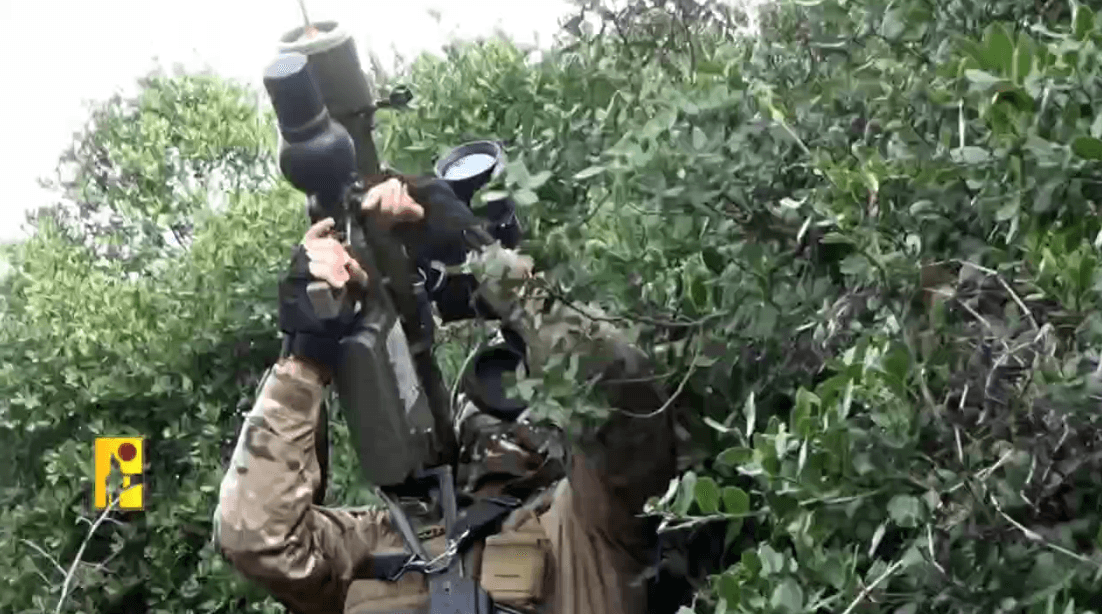
In the same reporting, Brig. Gen. Hassan Jouni told Al Jazeera that if Israel widens ground operations in Lebanon to search for drones and their operators, it would make the problem bigger and harder.
BBC Reality Check added that experts told it Israel has not yet developed effective means to counter the small drones, and that fiber optics make Israel’s ability to detect, jam, and intercept drones nearly futile.
BBC also reported that Israeli media indicated four Israeli soldiers and one civilian were killed in drone strikes of this type, in addition to dozens injured, while the Israeli army said it is investing significant resources in improving defenses.
Cost, tactics, and risk
The BBC described how the FPV threat has spread, saying BBC Reality Check found video clips of nearly 100 attacks believed carried out with FPV drones posted on Hezbollah’s Telegram channel since March 26, and that 35 were verified.
BBC Reality Check reported that a verified video released on Thursday showed at least four FPV drones attacking a border site in Israel near Kiryat Shmona, targeting a sequence of military vehicles one after another, with at least two heavily damaged or destroyed.
BBC also said experts estimated the cost of the drones at roughly 300 to 500 dollars per drone, and that the drones can be built from commercially available components and others produced with 3D printing.
In FRANCE 24’s account of the Iron Dome claims, defence and security analyst Farzin Nadimi said, "All the other cases are decoys," describing how decoy launchers are realistic but missing details such as internal hydraulic struts and a box-shaped structure.
Across the reporting, the risk is tied to the drones’ ability to threaten heavily armored vehicles and soldiers, with BBC Reality Check quoting that fiber optics make locating the operator harder and CNN Arabic describing the strike as captured from a first-person perspective up to the moment of impact.
More on Lebanon
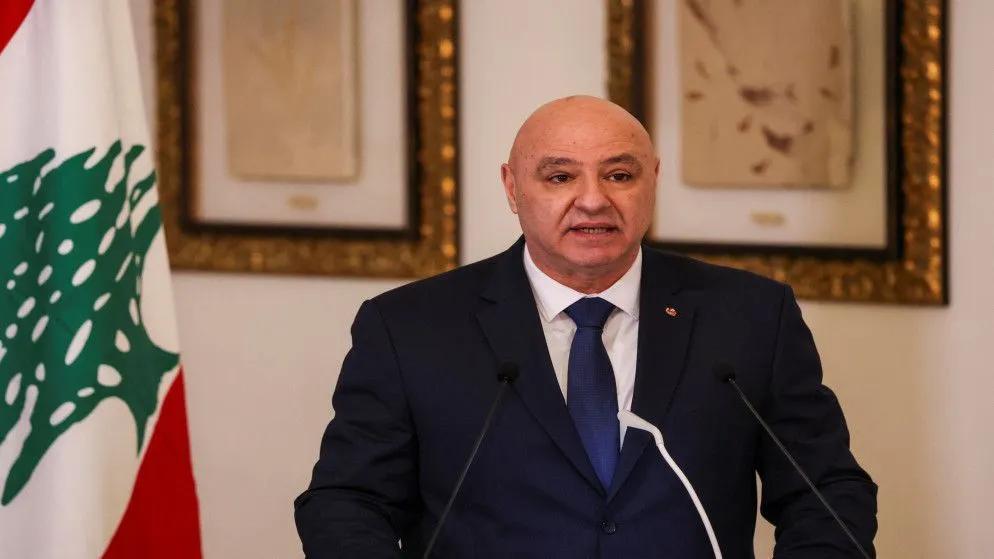
Joseph Aoun Welcomes France and Italy Plan for Post-UNIFIL Coalition in Lebanon
16 sources compared
Israel Signs Lebanon Framework Agreement in Washington as Rubio Says Peace Framework Begins
74 sources compared

Marco Rubio Announces Israel-Lebanon Framework Agreement With U.S. After Hezbollah Conflict
15 sources compared
Israeli Drone Strike Kills At Least Two Near Kfar Reman As Lebanon-Israel Talks Continue In Washington
13 sources compared