Lebanon And Israel Hold First Direct Talks In Washington Amid War
Key Takeaways
- Ambassador-level talks between Lebanon and Israel begin in Washington under U.S. mediation.
- Hezbollah opposes the talks and says it won't abide by any agreements.
- U.S.-brokered talks seek to halt bombardment and achieve a ceasefire.
Historic Talks Amid War
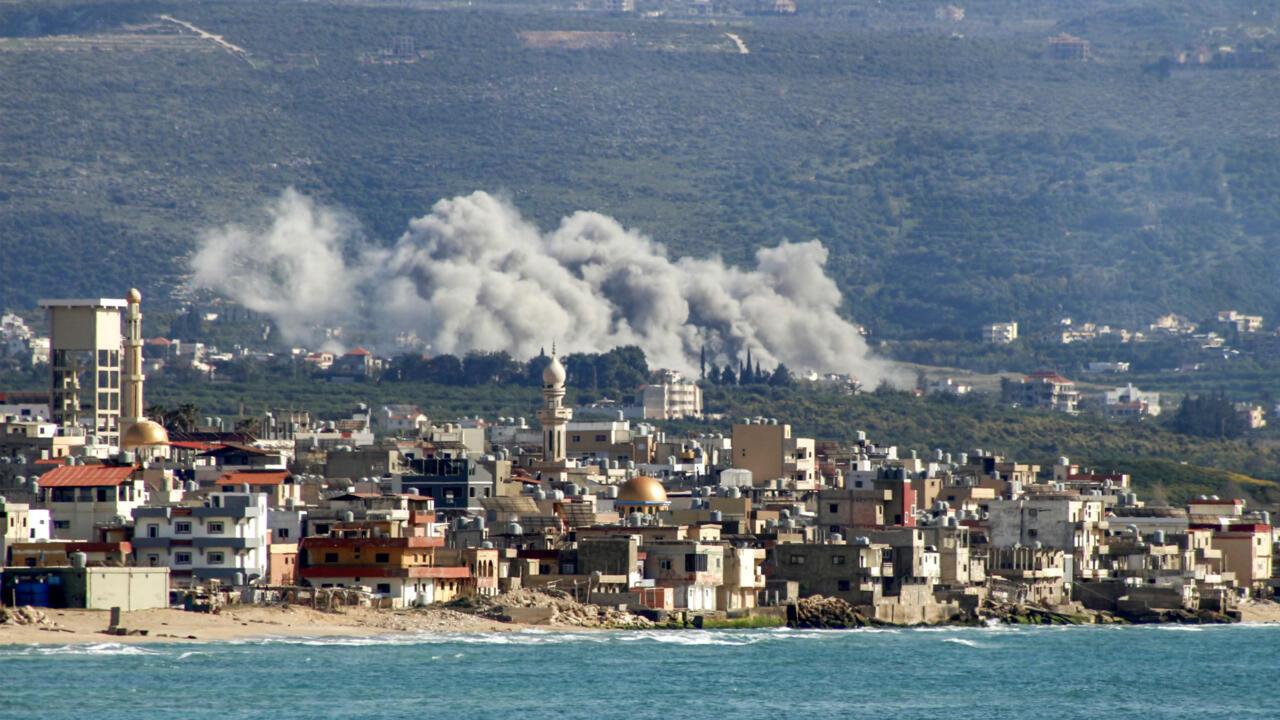
Lebanon and Israel held their first direct diplomatic talks in more than 30 years on April 14, 2026.
The talks came six weeks into a war triggered when Hezbollah fired rockets into northern Israel on March 2.

More than 2,000 people had been killed in Lebanon by Israeli strikes.
Israel had invaded southern Lebanon to create a security zone extending up to the Litani River.
The meeting involved the Israeli and Lebanese ambassadors to the United States, with no major breakthrough expected.
Hezbollah did not participate and condemned the talks as futile.
Hezbollah's Veto
Hezbollah's leader Naim Qassem urged Lebanon to cancel the talks, calling them a free concession to Israel and the U.S.
He said these negotiations are futile and require a Lebanese agreement and consensus -- and this has not happened.

Hezbollah political official Wafiq Safa told The Associated Press that the group would not commit to any agreements that might emerge.
He explained that Hezbollah is not currently communicating directly with President Aoun or Prime Minister Salam.
The group affirmed it is ready to negotiate disarmament only after a ceasefire and Israeli withdrawal.
The talks exposed a sharp internal division in Lebanon.
Divergent Agendas
The talks were described as preparatory by an official briefed on Israel's strategy.
Israeli government spokeswoman Shosh Bedrosian said we will not discuss a ceasefire with Hezbollah.
Lebanese President Joseph Aoun said he hoped the talks would yield an agreement on a ceasefire.
The Washington Post quoted an unnamed Lebanese official as ruling out that the talks would lead to a ceasefire.
The Guardian noted the talks come amid a shaky two-week ceasefire between the U.S. and Iran.
The Washington Institute analyzed that the main flaw of the 2024 ceasefire was the assumption that the Lebanese Armed Forces would disarm Hezbollah.
Public Sentiment and Stakes
In Beirut, expectations were low.
Hundreds of Hezbollah supporters protested against the planned talks.
Most Lebanese now view Hezbollah as the intrusive arm of Iranian interference.
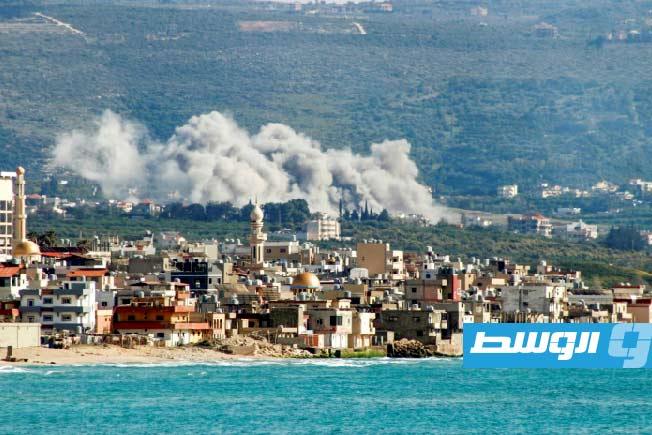
The talks come as Israel continues to push to create a security zone in southern Lebanon.
More than 2,000 people have been killed and over one million displaced.
It would take a lot of imagination and optimism to think that the issues can be solved in Washington.
More on Lebanon
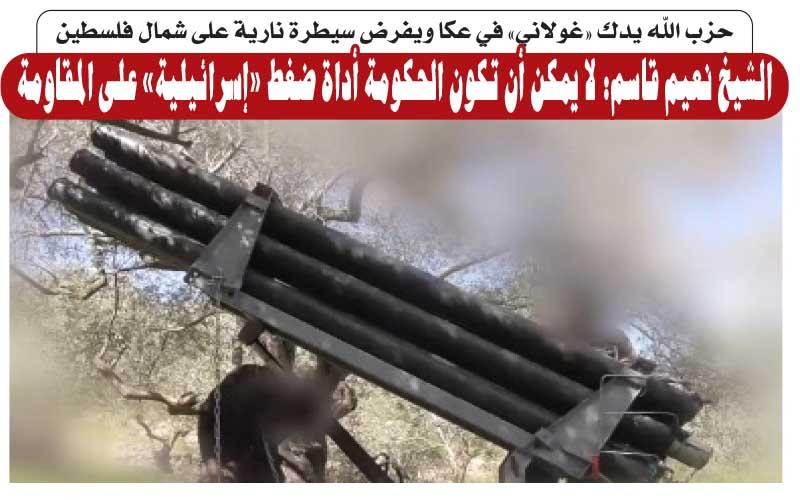
Hezbollah Pounds Israeli Settlements And Military Bases In Northern Israel
13 sources compared
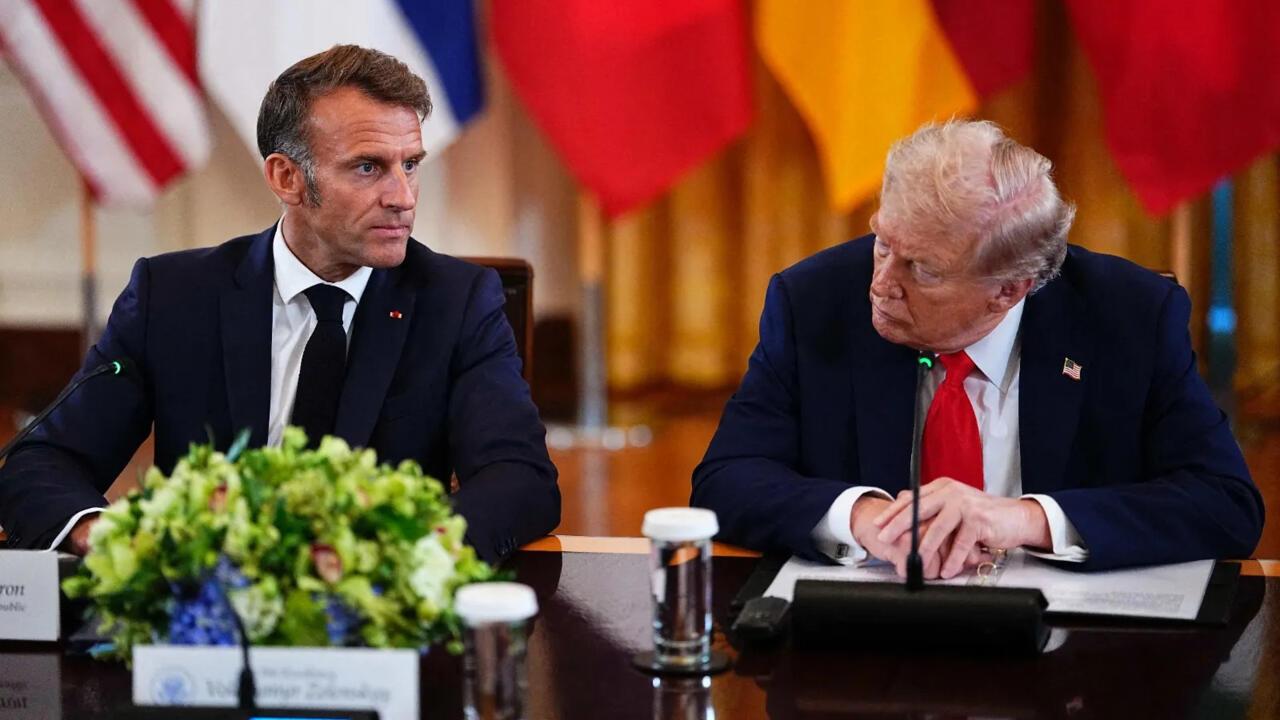
Netanyahu Visits Troops As Israel Expands Invasion Deeper Into Southern Lebanon
18 sources compared

IDF Kills Over 250 Hezbollah Operatives Including Senior Commanders in Lebanon Strikes
12 sources compared

Lebanese President Aoun Seeks Ceasefire With Israel In Washington Talks
12 sources compared