
Hezbollah Rejects Israel Negotiations, Vows to Thwart Any Conspiracy Targeting Resistance
Key Takeaways
- Hezbollah rejects any negotiations with Israel.
- Hezbollah preparing for a long military confrontation with Israel.
- Hezbollah has suffered heavy losses in the Israel conflict.
Hezbollah rejects talks
Hezbollah’s leadership in Lebanon has said it will not recognize or implement outcomes of ongoing negotiations with Israel, framing the diplomatic track as irrelevant to its battlefield decisions.
“World 6:53 AM, April 14, 2026”
MP Hassan Fadlallah told a memorial ceremony that “the negotiations, with all their outcomes, do not concern us, and we will not implement them, nor will we allow them to be implemented.”
He added, “We will thwart any conspiracy targeting the resistance,” and argued that “developments on the battlefield outweigh political agreements.”
In a separate televised address reported by CGTN Français, Hezbollah leader Naïm Qassem said the movement rejected direct negotiations with Israel and would continue its efforts of 'resistance', adding, “We will remain on the battlefield until our last breath.”
Qassem also rejected the current diplomatic initiatives, stating that the negotiations proposed with Israel were 'submission and surrender' and enjoyed no national consensus.
The same line of rejection appears in Middle East Monitor’s account of Hezbollah’s position, where Fadlallah said the group would not adhere to decisions resulting from negotiations.
Together, the statements place Hezbollah’s stance on negotiations at the center of the Lebanon file, even as multiple outlets describe parallel political and military moves.
Escalation and battlefield posture
While Hezbollah rejects negotiations, the sources describe a sustained and evolving military posture in Lebanon and along the border.
Reuters reporting, as relayed by قناة ومنصة المشهد and الجزيرة نت, says Hezbollah is preparing for a possible full-scale Israeli invasion and a protracted conflict, returning to guerrilla warfare in southern Lebanon.
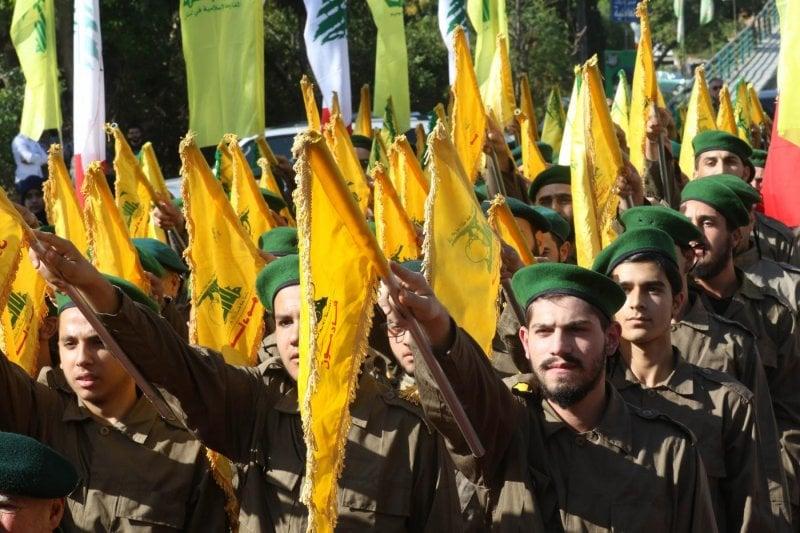
Four Lebanese sources told قناة ومنصة المشهد that Hezbollah is applying lessons learned from its last war and preparing for “a possible full-scale Israeli invasion and a protracted conflict,” with fighters operating in small units and avoiding communications equipment that Israel might eavesdrop on.
Reuters also reported that Hezbollah appointed four deputies for each commander to ensure continued operations and to avoid devices that could be tapped, as described by الجزيرة نت.
The same Reuters-based reporting says most battlefield fighting has been concentrated near the town of Khiyam, “at the junction of Lebanon, Israel, and Syria,” which Hezbollah believes any Israeli ground invasion would begin from.
The Israeli army, according to قناة ومنصة المشهد and الجزيرة نت, has bombed hundreds of Hezbollah targets since March 2 and carried out airstrikes in south Lebanon and Beirut’s southern suburb and the Beqaa Valley.
In parallel, the sources describe Hezbollah’s daily rocket and drone attacks on Israel, with قناة ومنصة المشهد stating that Hezbollah carries out daily drone and rocket attacks on Israel.
The military picture is also tied to a wider regional context: Firstpost says Hezbollah is betting on the Iran war to regain leverage, and it describes displacement and casualties as the conflict continues.
Voices from Beirut and beyond
The sources present multiple voices—Hezbollah, Israeli officials, and Lebanese political actors—describing what the conflict is for and what it will become.
“Israeli newspaper The Jerusalem Post reported in the early hours of Tuesday that Israeli estimates indicate Hezbollah is gearing up for a long military confrontation”
In a filmed address marking “Quds Day,” Naim Qassem said Hezbollah had “prepared itself for a long confrontation,” stressing that Israel “will be surprised on the ground,” and adding that Tel Aviv’s threats “do not frighten the resistance.”
He described the situation as “an 'existential threat to Lebanon'” and said diplomatic solutions “failed to stop Israeli aggression,” insisting that “there is 'no solution except through resistance, otherwise Lebanon will head toward disappearance.'”
Qassem also directed criticism at the Lebanese government, saying it has “not been able to achieve sovereignty or protect its citizens,” and called on it to “stop making concessions.”
On the Israeli side, israelhayom frames the confrontation as producing “three important achievements” that Israel “handed” to Hezbollah and Iran, arguing that Iran forced President Donald Trump to impose a ceasefire on Israel in Lebanon.
The Israeli outlet claims Israel is now restricted to operating only in southern Lebanon and “is barred from acting north of it,” and it argues that Israel agreed to a “reality of limited conflict” in a buffer zone that allows Hezbollah to wage guerrilla warfare.
In a different tone, Firstpost describes opposition in Beirut hardening against Hezbollah’s status as an armed force and says critics argue that its actions have exposed Lebanon to “devastating conflict.”
Across these voices, the sources show Hezbollah’s insistence on resistance, Israel’s insistence on its own strategic logic, and Beirut’s internal political pressure as intertwined parts of the same Lebanon narrative.
How outlets frame the same war
The sources diverge sharply in how they frame the same Lebanon conflict, especially regarding negotiations, battlefield outcomes, and what “success” means.
Middle East Monitor presents Hezbollah’s position as a direct refusal to implement negotiations, quoting Hassan Fadlallah that “the negotiations, with all their outcomes, do not concern us,” while also emphasizing that “developments on the battlefield outweigh political agreements.”

In contrast, CGTN Français reports Naïm Qassem’s rejection of direct negotiations and his characterization of the talks as “submission and surrender,” while also describing his demands that Lebanese authorities enforce existing agreements, including “the withdrawal of Israeli forces, the return of displaced civilians, reconstruction efforts, and the release of detainees.”
On the Israeli side, israelhayom argues the latest confrontation ended with “three important achievements” that Israel says it “handed” to Hezbollah and Iran, and it portrays US pressure as central to the ceasefire outcome.
The Jerusalem Post is cited by Lebanon Debate as reporting Israeli estimates that Hezbollah is “gearing up for a long-running campaign,” with an Israeli source saying Hezbollah’s rising rocket fire signals preparation for a long-running campaign.
قناة ومنصة المشهد and الجزيرة نت both describe Hezbollah’s operational changes and organizational structure, but they emphasize different aspects: قناة ومنصة المشهد highlights small units, anti-tank missile use, and the avoidance of communications equipment, while الجزيرة نت emphasizes the appointment of “four deputies for each commander” and the technical breaches from 2024.
Firstpost, meanwhile, frames the conflict as a gamble by Hezbollah to regain leverage by aligning more closely with Iran, and it says Lebanese health authorities report “over 2,600 deaths since the escalation including civilians.”
These different framings show how the same war can be described as resistance and sovereignty, as long-term attrition, as a strategic miscalculation, or as a leverage strategy tied to Iran-US negotiations.
What comes next and risks
The sources describe a future shaped by continued military operations, contested ceasefire terms, and political maneuvering around negotiations.
“DECODING Despite negotiations, Hezbollah prepares for long confrontation with Israel As the world, and the region in particular, holds its breath awaiting the U”
Firstpost says a US-mediated ceasefire that took effect on April 16 “has reduced the intensity of fighting but has not ended it,” and it adds that Israeli forces remain entrenched in parts of southern Lebanon while “cross-border strikes and exchanges continue.”

It also says Hezbollah views the ceasefire as inadequate “particularly in the absence of a full Israeli withdrawal,” and that the group has continued limited attacks.
In parallel, Lebanon Debate reports that Israeli officials and foreign diplomats are questioning what Hezbollah aims to achieve with its rising rocket fire, while it also says Washington strongly opposes the Lebanese proposal and believes Lebanon does not take a sufficiently firm stance toward Hezbollah.
قناة ومنصة المشهد and الجزيرة نت both describe preparations for a possible invasion and a protracted conflict, including Hezbollah’s return to guerrilla warfare in southern Lebanon and the establishment of forward defensive positions by the Israeli army to deter Hezbollah attacks on northern Israel.
The sources also tie the endgame to Iran’s regional posture: الجزيرة نت reports that Hezbollah’s calculations rest on the persistence of the religious leadership in Iran and its continuation of the war, which would lead to a regional ceasefire in which the party would participate.
On the political track, قناة ومنصة المشهد says Israel appointed Ron Dermer to follow what it calls the “Lebanese file,” with Dermer overseeing communications with the U.S. administration and any potential negotiations with the Lebanese government while military operations continue.
The stakes are described in human terms as well: Firstpost says displacement has forced Shi’ite communities into regions dominated by other sects, fuelling resentment and blame over the costs of the conflict, and it also says Lebanese health authorities report “over 2,600 deaths since the escalation including civilians.”
Across the sources, the next phase appears to be a prolonged confrontation in which negotiations remain contested and military preparations continue.
More on Lebanon
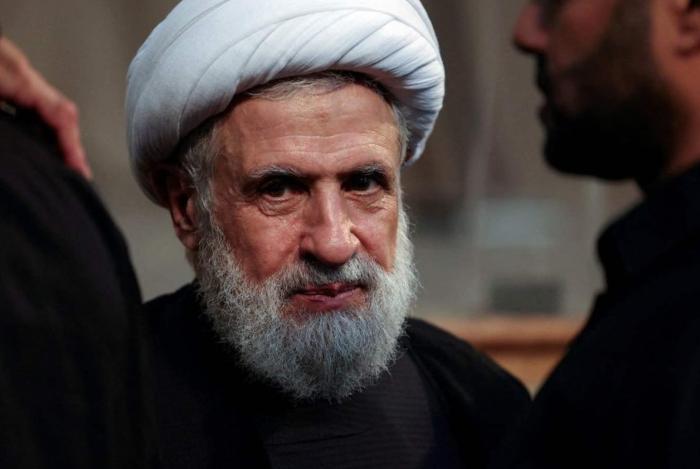
Hezbollah Secretary-General Naim Qassem Says No Ceasefire in Lebanon, Cites Israeli-American Aggression
15 sources compared
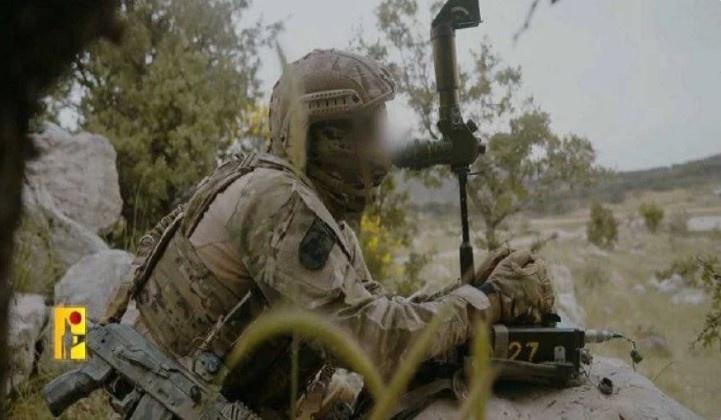
Hezbollah Vows to Thwart Lebanon-Israel Talks as Rockets and Drones Hit Israeli Troops
15 sources compared
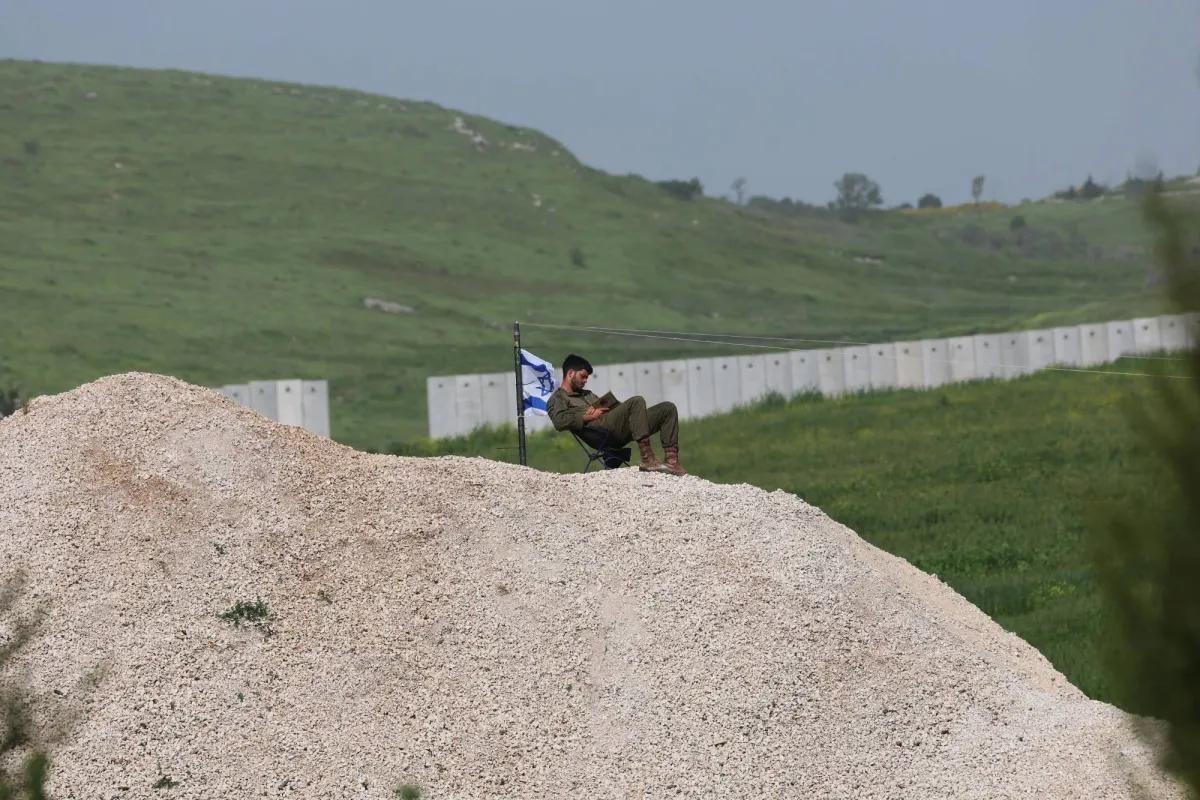
Israel Applies the Gaza Model in Southern Lebanon, Razes Towns and Villages Near Bint Jbeil
17 sources compared
Israeli Airstrikes Kill At Least 5 Civilians, Wound Others in Qana and Tyre
28 sources compared