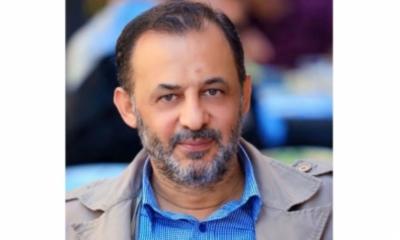
Hezbollah Secretary-General Naim Qassem Rejects Direct Talks With Israel, Cites Netanyahu and Trump
Key Takeaways
- Qassem rejects direct negotiations with Israel, endorsing indirect diplomacy.
- The outlets describe the stance as opposition to Lebanon's direct-talk plan.
- Coverage situates the dispute within a broader regional conflict and US-Israel dynamics.
Hezbollah rejects direct talks
Hezbollah Secretary-General Naim Qassem rejected again the notion of direct negotiations between Israel and Lebanon, arguing that such a move would amount to a political concession benefiting Prime Minister Benjamin Netanyahu and US President Donald Trump ahead of elections.
“Lebanon's Hezbollah leader, Naïm Qassem, reaffirmed his categorical opposition to any direct negotiations between Beirut and Israel”
In a statement, Qassem said, “We support indirect negotiation diplomacy,” but added that “as for direct negotiation, it is a free concession without fruits, and it serves Netanyahu […] and serves Trump before the midterm elections.”
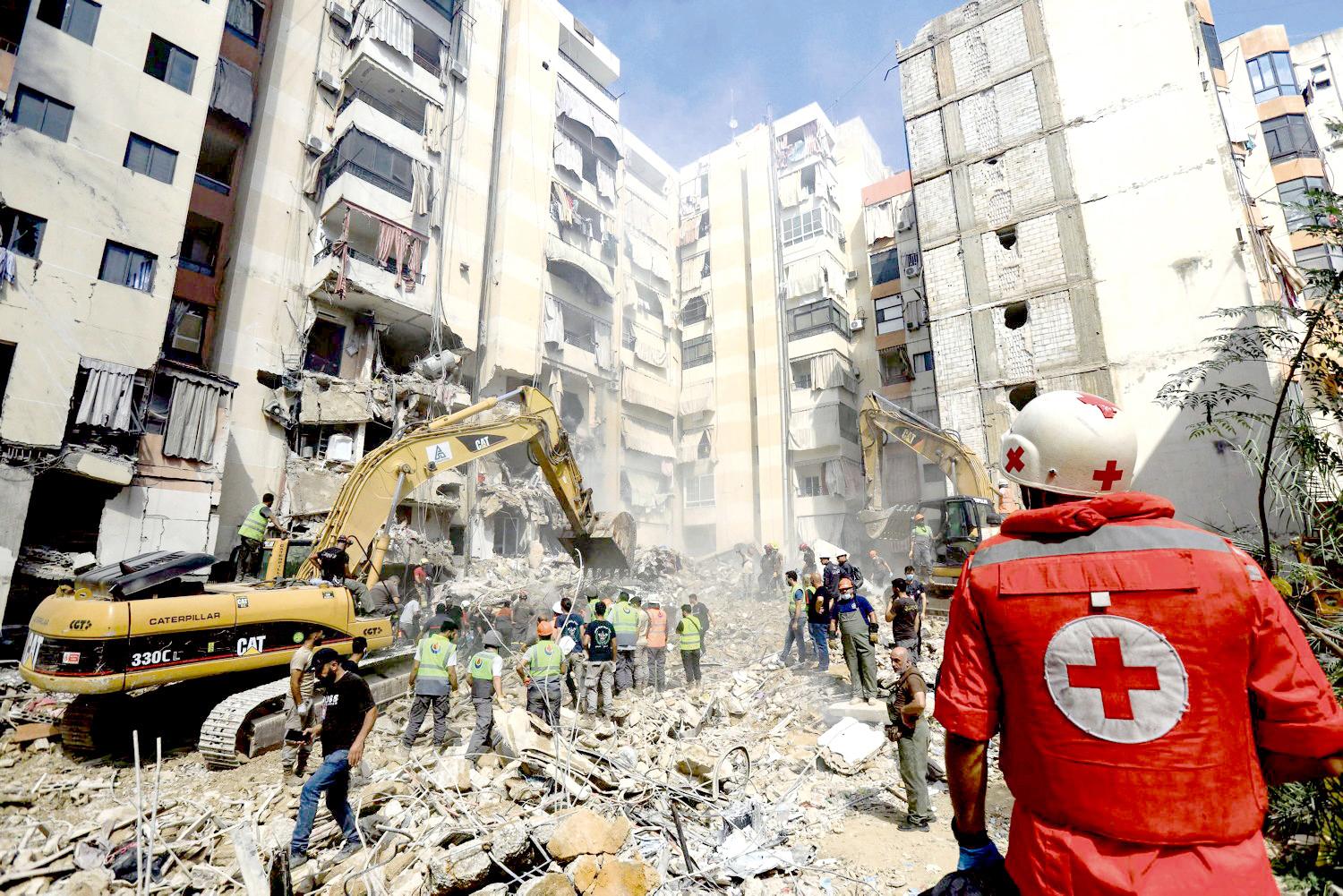
Qassem also accused Israel of systematically violating the ceasefire, claiming it had breached the agreement “more than ten thousand times,” and described the situation as “continuing Israeli-American aggression.”
He insisted that “Lebanon is the one being aggressed against” and argued that any diplomatic track must first halt hostilities, stressing that “the solution will not be surrender” and rejecting efforts to impose political or military arrangements on Lebanon under pressure.
The Jerusalem Post reported that the IDF said it began carrying out strikes on Hezbollah infrastructure in several areas across southern Lebanon over what it said were repeated ceasefire violations by Hezbollah.
In parallel, El Watan reported that Qassem reaffirmed his categorical opposition to direct negotiations between Beirut and Israel, warning of a “dangerous mistake” that could plunge Lebanon into “a cycle of instability.”
Ceasefire, strikes, and escalation
The dispute over talks unfolded while both sides described the ceasefire as fragile and contested.
El Watan said two rounds of indirect discussions, held in Washington at the ambassador level, led to an initial ten-day ceasefire that came into effect on April 17 and was then extended by three weeks, but “on the ground, however, the ceasefire remains fragile.”

The outlet reported that Israel continued its strikes, “notably in southern Lebanon,” while issuing evacuation orders in certain border zones, and it described Israel’s rhetoric of “the right of defense” as contained within the ceasefire framework.
Hezbollah, El Watan said, contested that clause by arguing it “empties the truce of its substance,” while continuing to claim sporadic attacks on Israeli positions and rocket fire toward northern Israel within a “defensive resistance” framework.
The Jerusalem Post added operational details, saying the IDF carried out strikes on Hezbollah infrastructure in several areas across southern Lebanon and that an urgent warning was issued to residents in several areas of southern Lebanon calling for immediate evacuation due to anticipated military activity against Hezbollah targets.
It also reported that the IDF said its troops killed 10 armed Hezbollah terrorists in a series of incidents over the past few days, after identifying them operating in close proximity to Israeli troops.
The Jerusalem Post further described an overnight Israel Air Force strike on Hezbollah infrastructure after an anti-tank missile was fired toward IDF troops, adding that “No injuries were reported.”
Statements from leaders and rivals
Multiple voices framed the same ceasefire and negotiation question from sharply different angles, with Hezbollah leadership emphasizing resistance and rejection while Lebanon’s president sought a ceasefire as a prerequisite.
“Hezbollah Secretary-General Naim Qassem on Monday dismissed again the notion of direct negotiations between Israel and Lebanon, warning that such a step would amount to a political concession benefiting Prime Minister Benjamin Netanyahu and US President Donald Trump ahead of elections”
El Watan reported that President Joseph Aoun insisted on the necessity of a ceasefire as a prerequisite to any negotiation and, on X, reiterated that Lebanon’s official position falls within the framework of American guarantees.
The outlet quoted Aoun directing arrows at Hezbollah, accusing it of serving foreign, namely Iranian, interests, and it included Aoun’s line: “What we are doing is not treason. Treason is the act of those who lead their country into war to serve foreign interests,” followed by a “barely veiled accusation of Hezbollah.”
El Watan also quoted Qassem saying, “We are continuing our defensive resistance for Lebanon and its people. We will not return to the pre-March situation. We will respond to Israeli aggression and we will face it.”
It added that Qassem promised, “Whatever the threats from the enemy, we will not retreat, we will not submit, we will not be defeated,” and claimed his movement’s capabilities were “inexhaustible.”
In the Jerusalem Post, Qassem similarly argued that “Lebanon is the one being aggressed against” and insisted that “the solution will not be surrender,” while rejecting “efforts to impose political or military arrangements on Lebanon under pressure.”
The “Yellow Line” dispute
A central point of contention in the reporting is Israel’s “Yellow Line,” which multiple outlets describe as a buffer-like zone inside Lebanon and which Hezbollah rejects as an unacceptable sovereignty violation.
El Watan said Israel seems determined to maintain a presence in a “buffer zone” along the border, often described as the “yellow line,” and it argued that this fits a logic observed in Gaza, “razing homes and moving populations to establish this zone.”
It stated that for Lebanon, this amounts to de facto occupation, and it asserted that “All told, since March 2, this war has killed at least 2,509 people and wounded more than 7,700 on the Lebanese side,” while also saying “16 Israeli soldiers have been killed” and “More than a million Lebanese have been displaced.”
In a separate interview, جريدة المغرب described the “Yellow Line” as “a virtual frontline created by the Israeli enemy inside Lebanese territory,” saying it is under “full Israeli fire-control” to prevent residents from crossing it or returning to their villages.
That outlet said the measure aims to entrench “a new occupying reality far from international norms,” and it quoted a political warning attributed to Lebanese Parliament Speaker Nabih Berri that “Lebanon cannot afford to have one meter” taken from it.
Naharnet provided a more specific geographic description, saying Israeli soldiers are occupying some 10 kilometers deep inside Lebanon’s border and that the “yellow line” marks the area where troops are operating, mainly south of the Litani river, including about 55 Lebanese towns and villages such as Bint Jbeil, Khiam, and Naqoura, where residents are not allowed to return to their homes there.
What comes next and what’s at stake
The reporting ties the negotiation impasse and the “Yellow Line” to broader stakes for Lebanon’s sovereignty and the future of the ceasefire, with warnings that the situation could escalate again.
“Lebanon's Hezbollah leader, Naïm Qassem, reaffirmed his categorical opposition to any direct negotiations between Beirut and Israel”
El Watan said Qassem believes Israel, with U.S. support, has bet on the destruction of the movement, pointing to “the date on which the Zionist state launched an aerial bombardment campaign across Lebanon” on September 23, 2024, and it quoted Qassem saying, “The enemy is at an impasse. This resistance is continuous, strong and cannot be defeated.”
It also cited a Hezbollah military source anonymously quoted by Al Jazeera speaking of a possible return to “1980s tactics,” including the deployment of suicide commandos in areas occupied by Israel in southern Lebanon.
In parallel, جريدة المغرب said the resistance rejects the “Yellow Line” and emphasized that “fragile” conditions remain “open to all possibilities as long as the occupation has not withdrawn from Lebanese territory,” adding that the line “will not pass.”
Naharnet framed the same rejection more directly, saying Qassem lashed out at Lebanon’s plan for direct talks with Israel and declared, “there are no yellow lines or buffer zones — and there won't be,” while also stating that “there is no ceasefire, but rather a continuing Israeli-American aggression.”
The Jerusalem Post reported that the IDF’s actions were tied to ceasefire violations, saying it began strikes on Hezbollah infrastructure and that it carried out precise strikes to eliminate the threat, including after an anti-tank missile was fired toward IDF troops.
More on Lebanon
Israeli Airstrikes Hit Southern Lebanon After Hezbollah Drone Explosion Injures Israeli Soldiers
20 sources compared

Hezbollah Drone Attacks Injure Five IDF Soldiers in Southern Lebanon, CBS Reports
35 sources compared

Hezbollah Chief Naim Qassem Says Lebanon-Israel Talks Must Be Limited to Mutual Security
14 sources compared
Israeli Drone Strikes Kill At Least Four In Meifdoun And Choukine, Nabatieh
11 sources compared