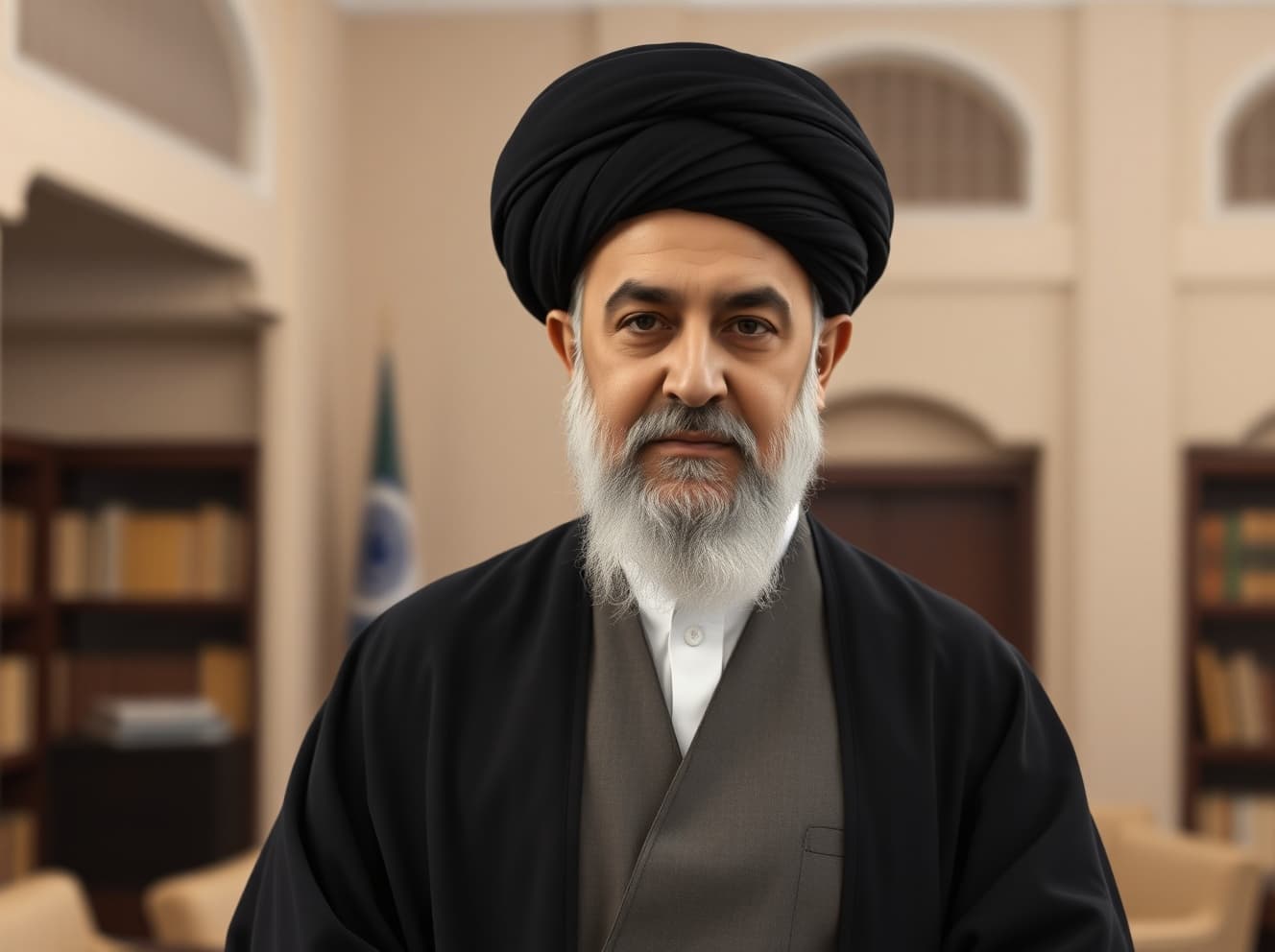
Historic Transition: Iran Elects Mojtaba Khamenei as New Supreme Leader
Iran Supreme Leader Succession
Iran's Assembly of Experts has elected Mojtaba Khamenei as the nation's new Supreme Leader following the passing of his father, Ayatollah Seyyed Ali Khamenei.
“TEHRAN, Iran – In a landmark decision with profound implications for the Middle East, Iran’s Assembly of Experts has elected Mojtaba Khamenei as the nation’s new Supreme Leader”
The article calls the decision a landmark transition and says it is only the third leadership change in the history of the Islamic Republic.
The Assembly, described as an 88-member body of senior clerics, announced the appointment after a decisive vote during a special closed-door session.
The Assembly said it followed the constitutional mandate guiding their selection.
The article notes the deliberations remained confidential but interprets the decisive vote as indicating strong consensus.
The transition is presented as confirming years of speculation about succession and as a critical moment for Iran's political stability.
Profile of Mojtaba Khamenei
The article profiles Mojtaba Khamenei as a 56-year-old cleric long considered a powerful behind-the-scenes operator who maintained a notably low public profile despite significant influence.
It says he has operated within Iran's power centers for over three decades and developed strong connections with several key institutions.
The article presents his elevation as a generational shift compared with his father, noting "56 versus 85 at his father’s passing".
The piece emphasizes that while the appointment signals ideological continuity, Mojtaba's public leadership approach and policy priorities remain untested.
The article says those priorities and his leadership style should become clearer through his initial appointments and statements.
Supreme Leader transition overview
The article reiterates the Supreme Leader's constitutional authority over Iran's executive, legislative, and judicial branches, his command of the armed forces, and his control of foreign policy.
“TEHRAN, Iran – In a landmark decision with profound implications for the Middle East, Iran’s Assembly of Experts has elected Mojtaba Khamenei as the nation’s new Supreme Leader”
It lists constitutional succession criteria including recognized religious scholarship (Ijtihad), political acumen, moral character, and public acceptance.
Immediate challenges the new leader will face include reviving nuclear negotiations around the JCPOA.
Other near-term challenges are managing regional proxy networks, mitigating economic sanctions, and addressing periodic domestic unrest.
Regional and global powers, international observers, and markets will scrutinize initial signals from the new leadership.
The article concludes that this leadership transition will influence Middle Eastern geopolitics and global energy markets for years to come.
Key Takeaways
- Assembly of Experts elected Mojtaba Khamenei as Iran's Supreme Leader.
- The election followed the death of his father, Ayatollah Seyyed Ali Khamenei.
- The transition marks only the third leadership change in the Islamic Republic's history.
More on Iran
NATO Shoots Down Second Iranian Ballistic Missile In Turkish Airspace
14 sources compared
Video Shows US Tomahawk Hit IRGC Base Beside Girls' School, Iran Says 168 Killed
11 sources compared

U.S. Missile Strike Massacres Iranian Girls' School in Minab, Investigators Say; Death Toll Disputed
11 sources compared

Iran's commanders and clergy rally behind Mojtaba Khamenei after Assembly approves him as supreme leader
13 sources compared