Gaza Genocide05 April, 20261 min read
Holy Week in Jerusalem Marked by War, Site Closures, and Rare Silence
This article is an automated aggregation of coverage from news outlets. Our editorials offer in-depth analysis curated by the NewsCord team.
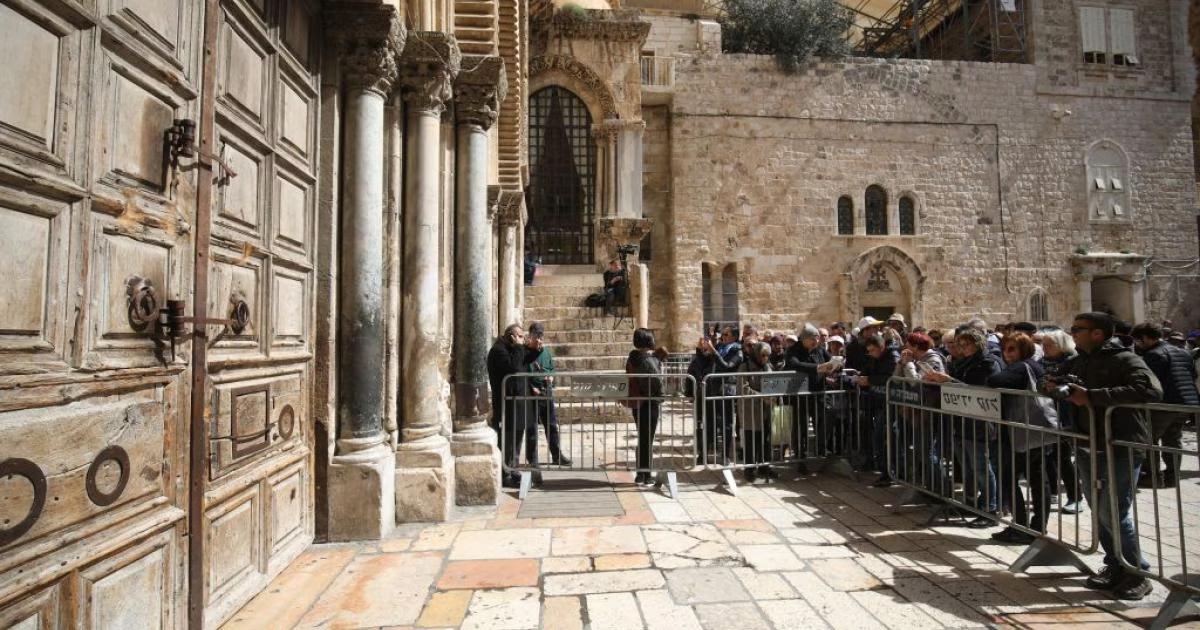
Unprecedented silence and deserted streets in the Old City during Holy Week. Access to Holy Sepulchre restricted; Palm Sunday ceremonies limited; some clergy blocked entering.
Empty Pilgrim Hospice
Jerusalem's Holy Week unfolded in unprecedented silence as the Austrian Pilgrim Hospice accepted a day-of reservation but warned they would be the only guest. The Old City was eerily empty amid wartime, with Israel closing holy sites citing security issues after the US-Israel war on Iran began. Limited access was permitted for some clergy, but Al-Aqsa Mosque remained completely closed.
Restricted Access and Court Appeal
Clergy held limited services amid wartime restrictions that prevented tens of thousands from participating. Up to 50 people were permitted at the Western Wall ceremony, a wartime departure from the usual crowds. Netanyahu reversed a ban on the Latin Patriarch entering the Church of the Holy Sepulchre after international outcry.
Shrinking Space for Worship
The Latin Patriarch described advancing amid empty streets and tightly controlled access. Israeli authorities justified restrictions based on security concerns and lack of bomb shelters. Shrapnel from intercepted Iranian missiles had landed nearby the previous weeks.
Economic and Cultural Impact
The prolonged closure has devastated businesses dependent on tourism and pilgrimage. Palestinian shop owners have been ordered closed, compounding hardships. One shop owner said before the war business was enough to feed yourself; now there is no business at all.