USA05 March, 20262 min read
House Narrowly Rejects Resolution To Halt President Donald Trump's Attacks On Iran
This article is an automated aggregation of coverage from news outlets. Our editorials offer in-depth analysis curated by the NewsCord team.
House narrowly rejected a war-powers resolution to halt President Trump's military actions against Iran Senate rejected a war-powers bid to curb Trump's Iran campaign, leaving administration freer to continue

War-powers votes on Iran
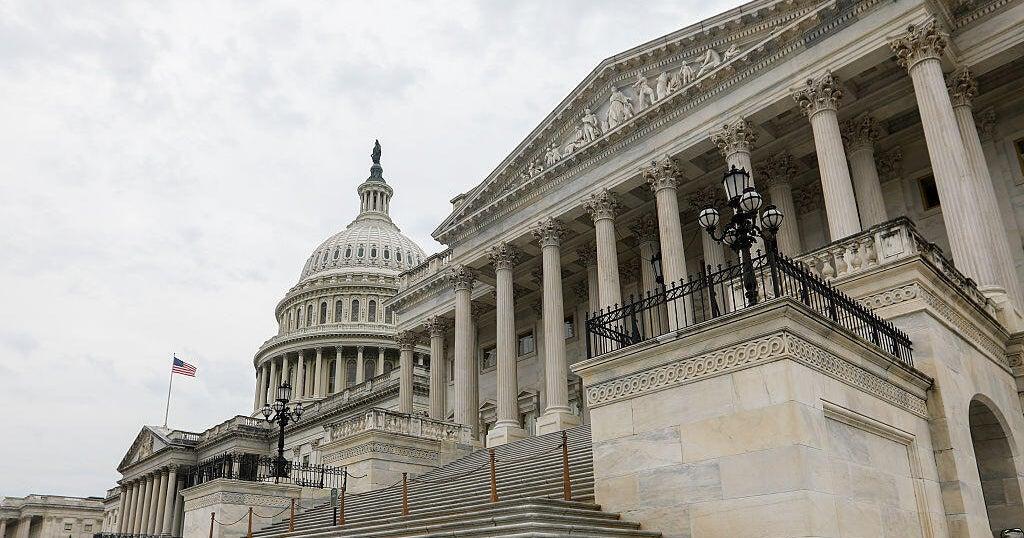
The House narrowly rejected a war-powers resolution aimed at stopping President Donald Trump’s military campaign in Iran, voting 212-219. The Senate had earlier defeated a similar measure along party lines. The Senate vote was 47–53 to reject a War Powers resolution that would have constrained the president’s authority.
“The House narrowly rejected a war powers resolution Thursday aimed at halting President Donald Trump’s attacks on Iran, voting 212-219, after the Senate defeated a similar measure along party lines a day earlier.”
That left Congress without the legislative restriction. Observers noted that any congressional effort to end the fighting would likely face a presidential veto.

Congressional split on strikes
The votes exposed a sharp partisan and intra-party split. Republicans largely backed the administration's operations, while many Democrats condemned the strikes as a unilateral 'war of choice'. A small number of Republicans publicly supported constraining executive war powers.
Some lawmakers publicly pressed the question of what constitutes a war and called unchecked executive military authority a 'moral hazard'. Other lawmakers defended the president's use of force.
Casualty reporting discrepancies
Coverage highlighted significant human and military costs but included conflicting tallies. Some reports cited more than 1,230 deaths in Iran connected to the campaign and noted U.S. casualties, including six service members killed in a drone strike in Kuwait.
“Lawmakers heard grim reports from the region: six U.S. service members were killed in a drone strike in Kuwait, thousands of Americans abroad scrambled for flights, more than 1,230 people in Iran have died, and Defense Secretary Pete Hegseth said the conflict could last about eight weeks.”
Other outlets gave different totals for Iranian deaths and reported that U.S. forces had struck thousands of targets. At the same time, some accounts cautioned that extraordinary claims in the reporting had not been independently verified.
War powers debate
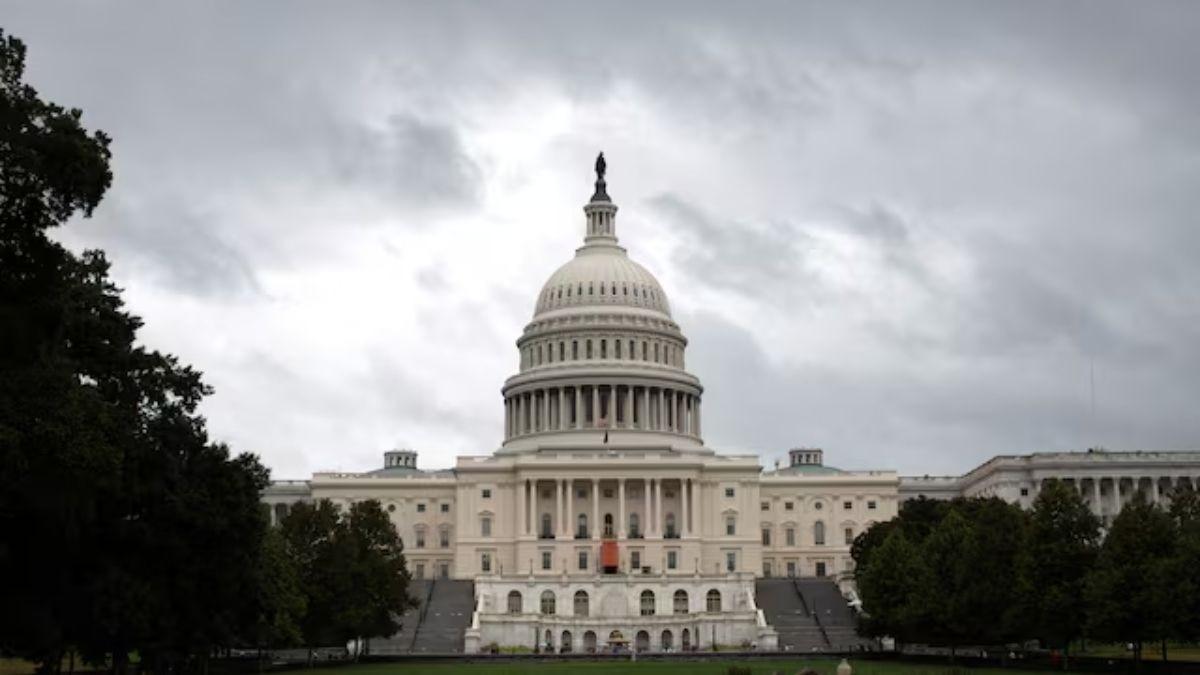
The votes and debate reopened a constitutional fight over war powers, with senators and representatives demanding briefings and answers even as administration officials defended the campaign in closed-door sessions.
Supporters in the administration argued the strikes were limited, aimed at rolling back threats rather than nation‑building, while congressional leaders warned of mission creep and questioned the lack of a clear exit strategy.
Uncertainties about the campaign
Beyond the Capitol, lawmakers and analysts flagged major uncertainties about the campaign’s duration, scope and next steps. Officials signaled that ground troops were being considered. Timelines ranged from an initial four- to five-week projection to an administration estimate of about eight weeks.
“U.S. officials are weighing sending ground troops to supplement an air campaign in Iran that has so far killed more than 1,230 people.”
There were warnings about regional escalation and strains on Americans abroad and global energy markets. Supporters said the strikes were intended to degrade Iran’s military capabilities. Opponents warned of further U.S. casualties and a widening conflict.