
House Narrowly Rejects Resolution To Halt President Donald Trump's Attacks On Iran
War powers vote on Iran
The House narrowly rejected a war powers resolution 212-219 aimed at halting President Trump's attacks on Iran.
“WASHINGTON (AP) — The House narrowly rejected a war powers resolution Thursday to halt President Donald Trump's attacks on Iran, an early sign of unease in Congress over the rapidly widening conflict that is reordering U”
The vote marked the second defeat of a similar measure after the Senate voted it down along party lines.
The close vote highlighted growing unease in Congress over a rapidly widening conflict.
It also raised constitutional questions about President Trump's decision to act without Congress.
Lawmakers debated the balance between executive action and congressional authority even as wider political and security implications unfolded.
Partisan vote on strikes
The vote split largely along partisan lines: Republicans largely backed Trump, framing the strikes as a legitimate response to a long-standing threat.
That partisan division reflected broader disagreements about the scope of presidential war powers and the proper congressional role in authorizing or constraining military operations overseas.
House vote on Iran
Despite rejecting the war powers limitation, the House approved a separate measure affirming that Iran is the largest state sponsor of terrorism, signaling congressional support for condemning Iran even while stopping short of curbing the president's authority.
“WASHINGTON (AP) — The House narrowly rejected a war powers resolution Thursday to halt President Donald Trump's attacks on Iran, an early sign of unease in Congress over the rapidly widening conflict that is reordering U”
Critics noted that a war powers resolution would have immediately limited the president's authority to continue military action unless Congress approved it, but such a measure would likely have faced a presidential veto.
Vote amid casualties, pressure
The vote occurred amid a fraught operational and human-cost backdrop: six U.S. service members were killed in a drone strike in Kuwait, thousands of Americans abroad scrambled to leave the region, and administration briefings sought to reassure lawmakers after a surprise attack and subsequent U.S. casualties.
Those developments intensified pressure on lawmakers to respond even as they questioned the administration's strategy and messaging.
Campaign timeline and goals
Uncertainty about the campaign's duration and objectives persisted.
“WASHINGTON (AP) — The House narrowly rejected a war powers resolution Thursday to halt President Donald Trump's attacks on Iran, an early sign of unease in Congress over the rapidly widening conflict that is reordering U”
Defense Secretary Pete Hegseth warned the conflict could last about eight weeks, a timeline longer than the president initially suggested.
Administration officials offered shifting rationales for the strikes, and Trump signaled involvement in selecting Iran’s future leadership.
Together, these factors underscored ongoing questions about strategy, oversight, and the potential for a protracted confrontation.
Key Takeaways
- House narrowly rejected a war-powers resolution to halt President Donald Trump's attacks on Iran
- Senate defeated a similar measure the previous day along party lines
- Votes signaled congressional unease over a rapidly widening conflict reshaping U.S. priorities
More on USA
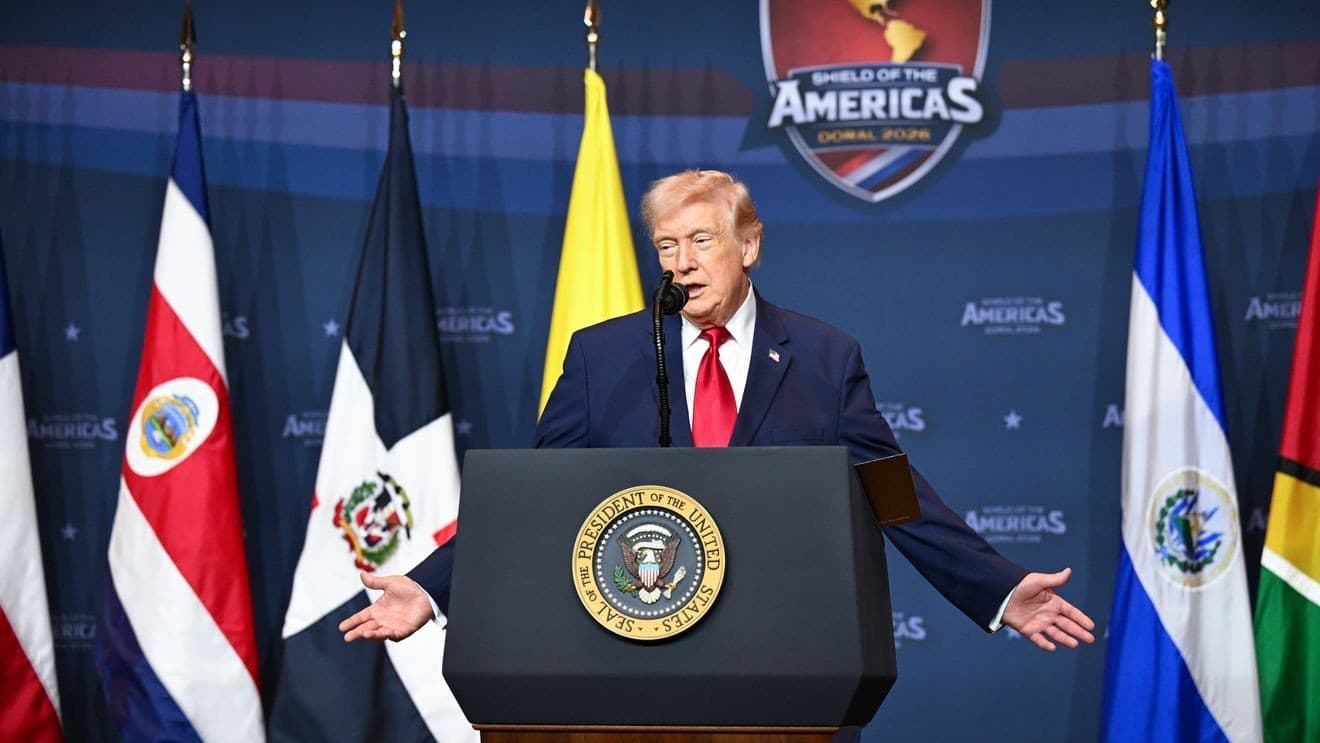
Trump Forms 17-Nation Coalition, Offers US Missile Strikes to Wage War on Cartels
16 sources compared
President Donald Trump Joins Families as Six U.S. Soldiers' Remains Return
10 sources compared

Trump Convenes Latin Leaders at 'Shield of the Americas' Summit, Names Kristi Noem Special Envoy
21 sources compared
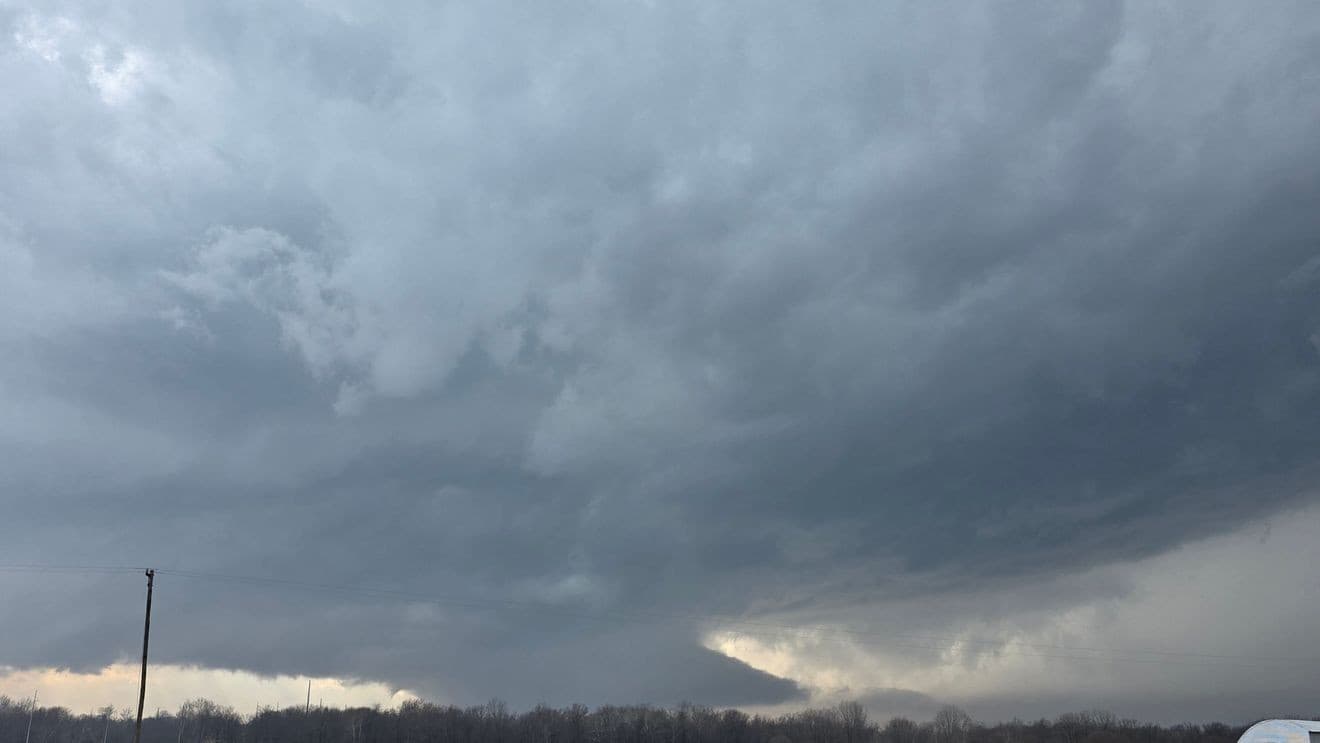
Tornado Rips Through Southwest Michigan; Some Reports Say Four Dead, Others Say Six
27 sources compared