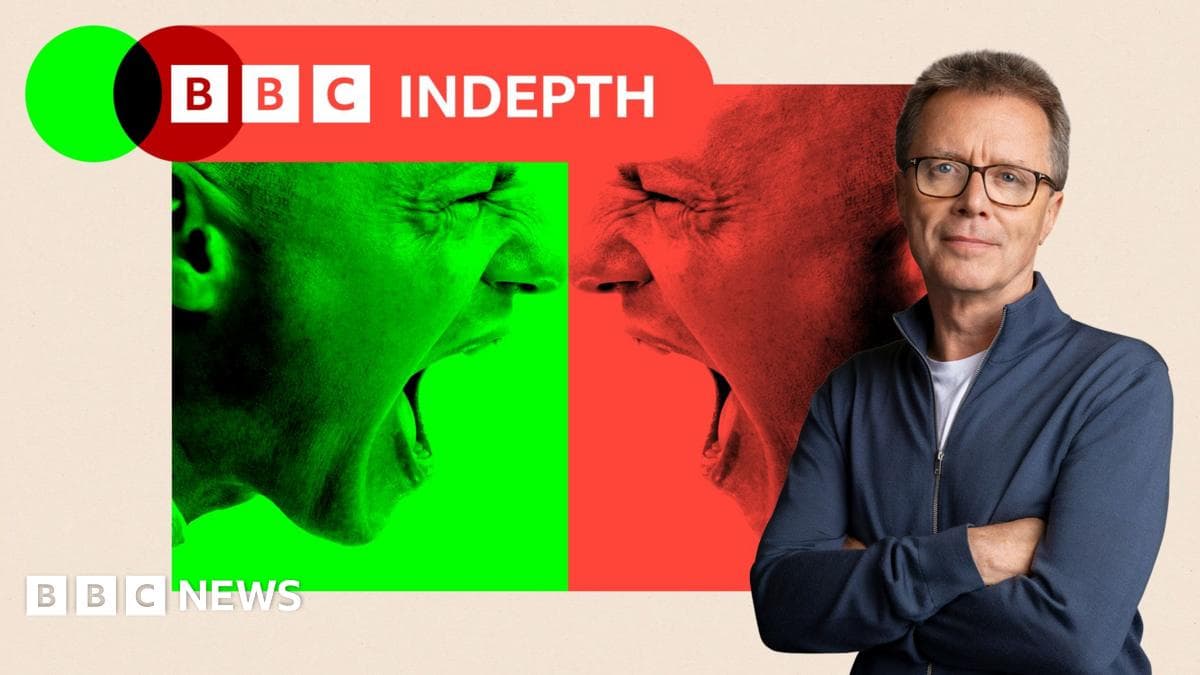
How I've learned that certainty is the thing to really fear
Shift in British public debate
The writer argues that certainty has become a national curse and pandemic.
“Certainty is a curse of our age”
That argument is drawn from five decades presenting television debates and radio phone-ins and daily contact with ordinary British people.
They trace a shift from deferential broadcasting to a combative, tribal public sphere.
They note BBC Nottingham's 1968 launch of What Are They Up to Now? as an early phone-in.
They say that since 1997 they have hosted 'the Nations Phone-in' on Radio 5Live.
The writer describes callers ranging from complaints about pot holes to Pol Pot.
They say Brexit was an inflection point that hardened debate.
They recall hearing the phrase 'People like you' from callers on both sides as an example of rising personal hostility.
Social media polarisation
The writer draws on social-psychology research to explain this polarisation.
They quote Prof Sander van der Linden of the University of Cambridge, who says people increasingly dislike those in the opposing camp, a phenomenon scholars call 'affective polarisation'.
They describe 'complexity phobia' as an aversion to facts that challenge comforting narratives.
The article cites a 2020 computer model by Linden and colleagues that analysed more than two million posts by American politicians and major media outlets on Facebook and X (then known as Twitter) and found that negative, demonising language best predicted engagement.
It references a 2023 eye-tracking study that found people's eyes dwelt longer on angry, emotive social media content.
Linden also notes that traditional media has a long-standing 'negativity bias,' which social platforms have amplified.
Polarised debate and controversies
The writer gives concrete examples of how polarised debate plays out and sometimes fractures into something productive.
“Certainty is a curse of our age”
They acknowledge that producers often stage a "good row" for ratings.
They describe rare moments when opinions change in real time, for example when a participant in a debate on sperm donation softened her stance as arguments unfolded.
The writer notes they have a personal interest in that sperm donation debate because they were adopted.
They recount a The Big Questions episode in which a man from a proscribed organisation suggested repurposing old stadia for "public punishments and executions."
That suggestion provoked screams and left him "crestfallen," illustrating how social-media echo chambers can make extreme ideas seem mainstream.
On controversies about historical figures, the writer highlights Hinchingbrooke School's recent decision to rename a house formerly named after Samuel Pepys to Lady Olivia Bernard Sparrow.
The writer quotes the school's email saying Pepys's behaviour "includes actions that were harmful, abusive and exploitative, especially in his relations with women."
They note the backlash led by Andrew Doyle in the Washington Post.
Art-versus-artist debate
The writer examines the art-versus-artist debate and uses Michael Jackson as a "prime example."
They summarise the Leaving Neverland allegations and Jackson's denials while stressing the issue's complexity and personal conflict.
The writer admits discomfort, references personal school experiences and the late friend Allan Robb, and says that they still sometimes listen to Jackson's music.
They say that flashes of understanding still occur but far less often than before and attribute much of the current stridency to a coalescence of social media with a fraught world.
They conclude emphatically that certainty is dangerous, a point about which they say they are themselves "certain."
Key Takeaways
- Author describes certainty as a pandemic and curse of the age
- Author presented television debates and radio phone-ins for five decades
- Daily conversations with ordinary British people provided rare insight into national psyche
More on Britain
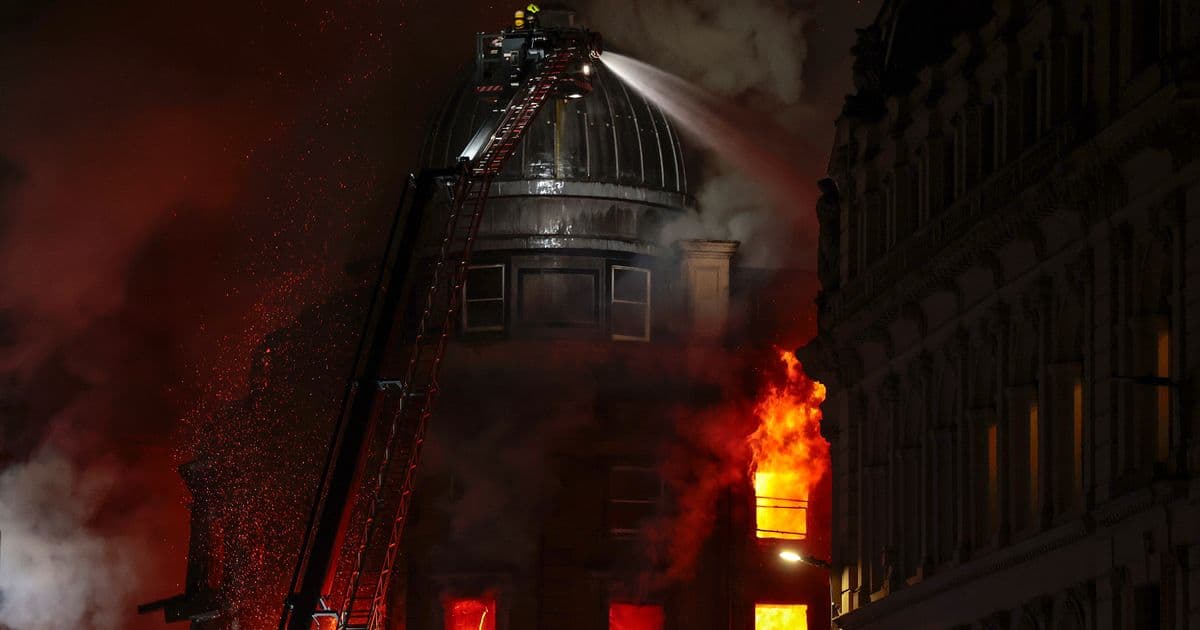
Vape Shop Fire Destroys Historic Glasgow Building, Forces Closure of Scotland's Busiest Station
24 sources compared

Vape Shop Blaze Collapses Building, Shuts Glasgow Central and Halts Train Services
25 sources compared
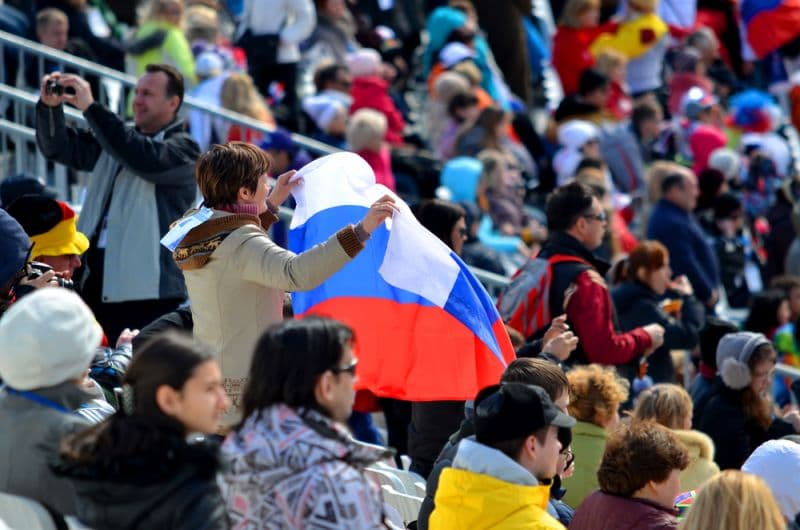
UK Government Boycotts Opening Ceremony After IPC Allows Russian, Belarusian Flags
13 sources compared
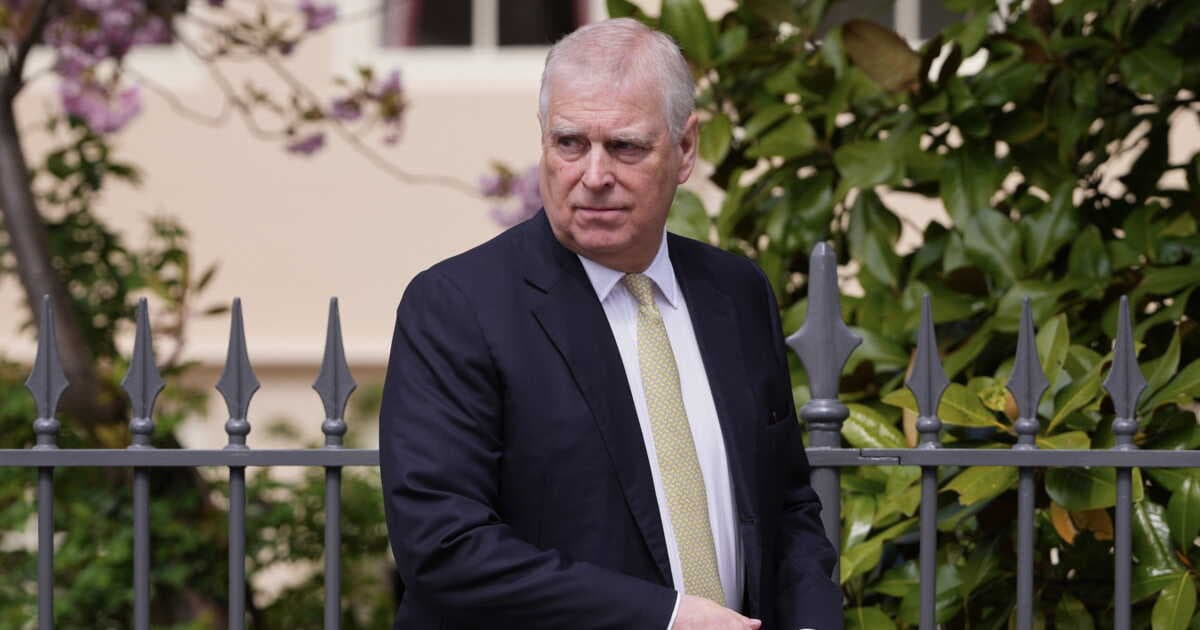
Canadian Prime Minister Mark Carney Calls To Remove Former Prince Andrew Mountbatten-Windsor From Royal Succession
13 sources compared