How the 'red v blue school wars' exposed the social media gap between children and parents
Key Takeaways
- Teachers positioned themselves on streets around Southwark and Croydon schools to supervise pupils
- Schools cancelled after-school detentions so pupils could get home earlier
- Social media-fuelled clashes revealed a digital awareness gap between pupils and their parents
School 'red v blue' posts
Friday February 27th should have been like any other day at secondary schools in Southwark and Croydon.
“Friday February 27th should have been like any other day at secondary schools in Southwark and Croydon in south London”
Instead, large numbers of teachers positioned themselves on streets as pupils went home, some after-school detentions were cancelled, and police officers with dispersal orders were deployed.
The prompt was a series of social media posters calling for 'red v blue' wars between schools.
They appeared to begin circulating on TikTok and Snapchat and were later copied in Bristol, Cardiff and the West Midlands.
The posters, half red and half blue and often showing people in balaclavas, weapons and lists of school names, appeared to be designed to encourage confrontations.
In practice the fights did not materialise.
The Metropolitan Police say no actual violent incidents related to the posters have been reported.
Origins and spread of posts
The origin of the posts is murky.
Several TikTok accounts and other people tracked by the BBC said they believed the images were made by local teenagers, while some of the posters appear to have been created using AI.
Accounts thought to be behind the posts were subsequently banned, making attribution harder.
Insiders and researchers told the BBC the trend saw only a modest reaction among young people at first and gained traction after being shared in parent WhatsApp and Facebook groups.
Teenagers in comment sections joked about the sides and said they often first heard of the posts from parents.
Professor Sander Van Der Linden warned that in-group versus out-group psychology is exploited by algorithms and cited a 2021 study showing that "Each additional word referring to the 'other side' increased the odds of a social media post being shared by 67%."
Marc Burrows described the posts as having layers of lore that make them legible to the generation that created them but impenetrable to outsiders.
Online scare and response
The Metropolitan police arrested a 15-year-old and a man in his twenties in east London on suspicion of "encouraging or assisting in a crime" and bailed them pending further enquiries.
“Friday February 27th should have been like any other day at secondary schools in Southwark and Croydon in south London”
The force could not confirm if they were linked to the original posters.
The BBC reports that schools, teachers and some parents pressured police to act and that some pupils were kept off school.
At the same time, the piece frames this as a phantom or pseudo-phantom trend in which adult and media reaction amplified a largely limited online phenomenon.
The article cites past examples such as the Momo Challenge, Slender Man and other viral scares to show how panic can propagate a meme into the real world.
Experts quoted urge education about online manipulation, practising "critical ignoring", creating simulated feeds for teens and more proactive moderation by platforms.
Snap and TikTok told the BBC they removed content, blocked searches and cooperated with police.
More on Britain

DoJ Releases Photos of Former Prince Andrew, Peter Mandelson in Bathrobes With Jeffrey Epstein
13 sources compared
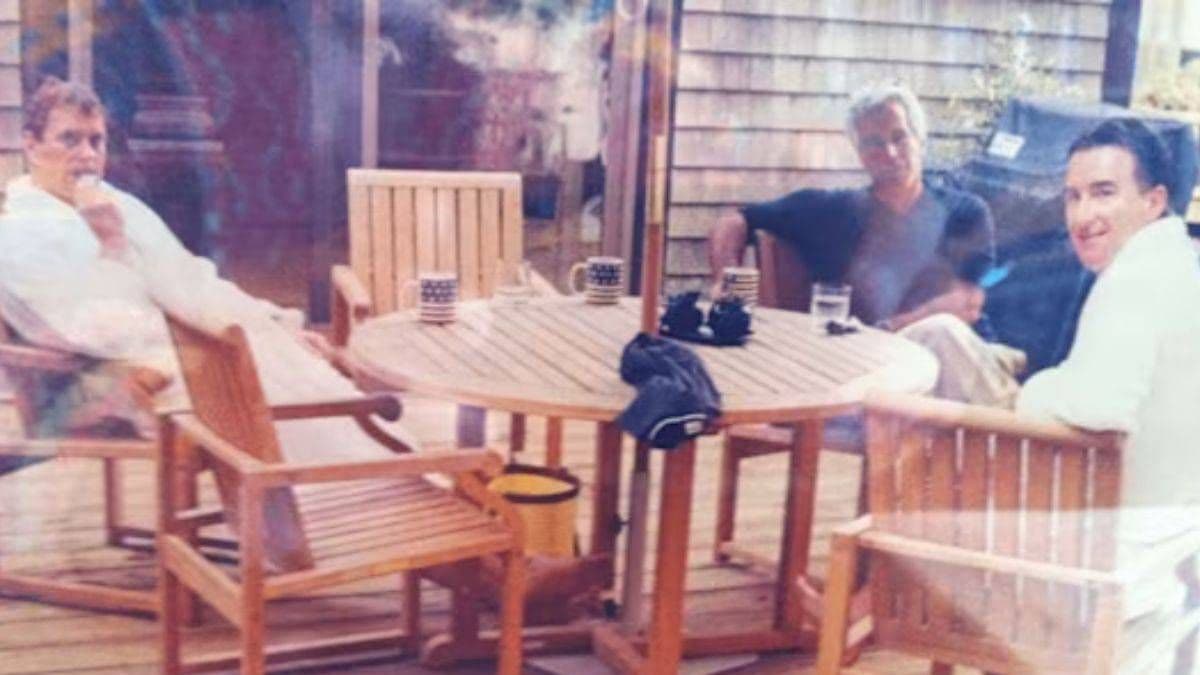
DOJ Releases First Known Photo Showing Andrew Mountbatten-Windsor and Peter Mandelson With Jeffrey Epstein
17 sources compared
Jonathan Powell Warned Prime Minister Keir Starmer About Mandelson’s Ties To Jeffrey Epstein, Documents Show
16 sources compared

Prime Minister Keir Starmer Ignored Warnings and Appointed Epstein Pal Peter Mandelson as U.S. Ambassador
50 sources compared