
Hungarian Opposition Leader Péter Magyar Files Police Report, Alleges Government Used Secret Services to Illicitly Record 2024 Sex Tape to Blackmail Him
Key Takeaways
- Péter Magyar filed a police report alleging illicit recording of a 2024 sexual encounter
- He accused the Hungarian government of orchestrating the recording to blackmail and undermine his campaign
- Incident allegedly occurred in August 2024 after a party, involving his ex-girlfriend luring him
Magyar blackmail allegation
Péter Magyar, identified by sources as the leader of the opposition Tisza Party, filed a police report alleging a secretly recorded video of a consensual sexual encounter was made in August 2024 and is being used to blackmail him ahead of Hungary’s parliamentary election.
“Peter Magyar is ahead in the polls with less than two months to go before elections Less than two months before Hungary's election, opposition leader Peter Magyar has accused his rivals of planning to blackmail him with a secretly recorded sex tape, and says he is filing a complaint with authorities”
Euronews reports Magyar filed a police report saying a video was secretly recorded of a consensual sexual encounter with an ex-girlfriend and that he accused the ruling Hungarian government of orchestrating the recording to damage his campaign.
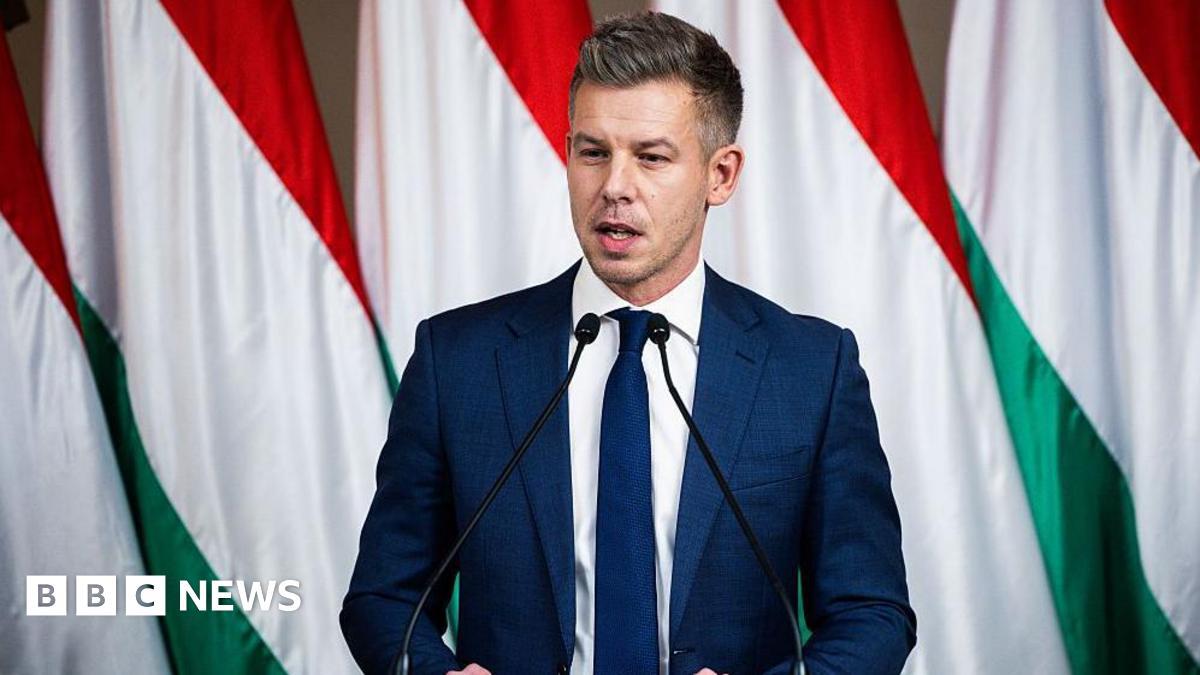
The BBC reports he accused his rivals of planning to blackmail him with a secretly recorded sex tape and that he said he will file a complaint with authorities.
The European Times places the controversy inside a highly polarised campaign environment after reporting a prominent international endorsement that intensified the campaign’s message-driven nature.
Alleged recorded encounter claims
Euronews reports specific details of Magyar's allegation: he says the encounter occurred after a party in August 2024 when the woman allegedly "lured him to a Budapest flat" and that the encounter was filmed using "secret service means" in a so-called "honey trap" operation.
The BBC similarly notes the tape would date from August 2024 and involve "consensual sex with a now ex-girlfriend at a party," and adds that "a photo of a bedroom from that time was recently posted online."
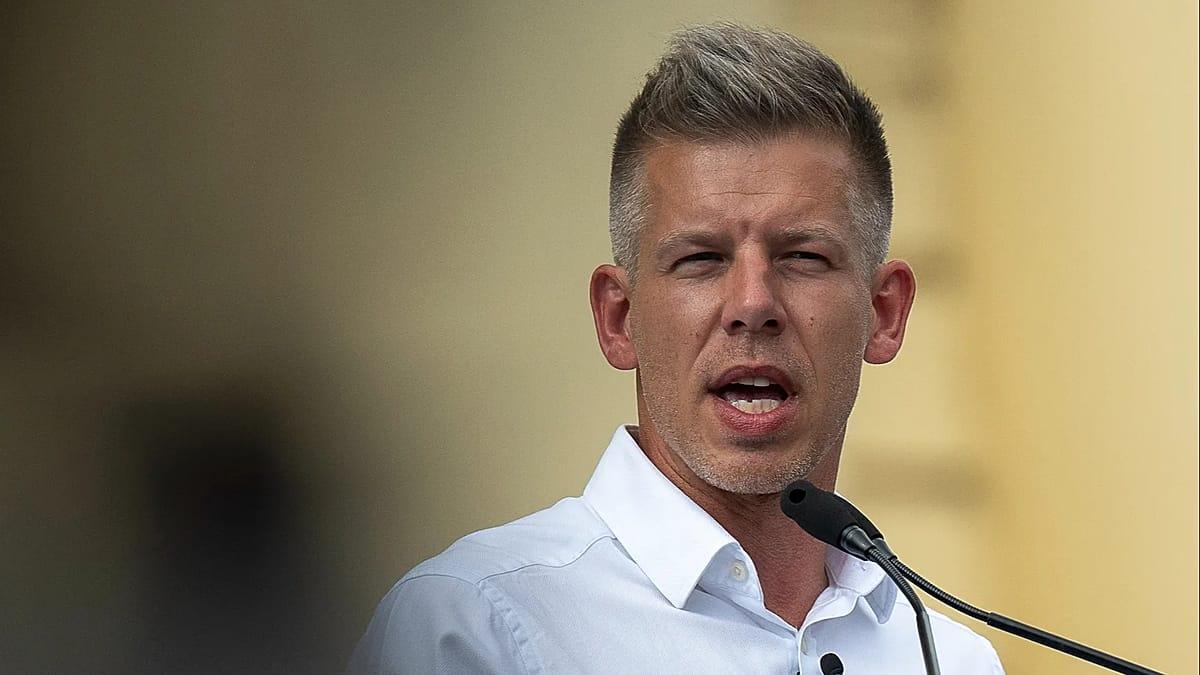
The European Times does not recount these details but underscores the broader campaign context in which such revelations are emerging.
Legal and media coverage
Euronews sets out the legal accusations Magyar included in his complaint, listing alleged offences the report says are cited: “unauthorised secret information collection, unauthorised use of a concealed device, and misuse of personal data.”
“Europe Hungarian opposition leader Peter Magyar has accused his political rivals of planning to blackmail him with a sex tape from 2024, just weeks before the upcoming election in Hungary”
The BBC confirms Magyar’s plan to take the matter to authorities but reports less on the legal specifics and frames the development as an accusation of blackmail attempts with a secretly recorded sex tape.
The European Times, while not listing these charges, provides evidence of the wider internationalised political backdrop, citing the Trump endorsement as a factor that sharpened the campaign’s message-driven dynamics.
Election context and endorsements
All three sources place the allegation against a tense political backdrop.
Euronews and the BBC highlight the timing ahead of the April parliamentary elections.
Both note that Magyar is polling ahead of Viktor Orbán’s party; Euronews writes "recent polls show his party ahead of Viktor Orbán’s Fidesz" while the BBC says he is "polling ahead of long-time Prime Minister Viktor Orbán."
The European Times adds an international dimension by reporting that U.S. President Donald Trump publicly endorsed Prime Minister Viktor Orbán on 13 February 2026.
It says this endorsement is "intensifying an already highly polarised, message-driven campaign," a detail not mentioned by Euronews or the BBC.
Coverage of Magyar allegation
The sources differ in tone and scope.
“Péter Magyar filed a police report on Thursday concerning a video allegedly recorded without his knowledge during a sexual encounter with his ex-girlfriend, accusing the Hungarian government of orchestrating the incident to undermine his political campaign”
Euronews uses strongly worded language attributed to Magyar, calling the allegation an "unprecedented attempt" and describing an operation using "secret service means," and it supplies legal specifics.
BBC presents the accusation and the planned complaint more succinctly and neutrally, noting the tape’s alleged date and a bedroom photo posted online.
The European Times does not provide incident details but flags campaign polarisation after an international endorsement.
None of the snippets provide independent verification of the recording or the alleged government involvement.
The articles report Magyar’s claims and place them in political context, leaving confirmation and investigation to authorities.
More on Europe

Beran A Pleads Guilty to Plotting Taylor Swift Concert Attack in Vienna
21 sources compared

SIPRI Says Global Military Spending Reaches Nearly $2.9 Trillion in 2025
11 sources compared

Pentagon Email Suggests Suspending Spain From NATO, NATO Says No Treaty Mechanism
18 sources compared

Russia Suspends Kazakh Oil Transit to Germany via Druzhba Pipeline Starting May 1
13 sources compared