Europe12 April, 20261 min read
Hungarians Vote Record Turnout as Orbán Faces Tough Challenge From Péter Magyar
This article is an automated aggregation of coverage from news outlets. Our editorials offer in-depth analysis curated by the NewsCord team.
Turnout reaches a record 74.23% mid-afternoon as voting continues. Orban faces his toughest election challenge after 16 years in power.
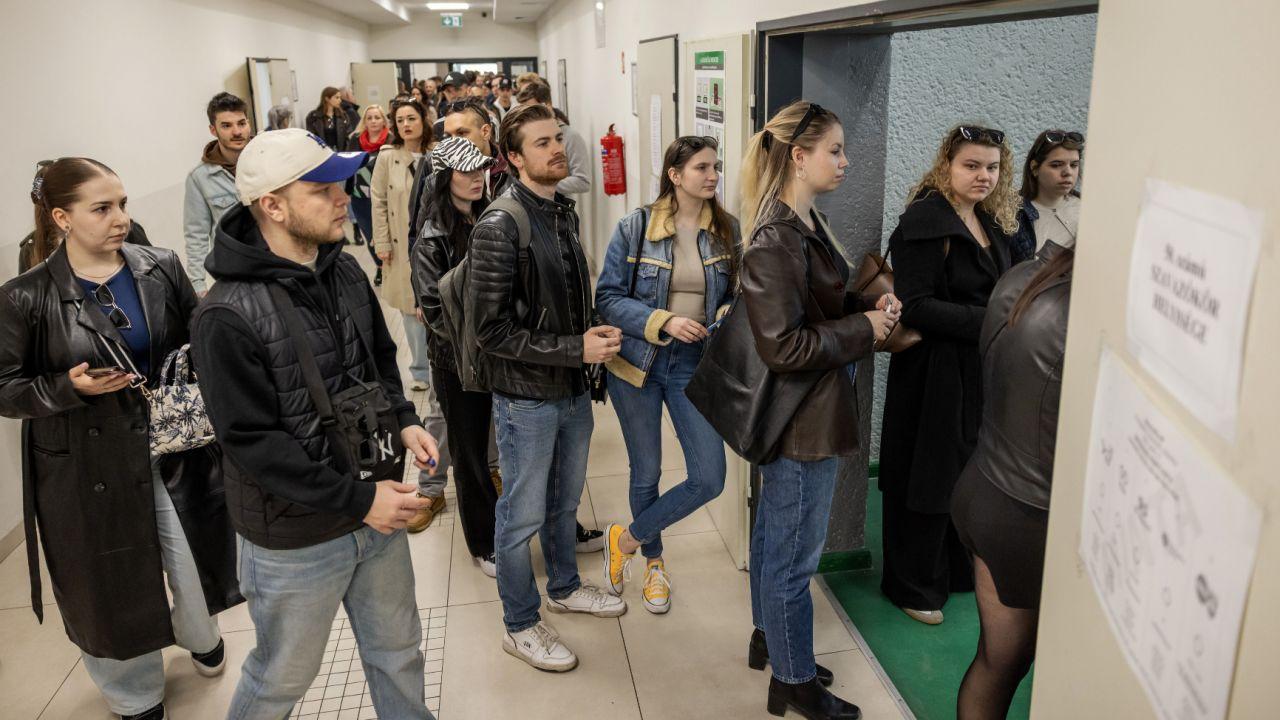
Record Turnout
Hungary's parliamentary election saw a record voter turnout of 74.23% by 5 p.m., surpassing all previous post-communist elections. The election pits Orbán's nationalist Fidesz party against the insurgent center-right Tisza party led by Péter Magyar. Polls suggested Tisza was leading by 7 to 9 percentage points.
Orbán framed the election as a choice between war and peace, warning Tisza would drag Hungary into the Russia-Ukraine war. The high turnout reflected the election's high stakes amid economic stagnation and widespread fatigue with Orbán.
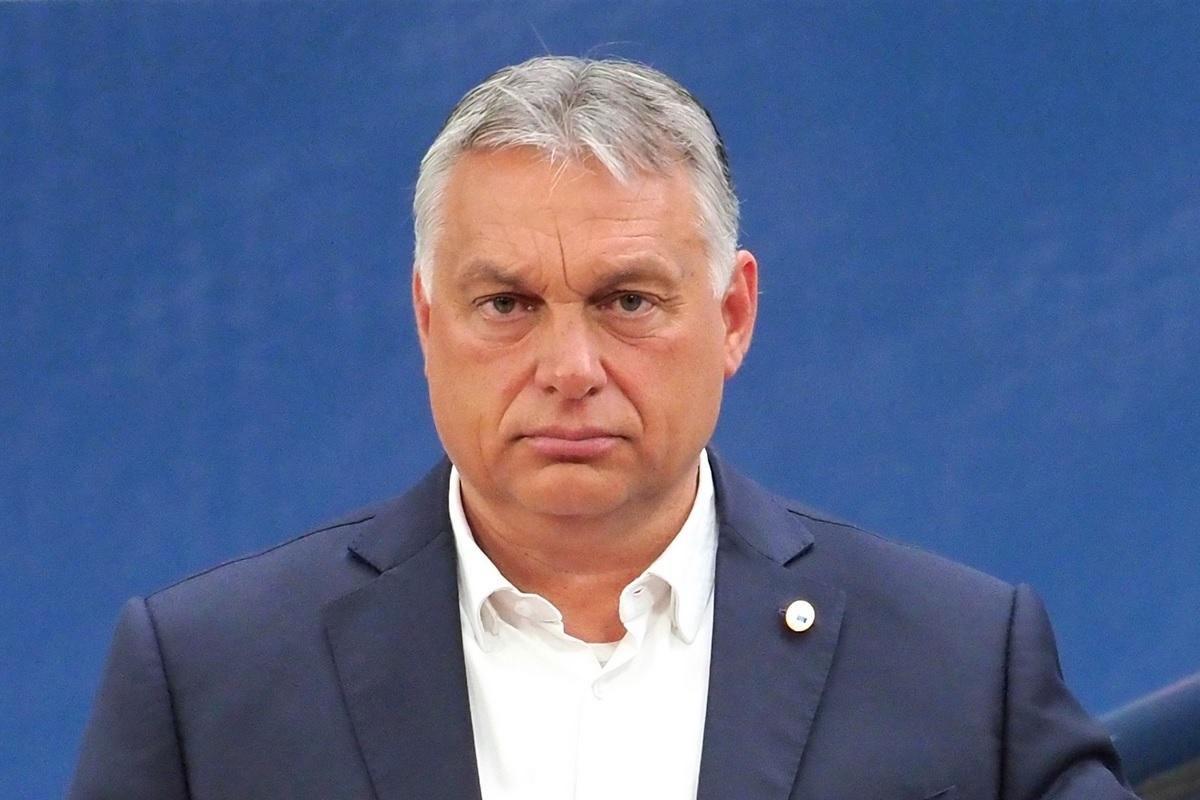
Opposition Surge
Péter Magyar's Tisza party surged as a credible challenger to Orbán's 16-year rule. Magyar framed the vote as a choice between East and West, propaganda or honest public discourse, corruption or clean public life. The opposition promised to unblock frozen EU funds and restore rule of law.
Magyar stopped short of breaking with core Fidesz policies on Ukraine. The election exposed deep divisions within Hungary's ethnic Hungarian diaspora.

Fraud Accusations
Both camps exchanged accusations of electoral fraud. Orbán supporters set up their own monitoring groups alongside hundreds of international observers. The opposition organized a 2,400-strong network to document fraud.
A documentary alleged widespread vote-buying in favor of Fidesz. The tense atmosphere underscored deep polarization and mistrust.
International Implications
The election carried outsized significance beyond Hungary's borders. Orbán has been blocking €90 billion in aid to Ukraine and maintaining warm ties with Moscow. The vote was closely watched in Brussels, Washington, and Kyiv.
An opposition victory could unblock frozen EU funds. Watchdogs warned the contest may be free but not fair.
