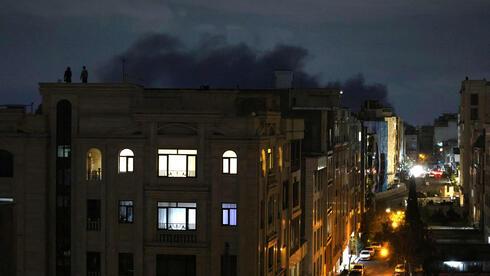
IDF Launches Third Wave Strikes Across Tehran, Kills SPND Research Head In Borujerd
Key Takeaways
- IDF completed a third wave of strikes targeting Tehran's infrastructure.
- Strikes hit Parchin near Tehran, plus Tabriz and Isfahan.
- Senior nuclear program official killed in the strikes.
Third-wave escalation in Tehran
Reports place strikes in the Parchin area near Tehran, plus Tabriz and Isfahan.

Iran’s ISNA reported an airstrike on a water reservoir in Haftkel, Khuzestan.
CGTN summarized the development as an additional wave of strikes targeting infrastructure sites of the Iranian regime across Tehran.
SPND head killed
The wave coincides with reports that Ali Fouladvand, head of research at SPND, was killed along with members of his family in an airstrike in Borujerd.
Fouladvand had previously survived an earlier attack during a 12-day conflict last year, in which his wife Masoumeh Pirhadi was killed.
Iranian state media described Fouladvand as an ordinary citizen in reporting his death, despite his role in the organization.
He was sanctioned by the U.S. State Department in October 2025.
Casualty narratives and sanctions
Iranian casualty reporting shows a mismatch: state media described Fouladvand as an ordinary citizen even as Iran International identified him as SPND head.
“Strikes were reported in several areas, including the Parchin area near Tehran, as well as in Tabriz and Isfahan”
The discrepancy signals how Iranian authorities frame high-profile casualties differently from external observers.
The US State Department had sanctioned Fouladvand in October 2025, adding a layer of geopolitical context to the incident.
The wave of strikes and the targeting of a research director suggest a broader strategic pressure on Iran's defense sector.
Implications for escalation
The incident underscores how a single high-profile strike can reshape Iran's response calculus, with SPND personnel as potential targets and infrastructure as a battleground.
Analysts should watch for further escalation in West Asia as the IDF positions itself for additional waves and Tehran's defense research sector faces attrition.
Context from CGTN and other sources shows a pattern of Western pressure and Iranian counter-narratives shaping public perception of casualties, not only the military action itself.
More on Iran

Iran Allows 20 Pakistani-Flagged Ships Through Strait Of Hormuz
14 sources compared
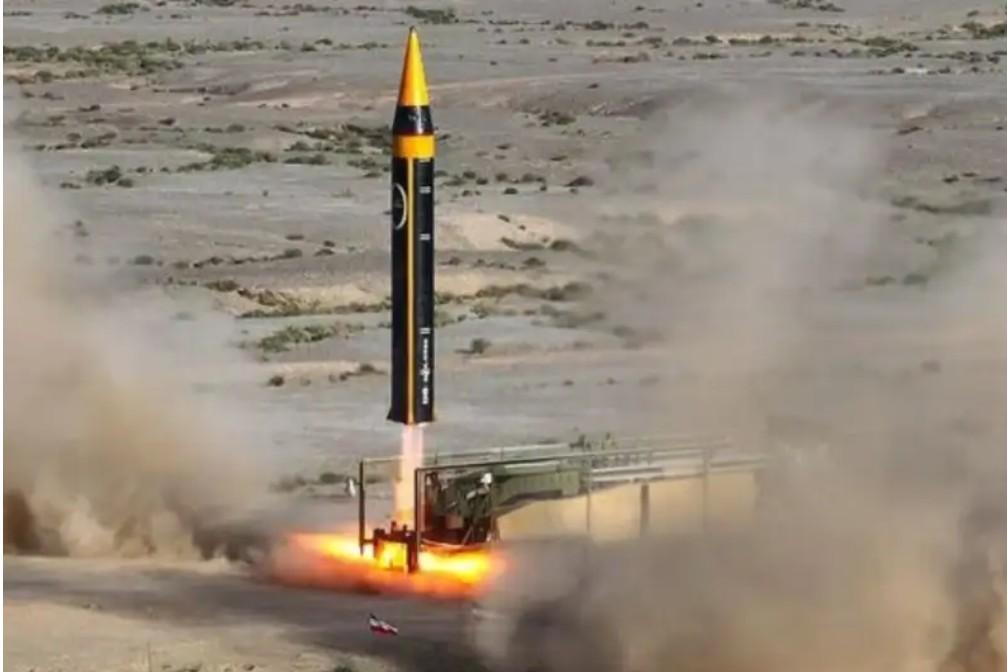
Houthis Formally Enter Iran-Israel War By Firing Missiles And Drones At Israel
16 sources compared
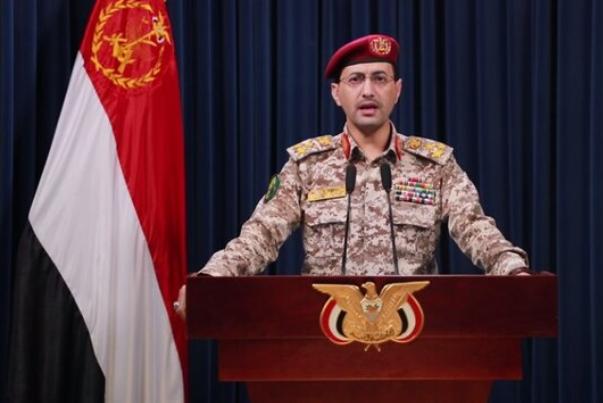
Houthis Launch First Missiles At Israel, Joining Iran War And Threatening Red Sea Routes
75 sources compared

Pentagon Plans Weeks-Long Ground Operations In Iran
21 sources compared