
India Cuts ₹10 Per Litre Excise Duty On Petrol, Imposes Diesel And ATF Export Taxes
Key Takeaways
- India lowers fuel taxes to shield consumers from rising energy prices amid West Asia crisis.
- Excise on petrol and diesel reduced by ₹10 per litre to cushion OMCs.
- No lockdown planned; government denies rumours amid West Asia crisis.
New tax cuts shield consumers
India’s most consequential new development amid the West Asia escalation is a targeted fiscal maneuver to shield consumers from a volatile energy market: the government slashed petrol and diesel taxes and began exporting duties to preserve domestic supply, effectively letting the state absorb part of the cost.
“India has lowered fuel taxes in a bid to protect consumers from rising global energy prices – a result of the United States and Israel’s war on Iran”
The core move is a ₹10-per-litre reduction in Special Additional Excise Duty on petrol and diesel, which brings petrol duties down to ₹3 per litre and eliminates the diesel levy, alongside new export taxes on diesel and aviation turbine fuel to safeguard domestic availability.

As the West Asia crisis has pushed crude toward $100+ per barrel, authorities insist the aim is to prevent abrupt price spikes for Indian motorists while maintaining a steady fuel supply.
The government says it will bear the burden so that the public does not face any difficulty or shortage of petrol, diesel, and LPG.
Plan mechanics & market response
The plan’s specifics extend beyond the headline cuts: diesel exports face a new levy, with export taxes designed to temper domestic price pressures, and aviation fuel (ATF) taxes also set to deter overseas pricing from spilling into domestic markets.
The Hindu notes a diesel export tax of ₹21.5 per litre and an ATF export tax of ₹29.5 per litre, while the government signals that oil marketing companies (OMCs) will need relief as input costs stay elevated; Nayara Energy has already raised pump prices—petrol by ₹3 per litre and diesel by ₹5 per litre—in response to global pressures.
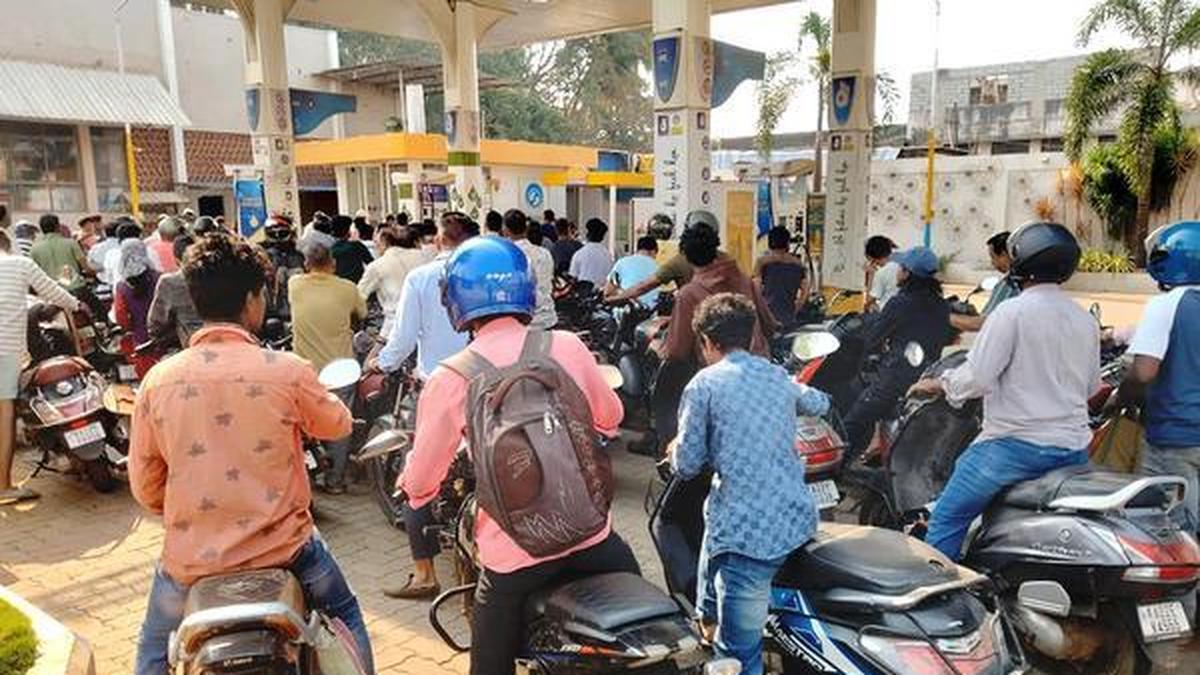
Authorities frame these steps as a balancing act: curb domestic price shocks while keeping supply uninterrupted, even as some private retailers begin passing higher costs through to customers.
Context of the West Asia surge
Context matters: the West Asia crisis is driving price volatility, and India’s policies are framed as a shield against spillovers rather than a collapse of price discipline.
“Hardeep Singh Puri rubbishes rumours of lockdown in India amid West Asia conflict; calls it "irresponsible and harmful" ANI 27 Mar 2026, 11:29 GMT+10”
The backdrop is a sharper energy squeeze as the Strait of Hormuz faces renewed pressure amid US–Israel–Iran confrontation, with oil prices cresting above $100 per barrel and global markets watching for any supply disruption.
Indian officials repeatedly note that there is no shortage and that reserves are being managed to weather the shock, a point underscored by Western coverage that nevertheless emphasizes the underlying asymmetric risk.
Who gains, who bears the cost
Who benefits from the framing? the answer is not a symmetrical balance of narratives but a targeted transfer from the state to consumers and OMCs, with export taxes used to curb domestic inflation while the central government shoulders a fiscal burden.
The government’s stance hinges on keeping fuel affordable for households and maintaining steady supply by shouldering some costs, a move framed by officials as preventing panic and price volatility rather than signaling a collapse in revenue collection.
Analysts note the fiscal hit is substantial, even as the government touts price stability and supply security as its primary objective.
Not immediate relief; longer-term framing
Limitations and next steps are baked in: analysts caution that relief on paper may not translate into immediate price declines at the pump, because retailers and refiners still face elevated input costs and taxes are being balanced against export duties.
“ANI 27 Mar 2026, 12:30 GMT+10 New Delhi [India], March 27 (ANI): Union Finance Minister Nirmala Sitharaman has dismissed reports that suggested the government could consider a lockdown like measure as fuel shortages loomed”
Officials emphasize that there is no lockdown, and reserves are being managed to prevent shortages, but the consumer-facing impact will hinge on how private retailers adjust prices and how global crude dynamics evolve in the weeks ahead.
In short, the policy aims to dampen volatility rather than guarantee rapid relief, with observers watching for longer-term implications for inflation, public finance, and energy security.
More on Iran
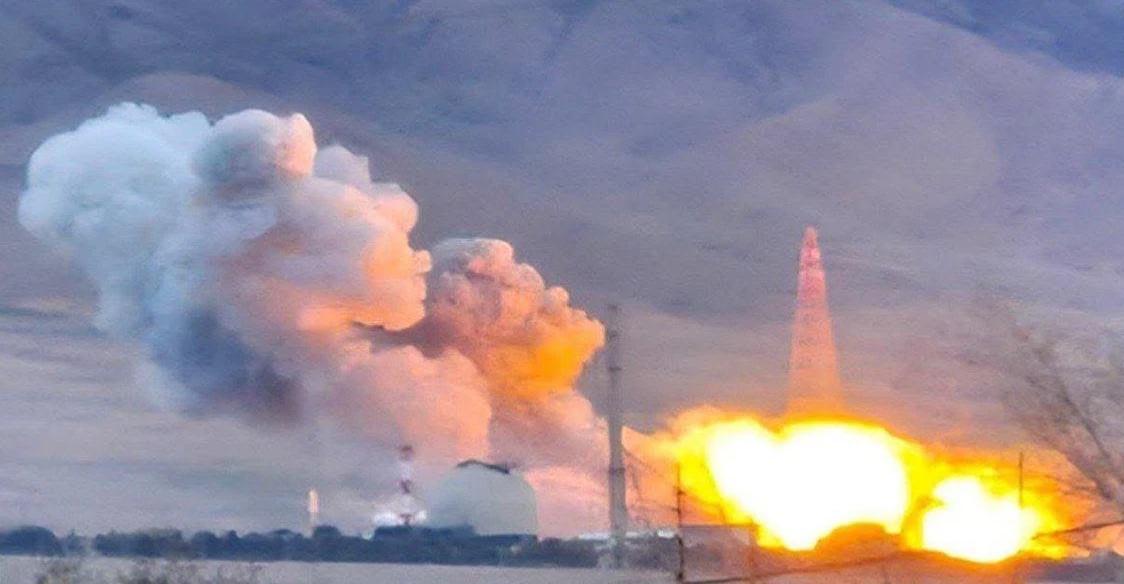
Israel Bombs Iran's Arak Heavy Water Reactor and Ardakan Yellowcake Plant
19 sources compared

Iran Allows 20 Pakistani-Flagged Ships Through Strait Of Hormuz
14 sources compared
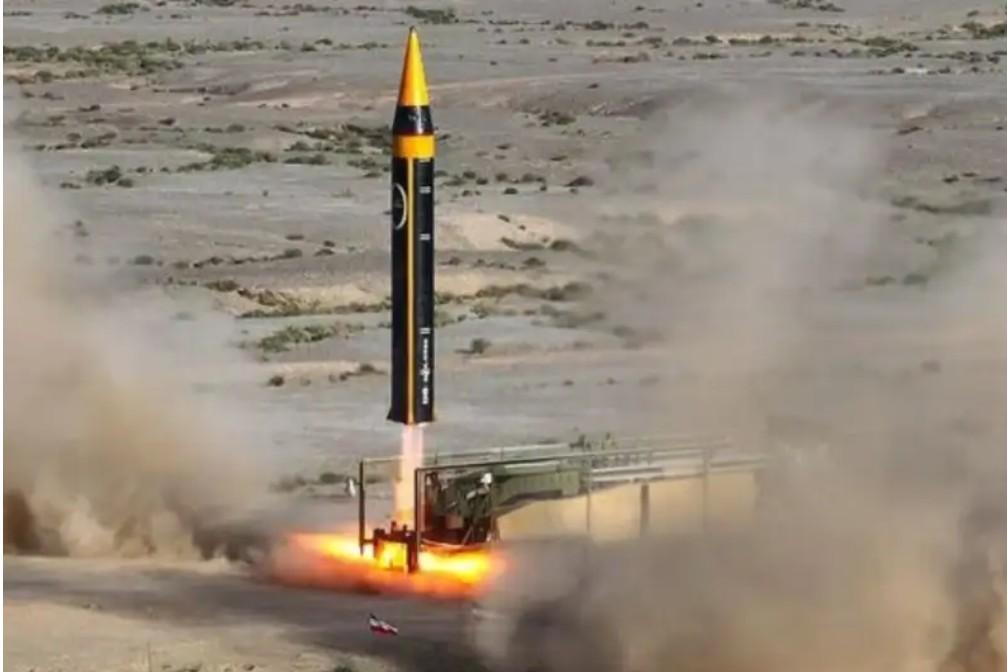
Houthis Formally Enter Iran-Israel War By Firing Missiles And Drones At Israel
16 sources compared
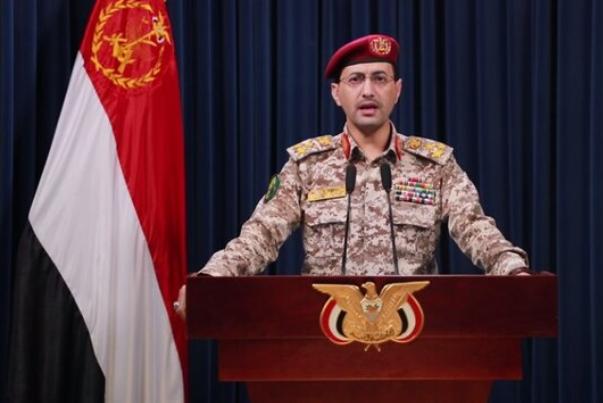
Houthis Launch First Missiles At Israel, Joining Iran War And Threatening Red Sea Routes
75 sources compared