Asia08 May, 20253 min read
India Hits Pakistan-Based Terror Camps With Missile Strikes as Pakistan Shoots Down Indian Jets
This article is an automated aggregation of coverage from news outlets. Our editorials offer in-depth analysis curated by the NewsCord team.
India launched missile strikes targeting nine terror camps in Pakistan and PoK. Pakistan shot down Indian jets in retaliation.

Military Escalation
India launched a major military operation called Operation Sindoor early Wednesday. The operation involved missile strikes against what India described as terrorist infrastructure in Pakistan and Pakistan-administered Kashmir. The Pakistani military responded by shooting down multiple Indian military aircraft.
“The Indian military launched multiple missile attacks targeting sites in Pakistan and Pakistan-administered Kashmir early on Wednesday in an attack it called Operation Sindoor. The Pakistani military claims to have retaliated, shooting down multiple Indian military planes.”
This represents a significant escalation in the long-standing conflict between the nuclear-armed neighbors. Pakistan reported casualties in six targeted cities while India maintained it only hit terrorist camps. The confrontation raises concerns about potential wider conflict in South Asia.

Attack Context
The missile strikes came as retaliation for a deadly terrorist attack in Pahalgam, Indian-controlled Kashmir, on April 22. The Pahalgam attack killed 26 mostly Indian civilians. India has consistently blamed the Pakistani government for the attack.
India claims it had credible evidence including technical inputs and survivor testimonies pointing to Pakistan-based terror groups. The Indian government stated it had expected Pakistan to take action against terrorists during the fortnight after the attack.
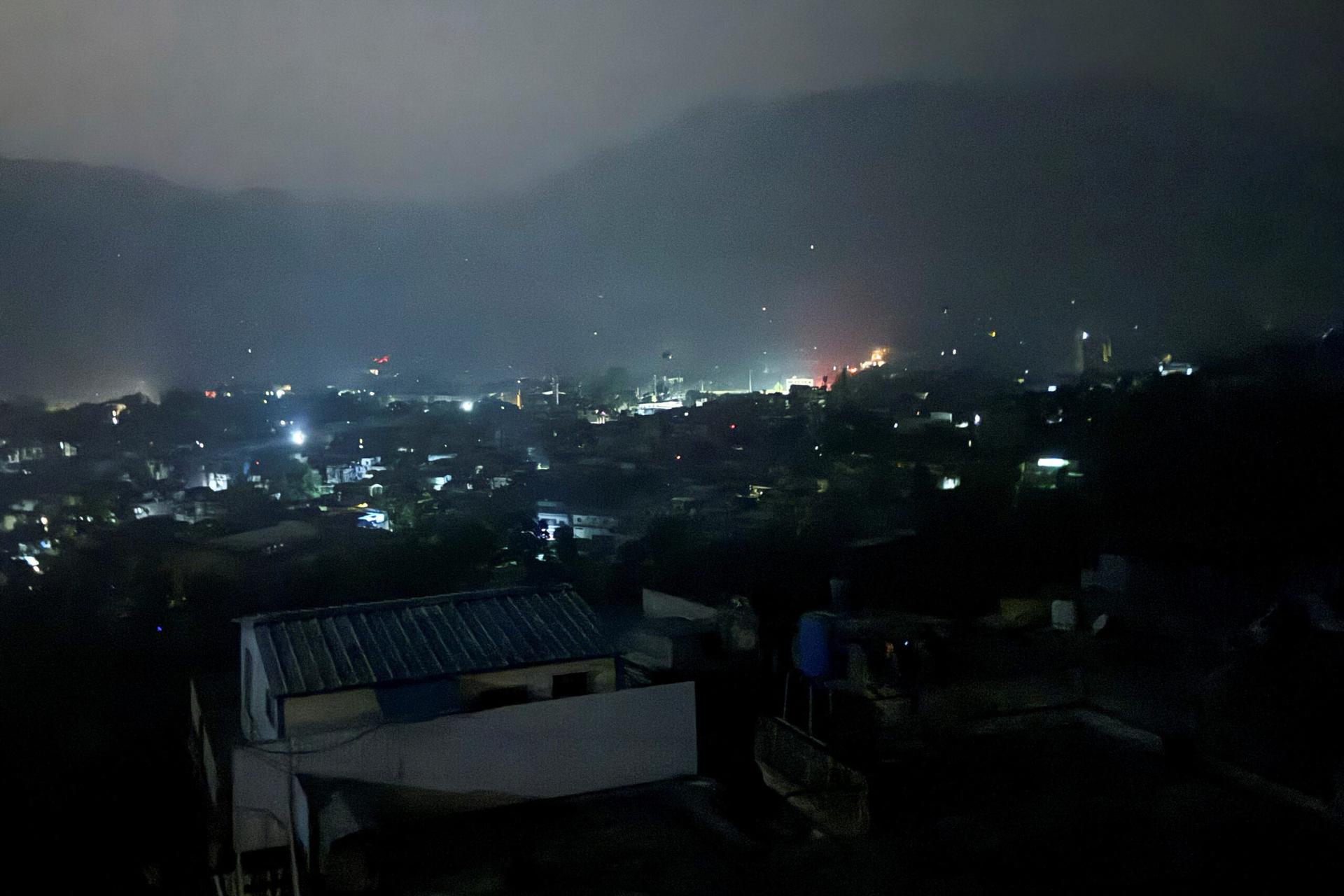
Instead, India accused Pakistan of 'denial and false flag operations.' This context forms the basis of India's justification for its military response.
International Response
The international community has responded with a mixture of support for India's position and calls for de-escalation. Former UK Prime Minister Rishi Sunak strongly condemned the Pahalgam terrorist attack and voiced support for India's response. Sunak stated 'India is justified in striking terrorist infrastructure.'
“'India is justified in striking terrorist', says SunakFormer UK Prime Minister Rishi Sunak strongly condemned the deadly terrorist attack in Pahalgam and voiced support for India's response, saying 'India is justified in striking terrorist infrastructure.'”
Israel's Ambassador to India, Reuven Azar, also expressed support for India's right to self-defense. UAE Foreign Minister Abdullah bin Zayed Al Nahyan called on both nations to 'exercise restraint, de-escalate tensions.'
US Secretary of State Marco Rubio indicated he was closely monitoring the situation. Rubio echoed President Trump's hope that the conflict would end quickly.
Strike Details
India has maintained that its strikes were highly targeted and precise. India claims it only hit known terrorist camps while avoiding civilian, economic, and military targets. According to Indian officials, the operation struck nine terror targets.
Four targets were in Pakistan (including Bahawalpur, Muridke, and Sialkot). Five targets were in Pakistan-occupied Jammu and Kashmir (PoJK). National Security Advisor Ajit Doval briefed the US that 'no Pakistani civilian, economic or military targets have been hit.'
The Ministry of External Affairs described India's actions as 'focused and precise' and 'non-escalatory.' The operation involved the Indian Army, Navy, and Air Force. Prime Minister Narendra Modi personally monitored the operation throughout the night.
Casualty Claims
Casualty reports and target assessments differ significantly between the two countries and international media. Pakistan reported that at least 31 Pakistanis have been killed in the six targeted cities. This information came from Lieutenant Ahmed Sharif Chaudhry, director general of Pakistan's ISPR media wing.
“At least 31 Pakistanis have been killed in the six targeted cities, according to Lieutenant Ahmed Sharif Chaudhry, the director general of the Inter-Services Public Relations (ISPR) media wing of Pakistan's military.”
However, China's Global Times reported a different headline: '26 civilians killed, 46 injured in Indian attack on Pakistani civilian settlements.' This suggests higher civilian casualties than Pakistan's own official count. India has consistently maintained that no civilians were targeted or harmed.
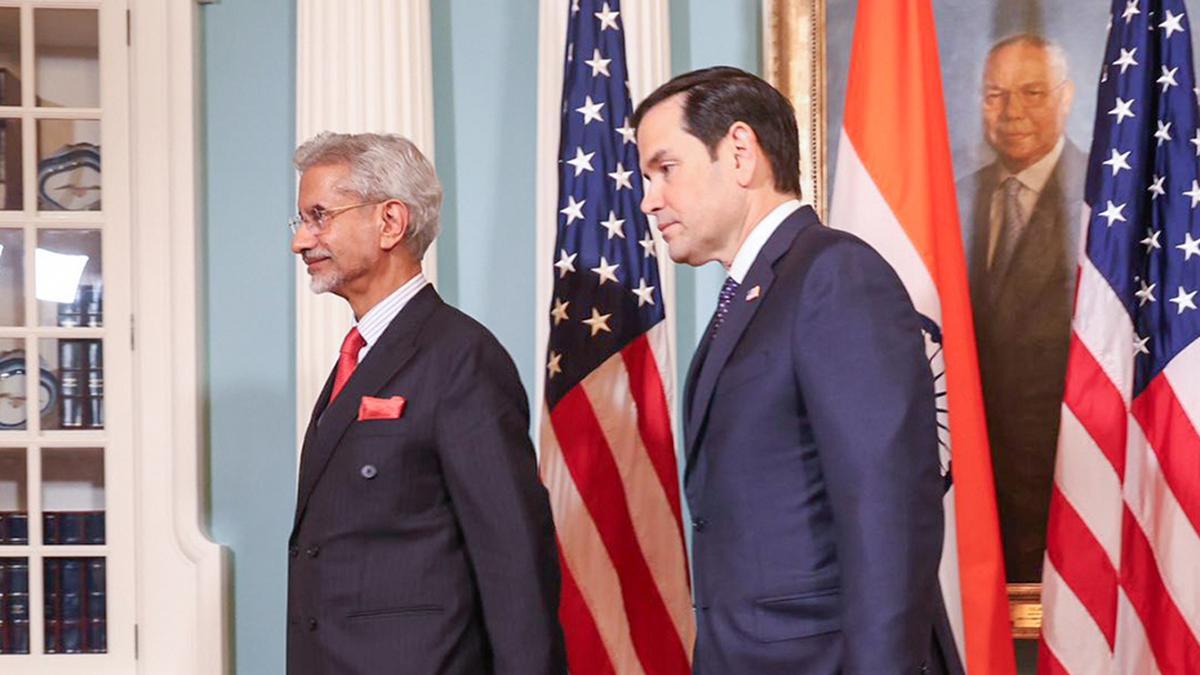
India claims only terrorist infrastructure was struck. These conflicting reports highlight verification challenges during military conflicts.
Regional Implications
The confrontation represents a dangerous escalation in the long-standing Kashmir dispute. It raises serious concerns about regional stability in South Asia. As nuclear-armed powers with a history of military conflict, any miscalculation could have devastating consequences.
The timing comes amid heightened geopolitical tensions. India briefed multiple international powers including the US, UK, Saudi Arabia, UAE, and Russia about its actions. The international community's mixed response reflects the complex nature of the conflict.
This includes support for India's counterterrorism measures and calls for restraint. As both nations continue to mobilize military assets, the risk of further escalation remains significant.