
India Rejects Nepal’s Lipulekh Objection, Says Kailash Yatra Route Used Since 1954
Key Takeaways
- India rejects Nepal’s objection, calls claims untenable, citing Lipulekh as a 1954 Kailash route.
- Nepal claims Lipulekh, Limpiyadhura, Kalapani as its territory, urges dialogue with India and China.
- Nepal objected to India–China border-trade reopening via Lipulekh Pass.
India rejects Nepal protest
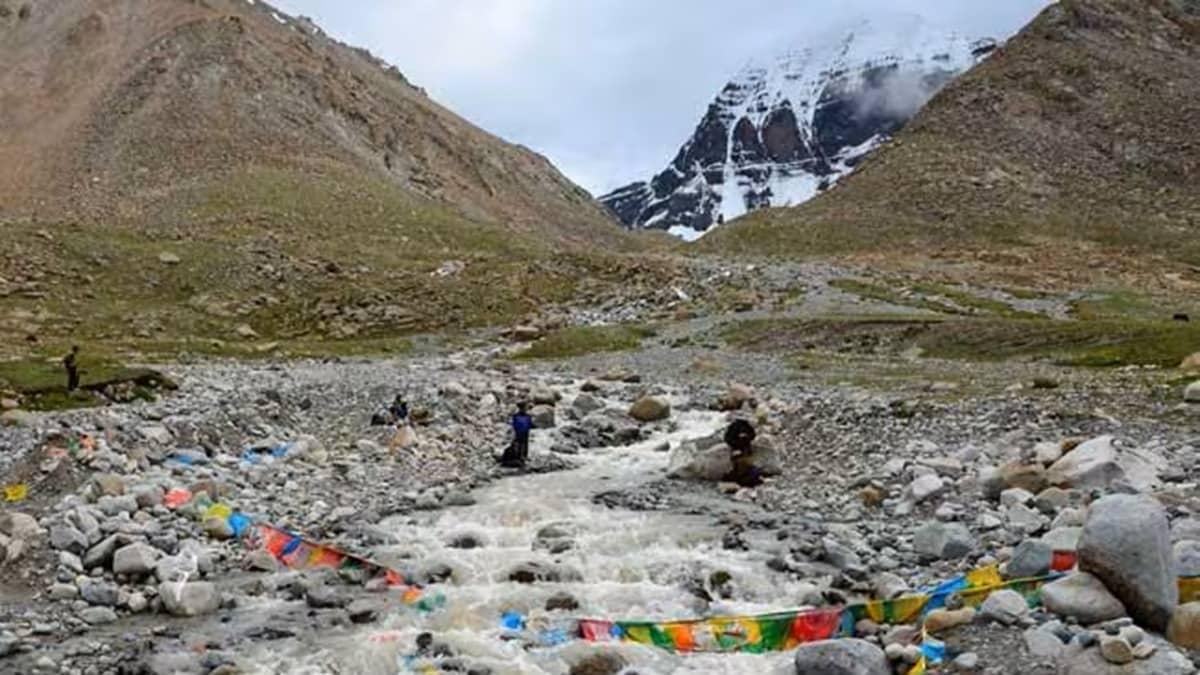
India rejected Nepal’s protest over the Kailash Mansarovar Yatra route through Lipulekh, saying Kathmandu’s territorial assertions lack a historical basis and that pilgrims have used the Lipulekh Pass for the yatra since 1954.
“Trending: West Asia war updates Iran-US deal India emergency alert MI IPL Playoffs Met Gala 2026 advertisement India rejects Nepal’s objection to Kailash Mansarovar Yatra via Lipulekh, calls claims ‘untenable’ FP News Desk _•_ May 4, 2026, 00:10:14 IST advertisement New Delhi calls Kathmandu’s territorial claims “untenable”, says Lipulekh Pass has been a long standing route for the Kailash Mansarovar Yatra since 1954”
The Ministry of External Affairs stressed that the route is “a long-established one rather than a new development,” and it said India’s stance is “clear and consistent” while Kathmandu’s position is “unilateral artificial enlargement of territorial claims” that is untenable.
Nepal lodged formal protests with both India and China, with Nepal’s foreign ministry saying that under the 1816 Sugauli Treaty “Limpiyadhura, Lipulekh and Kalapani are integral parts of Nepal.”
Nepal also urged India to halt road construction, expansion, border trade and pilgrimage-related activity in the region, while India left the door open for engagement through “dialogue and diplomacy.”
Quotes and diplomatic notes
MEA spokesperson Randhir Jaiswal said India’s position had been consistent and clear, adding that “Lipulekh Pass has been a long standing route for the Kailash Mansarovar Yatra since 1954.”
Jaiswal also said, “Such unilateral artificial enlargement of territorial claims is untenable,” while the MEA spokesperson said India remains open to a “constructive interaction” with Nepal on resolving boundary issues through “dialogue and diplomacy.”
Nepal’s Government said it was “clear that the official map of Nepal, as incorporated in the Constitution of Nepal, includes Limpiyadhura, Lipulekh, and Kalapani — located east of the Mahakali River — as integral parts of Nepal.”
In Nepal’s view, it had “also apprised our friendly neighbour, China, that this area is part of Nepali territory,” and it said it had consistently urged India not to carry out road construction/expansion or border trade in the area.
Yatra plans and political pressure
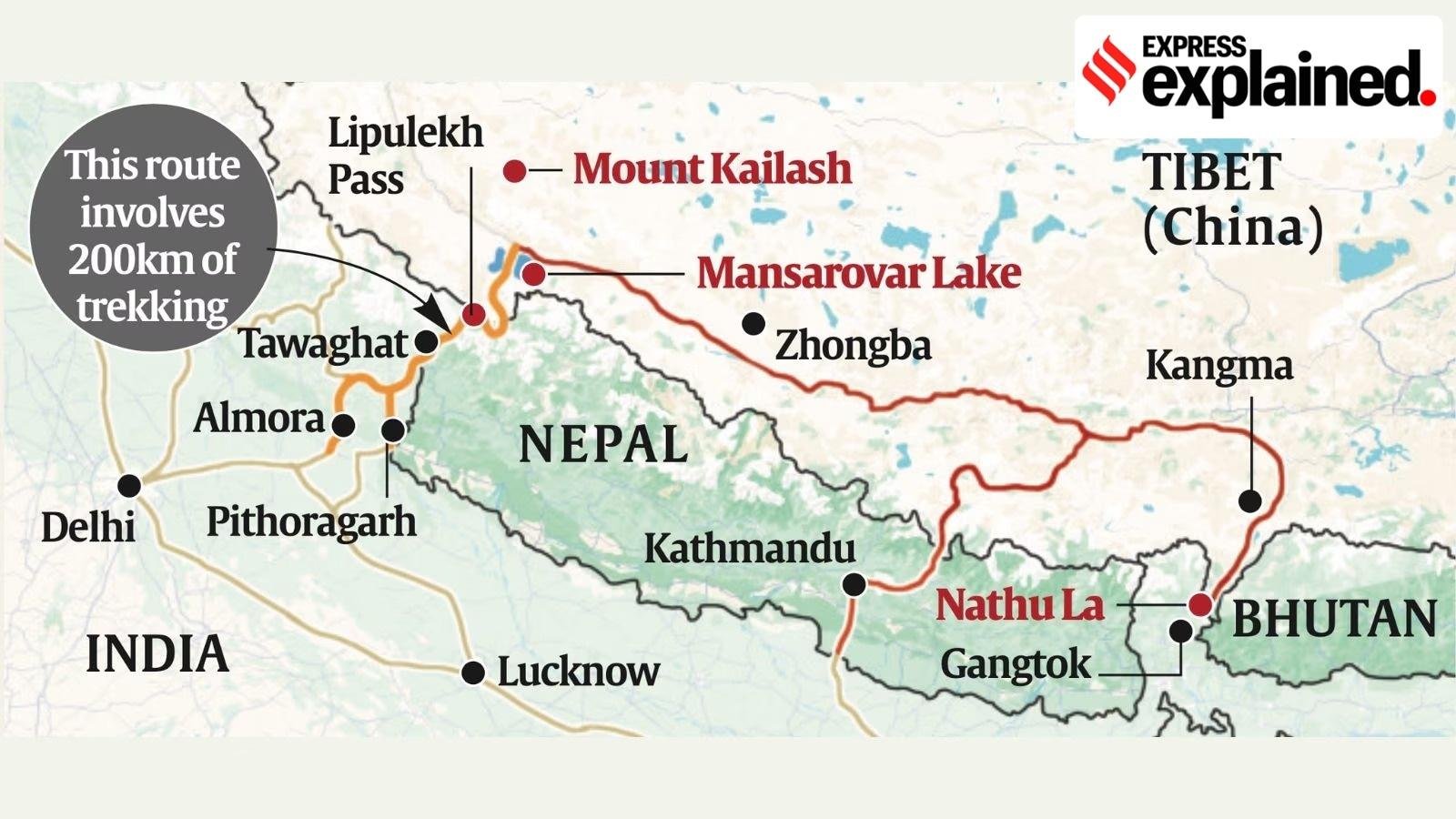
India’s Ministry of External Affairs announced that this year’s Kailash Mansarovar Yatra would take place between June and August via two routes—Lipulekh Pass in Uttarakhand and Nathu La in Sikkim—after Nepal criticised India and China for proceeding without consulting Kathmandu.
“Nepal objected earlier this week to India and China announcing the reopening of border trade through the Lipulekh Pass, citing its claims over the region”
The Indian Express reported that Nepal objected earlier this week to India and China reopening border trade through the Lipulekh Pass, and it cited Nepal’s statement that it had urged India not to carry out activities such as road construction/expansion or border trade in the area.
In Nepal, opposition MPs pressed the Balendra Shah government “to move beyond diplomatic notes” and open high-level talks with India and China to “reclaim” Lipulekh, Limpiyadhura and Kalapani, with Nepali Congress MP Sandip Rana saying, “Lipulekh is our land, and it is being used for the Kailash Mansarovar journey.”
The Times of India also quoted CPN (UML) MP Bhumika Limbu Subba calling India’s response on Lipulekh “irresponsible,” as the dispute over Lipulekh, Limpiyadhura and Kalapani remained tied to trade and pilgrimage activity without Nepal’s consent.
More on India
B-52 Crash Kills All Eight Aboard on Routine Test Mission at Edwards Air Force Base
44 sources compared

India’s Fertility Rate Falls Below Replacement Level, Dropping to About 1.9 Children Per Woman
10 sources compared

U.S. Marine Corps F/A-18 Hornet Crashes Near Rimrock Lake, Sparks Wildfire
13 sources compared

Two Helicopters Collide Over Rio de Janeiro, Killing Oliver Tree And Six
12 sources compared