Iran and Oman Coordinate 60-Day Strait of Hormuz Maritime Traffic After US Memorandum
Key Takeaways
- Iran and Oman coordinate Hormuz traffic administration and maritime services through talks.
- Oman denies transit tolls; US opposes tolls in Hormuz plans.
- Qatar's prime minister visits Oman to help broker Hormuz talks.
Hormuz fees and talks
Iran and Oman moved to coordinate maritime traffic in the Strait of Hormuz after a memorandum of understanding between Iran and the US, with Iranian Foreign Minister Abbas Araqchi and Omani counterpart Sayyid Badr Albusaidi discussing “the proposed temporary arrangements for a 60-day period.”
“Iranian FM says had call with Omani FM, will conduct dialogue to define administration and maritime services in Hormuz: media [](https://subscribe”
In the same period, DW reported that US top diplomat Marco Rubio said Washington “won't accept tolls or fees in the Strait of Hormuz,” while Iran and Oman explored costs to administer the waterway.

Tasnim said the two ministers reviewed “maritime traffic in the Strait of Hormuz and the proposed temporary arrangements for a 60-day period,” and stressed continued coordination through diplomatic channels and technical and expert-level engagement.
The Jerusalem Post’s live updates also placed the Strait of Hormuz at the center of regional diplomacy, noting that “Iran rejects claim unfrozen funds to be spent in US” alongside cargo-ship reporting of an attack in the strait.
In parallel, the Globe Post said the 14-point MOU required Iran and Oman “to define the future administration and maritime services” in the key waterway with other Gulf states.
Oman routes and coordination
Oman said it would keep the Strait of Hormuz open to navigation “without charging any transit fees,” and it designated “two temporary routes—north and south” to facilitate safe passage for ships leaving the region.
Euronews reported that Oman, in coordination with the International Maritime Organization, launched temporary navigational arrangements and said the current traffic separation scheme “is not safe to use,” urging ships to use temporary alternative routes while complying with coastal authorities’ instructions.

Al-Monitor described a phone call where Araqchi and Badr al-Busaidi stressed “the need for continued bilateral coordination on maritime traffic in the Strait of Hormuz,” and discussed temporary measures set for a 60-day period.
The Globe Post said the Strait of Hormuz had been closed by Iran after it came under fire from the United States and Israel at the end of February, but Iran lifted its blockade as part of an accord signed with the US last week that extended an ongoing ceasefire by 60 days.
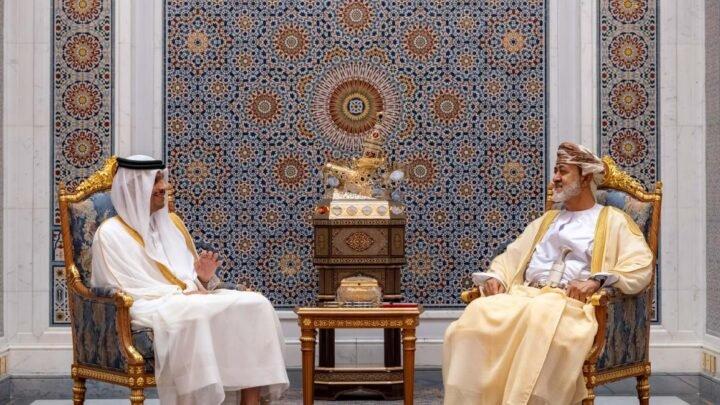
Marine Insight added that Qatar’s Prime Minister Sheikh Mohammed bin Abdulrahman al-Thani arrived in Oman to broker talks involving Iraq, Iran and other Gulf neighbours, with discussions focused on the future of Hormuz and its management.
US-Iran talks and next steps
France 24 said US Secretary of State Marco Rubio believed technical talks between the United States and Iran would resume on June 29 or 30 in Switzerland.
“Diplomatic Talks Define Future of Hormuz Strait Iran and Oman plan discussions to shape the future administration and maritime services in the Strait of Hormuz”
DW reported that the US Senate voted in favor of a war powers resolution in a 50-48 vote to block US President Donald Trump’s ability to conduct military action against Iran, while also noting a ceasefire between the US and Iran following the signature of the Memorandum of Understanding.
The Jerusalem Post’s live updates tied the diplomacy to regional visits, saying Rubio was in the UAE and then Kuwait, and that the visits to Kuwait, Bahrain, and the UAE were important as those countries were attacked by Iran during the latest conflict.
In the Globe Post’s account, the Strait of Hormuz talks were separate from US-Iran negotiations, with Gulf countries expected to press for freedom of navigation and no imposition of fees for transit while Iran was expected to ask for an environmental and security service fee.
Tasnim said Araqchi and Albusaidi expressed satisfaction with outcomes of the Iranian delegation’s visit to Muscat and underlined the need to continue consultations and follow-up through diplomatic channels and sustained cooperation between Tehran and Muscat.
More on Iran
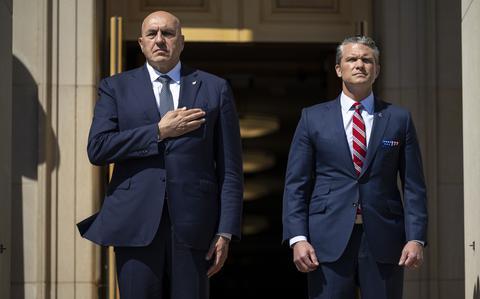
Iran Accuses NATO Of Complicity After Mark Rutte Says US Planes Took Off From Italy
10 sources compared
Iran Slams NATO Chief Mark Rutte Over Claims U.S. Aircraft Flew From Italy Bases
11 sources compared

UN IMO Pauses Evacuation After Unknown Projectile Strikes Ever Lovely Near Oman
42 sources compared
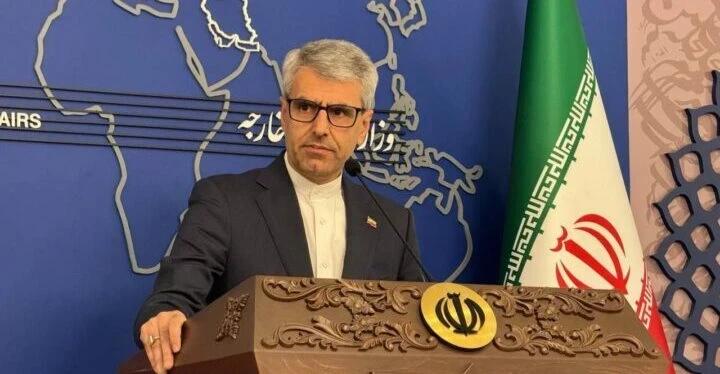
Iran Rejects IAEA Access to Damaged Nuclear Facilities, Deputy FM Kazem Gharibabadi Says
13 sources compared