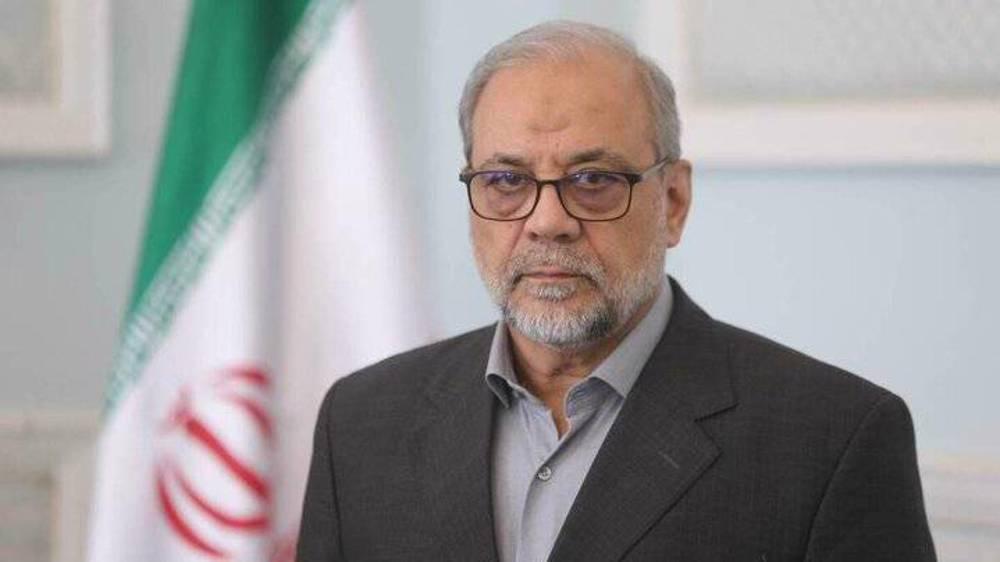
Iran Appoints Mohammad Baqer Zolqadr Secretary of Supreme National Security Council After Ali Larijani's Death
Key Takeaways
- Mohammad Baqer Zolqadr appointed to lead Iran's SNSC after Larijani's death.
- Larijani died in an Israeli attack last week, triggering the appointment.
- Mehdi Tabatabai announced the move on X as deputy for communications.
Appointment Announcement
Iran has officially appointed Mohammad Baqer Zolqadr as the new Secretary of the Supreme National Security Council (SNSC).
He replaces Ali Larijani who was assassinated in an Israeli-American airstrike on March 17, 2026.
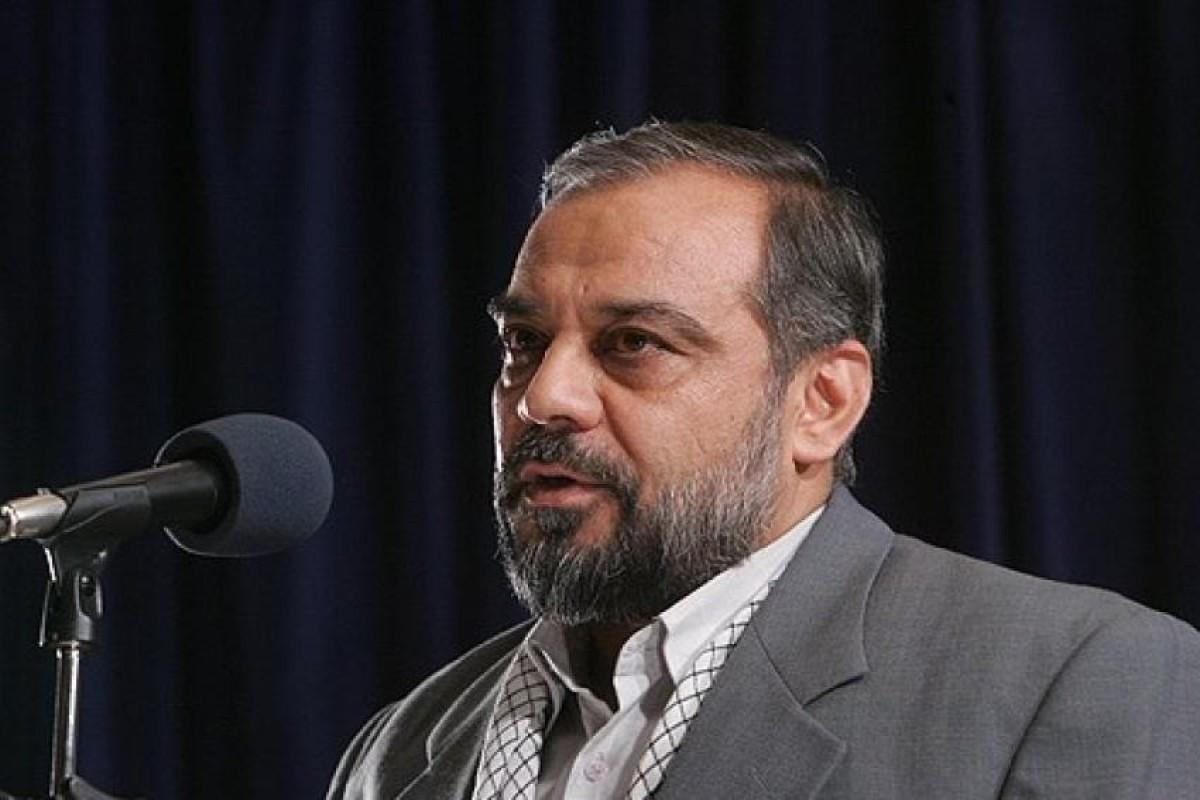
The appointment was announced through a presidential decree and with approval from Ayatollah Seyyed Mojtaba Khamenei.
Seyyed Mehdi Tabatabai confirmed the news via a post on X (formerly Twitter).
This represents a significant personnel change in Iran's top security decision-making body.
Zolqadr's Background
Mohammad Baqer Zolqadr brings extensive experience from Iran's military, security, and judicial institutions to the SNSC position.
A veteran commander of the Islamic Revolution Guards Corps (IRGC), he has served in numerous senior roles.

He served as deputy chief of the General Staff of the Armed Forces for Basij affairs.
He was head of the IRGC Joint Staff during President Rafsanjani's tenure.
He also served as deputy commander-in-chief of the IRGC.
His background includes nearly a decade of service in Iran's judiciary system.
Zolqadr studied at Tehran University, earning a bachelor's degree in economics and a master's in public administration.
Assassination Context
The appointment comes amid a critical security situation following the assassination of Ali Larijani.
“Iran has appointed veteran military commander and strategist Mohammad Baqer Zolqadr as the new Secretary of the Supreme National Security Council (SNSC), a key body responsible for shaping the country’s security and foreign policy”
Larijani had held the SNSC position since August 2025.
He was killed along with his son and senior aides in an Israeli-American strike on Tehran.
Iranian sources describe this as a 'terrorist strike' according to PressTV.
This represents a significant escalation in the Iran-Israel/US conflict.
The conflict is now entering its fifth week according to PressTV.
The timing underscores urgency in Iran's security decision-making processes.
Iran faces ongoing regional conflict while maintaining strategic red lines on nuclear policy and foreign threats.
Strategic Significance
The Supreme National Security Council (SNSC) is Iran's most powerful body on war strategy, nuclear policy, and foreign threats.
The council reports directly to the Supreme Leader (currently in transition after Khamenei's death).
It plays a crucial role in setting Iran's strategic red lines on national security issues.
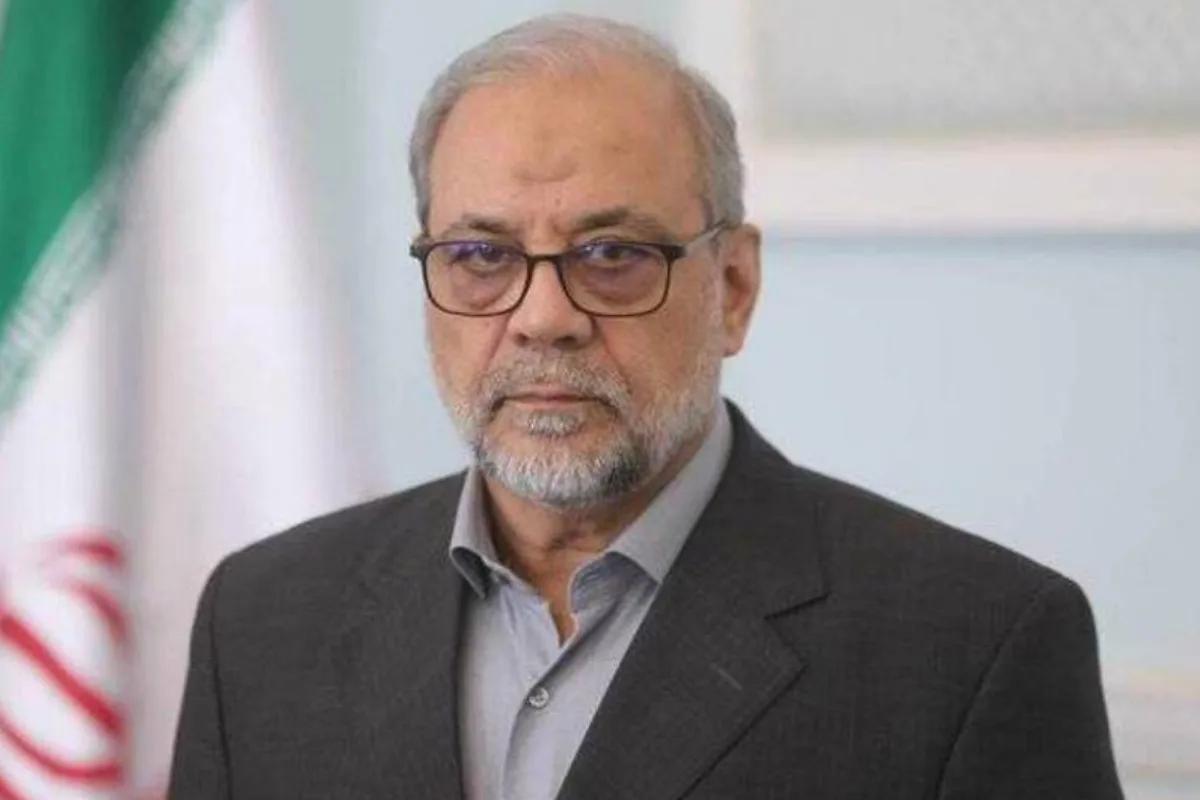
Zolqadr is described as a 'hardline political figure' with deep military credentials.
He is expected to maintain a firm stance on Iran's security policies.
His appointment comes during intense regional tensions.
Iran faces pressure from multiple fronts in the current security environment.
SNSC decisions will be critical in determining Iran's response to ongoing hostilities.
The council will also influence Iran's approach to nuclear negotiations and regional security.
Regional Implications
The regional implications of Zolqadr's appointment extend beyond Iran's borders.
“Güneşli Tuesday, March 24, 2026 Iran has appointed Mohammad Baqer Zolqadr as the new secretary of the Supreme National Security Council, replacing Ali Larijani, who was martyred in what Iranian authorities described as an Israeli attack last week”
The SNSC coordinates Iran's security policy across the Middle East.

Ongoing conflicts involving Iranian proxies and direct military engagements are ongoing.
The timing of this leadership change could signal strategic shifts in Iran's regional approach.
Zolqadr's military background and experience with internal and external security challenges position him well.
His appointment comes as Iran responds to what it describes as 'the war imposed on Iran'.
This suggests Tehran may be preparing for extended heightened security tensions.
Potential military confrontations in the region remain a significant possibility.
More on Iran

Israel kills IRGC Navy commander Alireza Tangsiri in air strike
16 sources compared

Pentagon orders 1,000 82nd Airborne troops to West Asia amid Kharg Island seizure talks
13 sources compared

U.S. Prepares to Deploy 1,000 82nd Airborne to West Asia to Seize Airfields
17 sources compared

Pentagon deploys 3,000 82nd Airborne troops to West Asia to backstop Iran war operations
14 sources compared