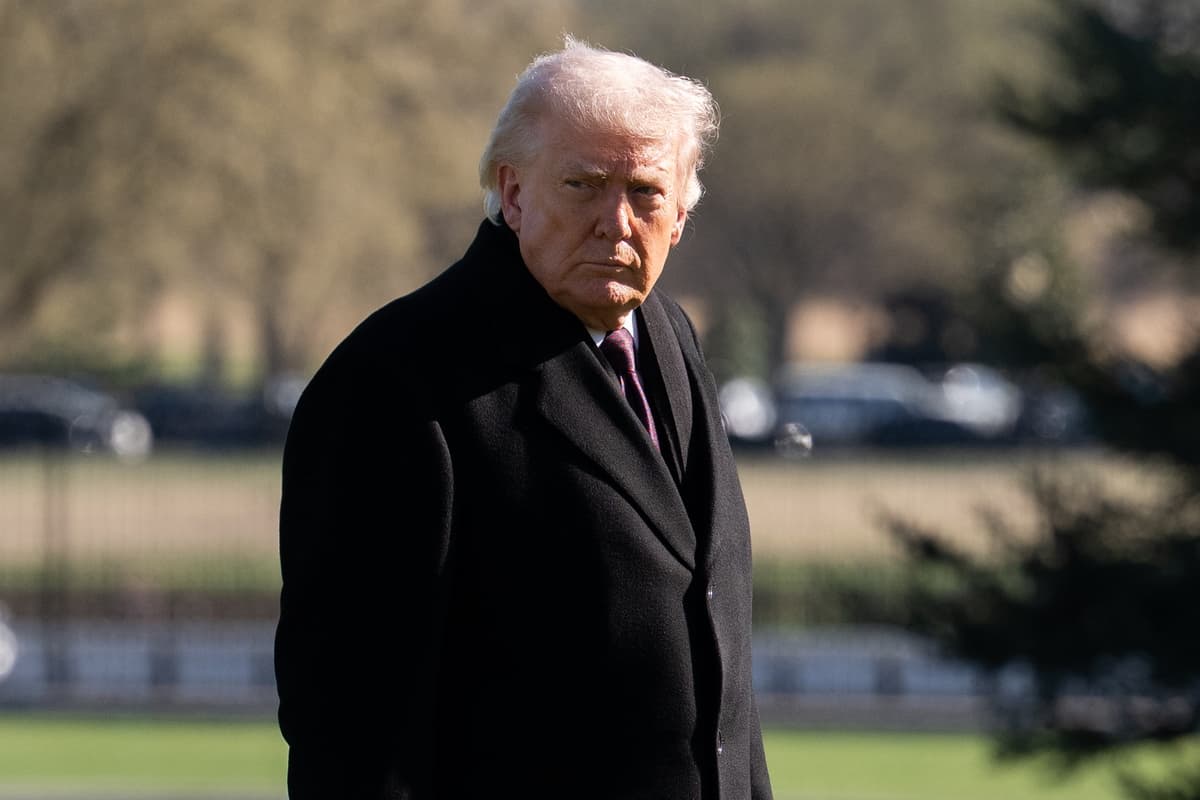
Iran Attacks Gulf Energy Facilities After Intelligence Chief's Assassination
Key Takeaways
- Iran strikes Ras Laffan LNG hub in Qatar, causing extensive damage and fires.
- Attacks followed the assassination of Iran's intelligence chief Esmail Khatib, prompting retaliation.
- Macron urged moratorium on energy infrastructure strikes; Trump threatened to blow up South Pars.
Attack Trigger
Iran launched coordinated missile strikes on oil and gas infrastructure across the Gulf on Wednesday, retaliating after the assassination of its intelligence chief Esmail Khatib.
The escalation followed killings that Iran's new supreme leader Mojtaba Khamenei vowed to avenge.

Tehran signalled it would widen its campaign if attacks on its own energy facilities continued.
The attacks came amid heightened tensions after Israel targeted Iran's South Pars gas field, the world's largest natural gas reserve.
Iran blamed the attacks on 'the American-Zionist enemy'.
Target Infrastructure
Qatar's Ras Laffan Industrial City suffered 'extensive damage' after Iranian missile strikes, with fires breaking out at the world's largest LNG facility.
Saudi Arabia reported intercepting drones and ballistic missiles targeting energy infrastructure in the Eastern Province.

Debris from an intercepted missile landed near a refinery south of Riyadh.
Kuwaiti authorities reported attacks on two oil refineries - Mina Abdullah and Mina Al-Ahmadi.
The UAE's Habshan gas facility and Bab field were also targeted after falling debris from intercepted missiles caused damage.
Market Impact
Oil prices surged dramatically, with Brent crude rising over 5% to $108-$110 per barrel.
“- Mass displacement: Israel’s military assault on Lebanon has forcibly displaced more than a million Lebanese people in less than three weeks”
The attacks came amid the near-total closure of the Strait of Hormuz, through which 20% of global oil and gas trade passes.
Over 20 vessels in the region have come under attack during the Iran war.
Energy experts warned the attacks could trigger broader economic consequences including higher fuel costs and supply chain disruptions.
Natural gas markets reacted sharply to fears of prolonged supply disruption.
Diplomatic Response
Qatar expelled two Iranian diplomatic attaches in response to the attacks on its energy facilities.
Saudi Arabia's Foreign Minister reserved the right to take military action against Iran.

UAE Foreign Ministry called the attacks 'a dangerous escalation' and threatened to take necessary measures.
French President Macron called for a moratorium on strikes targeting civilian infrastructure.
Multiple Gulf states issued coordinated condemnations of Iranian actions.
Escalation Warning
Iran's Supreme Leader Mojtaba Khamenei vowed revenge in a written message for the assassinations.
The targeting of energy infrastructure marks a shift from military to economic warfare.

Iran's Islamic Revolutionary Guard Corps warned it would 'severely strike' energy infrastructure across the region.
Iranian President Masoud Pezeshkian warned of 'uncontrollable consequences' with global implications.
Analysts warned the situation could push the region toward the 'abyss' and draw in additional countries.
More on Iran
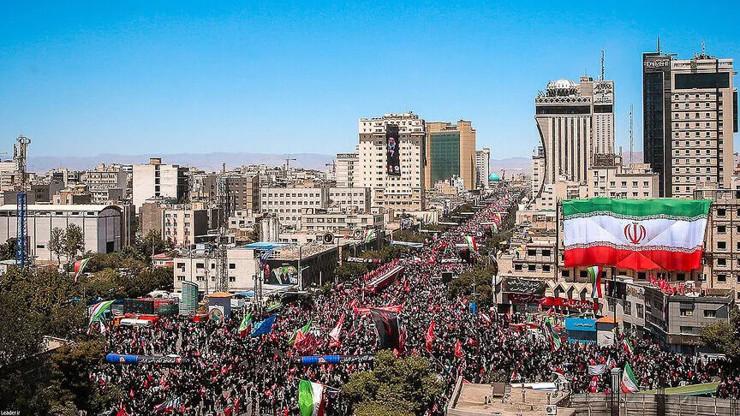
Israeli Strike Kills Ayatollah Ali Khamenei, Buried at Imam Reza Shrine in Mashhad
19 sources compared
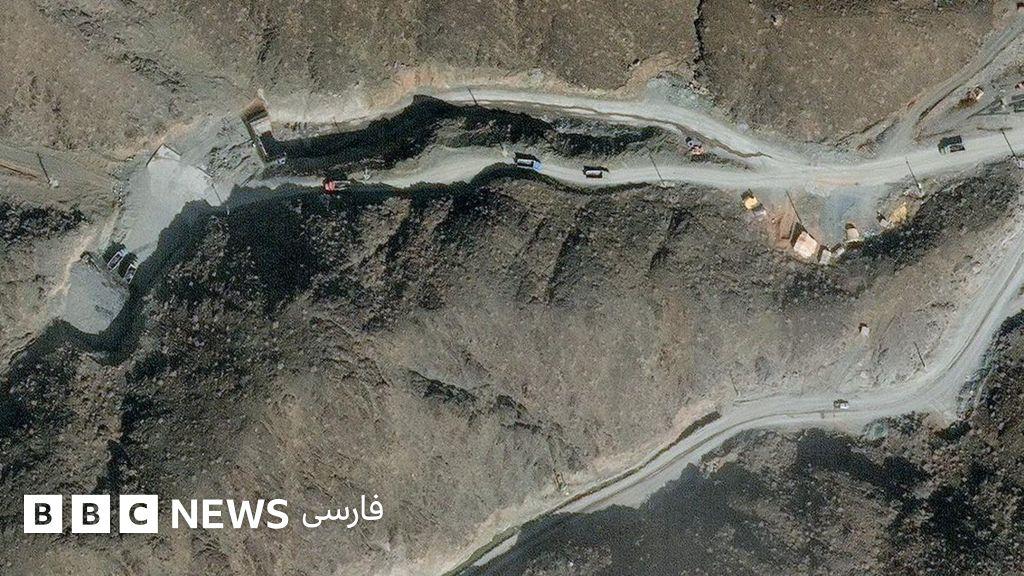
Iran Attempts To Restore Nuclear Sites Damaged In US And Israel Strikes, CNN Satellite Images Show
15 sources compared
Abbas Araghchi and Prince Faisal Bin Farhan Discuss Regional Developments After US Attacks
11 sources compared

Trump Says U.S. Agreed to Continue Iran Talks, Ceasefire Is Over
19 sources compared