Iran Attacks Gulf Energy Facilities in Retaliation for Israel's Gas Field Strike
Key Takeaways
- Iran launched missiles targeting Ras Laffan LNG hub in Qatar, causing extensive damage and fires.
- Tehran pledged retaliation after Israel's Pars field strike; Iran hit refineries across Saudi, UAE, Kuwait.
- Global oil and gas prices spiked amid Gulf energy facility damage and disruption.
Gas Field Attack Triggers Retaliation
Iran intensified attacks on Gulf energy infrastructure Wednesday after Israel targeted the South Pars gas field, the world's largest natural gas reserve shared with Qatar.
The Israeli strike came amid a broader campaign that has killed multiple senior Iranian officials, including intelligence chief Esmail Khatib and security chief Ali Larijani.

Tehran vowed to retaliate forcefully, with the Revolutionary Guards warning that further attacks on Iran's energy infrastructure would be met with 'complete destruction' of enemy energy facilities and their allies.
Israel has maintained a strategy of targeting Iranian leadership and institutions since the war began nearly three weeks ago, with the gas field attack representing a new front in the conflict.
Gulf Energy Sites Targeted
Iran launched widespread retaliatory strikes targeting critical energy infrastructure across multiple Gulf states, with Qatar's Ras Laffan Industrial City suffering the most significant damage.
The world's largest liquefied natural gas (LNG) export hub was hit by Iranian missiles, causing extensive fires and damage that QatarEnergy described as 'extensive damage' to its main gas facility.

Saudi Arabia reported intercepting multiple ballistic missiles targeting Riyadh and eastern regions, while the United Arab Emirates shut down the Habshan gas facility and Bab field due to falling debris from intercepted attacks.
Kuwait's oil refineries were also targeted as Iran expanded its retaliation beyond Qatar to include multiple US-allied Gulf states in response to the initial Israeli strike.
Global Energy Markets React
The attacks triggered immediate and severe consequences for global energy markets, with oil prices surging dramatically and international security concerns intensifying.
“The attacks amid the United States-Israel war on Iran, launched by the two countries on February 28, followed Israel’s killing of Iranian Intelligence Minister Esmail Khatib and its strike on the South Pars LNG facility on Wednesday”
Brent crude oil prices jumped more than 5% to above $108 per barrel on international markets, with some reports indicating prices reached as high as $116 amid fears of prolonged supply disruption.
European natural gas prices also climbed sharply, reflecting market anxiety over the stability of energy flows from the world's most important energy-producing region.
The South Pars/North Dome field, jointly shared by Iran and Qatar, accounts for approximately 70 percent of Iran's domestic gas production and represents a critical component of global energy supplies, making the attacks particularly threatening to international market stability.
International Condemnation
International leaders and governments responded swiftly to the escalating conflict, with multiple countries condemning the attacks and attempting to mediate the crisis.
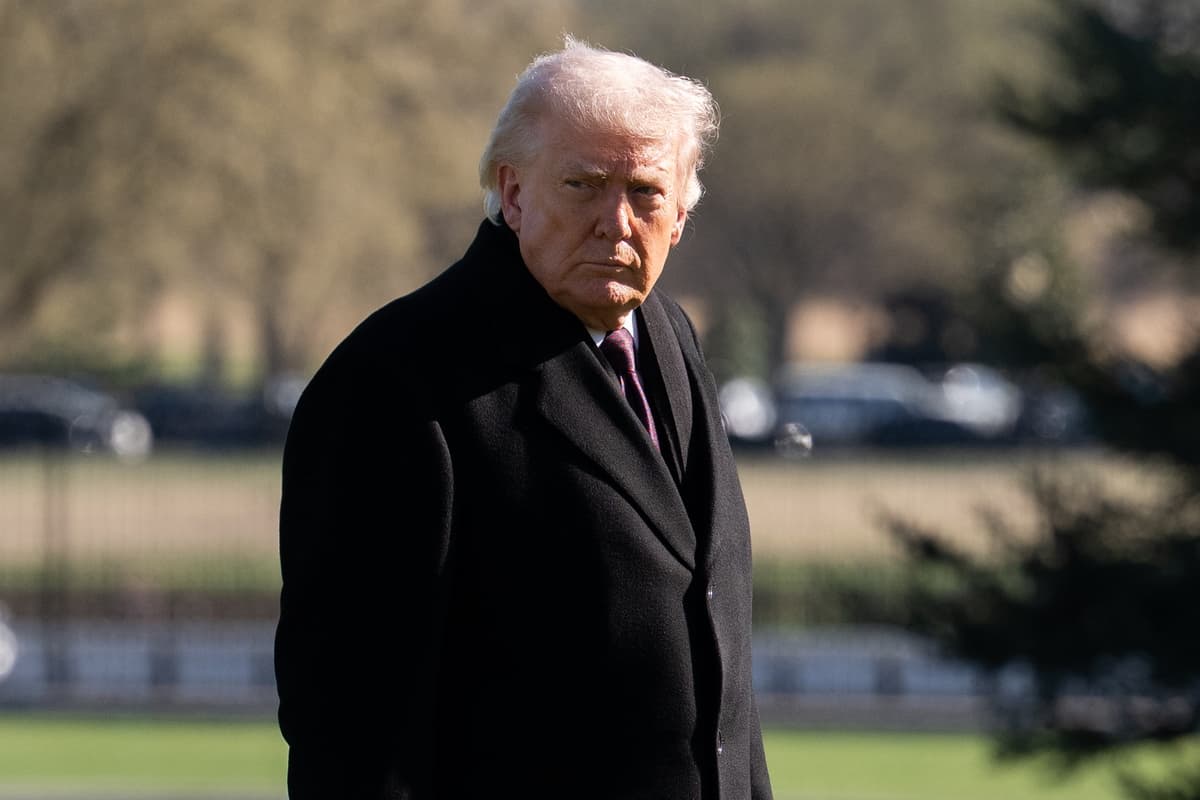
US President Donald Trump issued a stark warning on social media, threatening to 'massively blow up the entirety of the South Pars Gas Field' if Iran attacks Qatar's energy infrastructure again, while simultaneously claiming the US 'knew nothing' about Israel's initial strike.

French President Emmanuel Macron called for a 'moratorium on strikes targeting civilian infrastructure' after speaking with both Trump and the Emir of Qatar.
A joint statement from foreign ministers of 12 Arab and Islamic states condemned Iran's attacks as 'deliberate Iranian attacks using ballistic missiles and drones' that targeted 'residential areas and civilian infrastructure,' while also criticizing Israeli strikes on Lebanon.
The diplomatic fallout included Qatar expelling Iranian military and security attaches, representing a significant deterioration in relations between the two neighboring countries.
Broader Regional Conflict
The conflict continues to escalate with broader regional implications beyond the immediate energy infrastructure attacks.
Israel has maintained its strategy of targeting Iranian leadership, with recent strikes killing multiple senior officials including intelligence minister Esmail Khatib.

Meanwhile, Iranian officials have warned that the attacks represent only the beginning of a broader retaliation campaign, with the Islamic Revolutionary Guard Corps explicitly naming additional energy facilities across Saudi Arabia, the UAE, and Qatar as potential future targets.
The conflict has already displaced more than 1 million people in Lebanon while causing significant casualties across multiple countries, including at least 1,300 deaths in Iran, 968 in Lebanon, and 14 in Israel according to official figures.
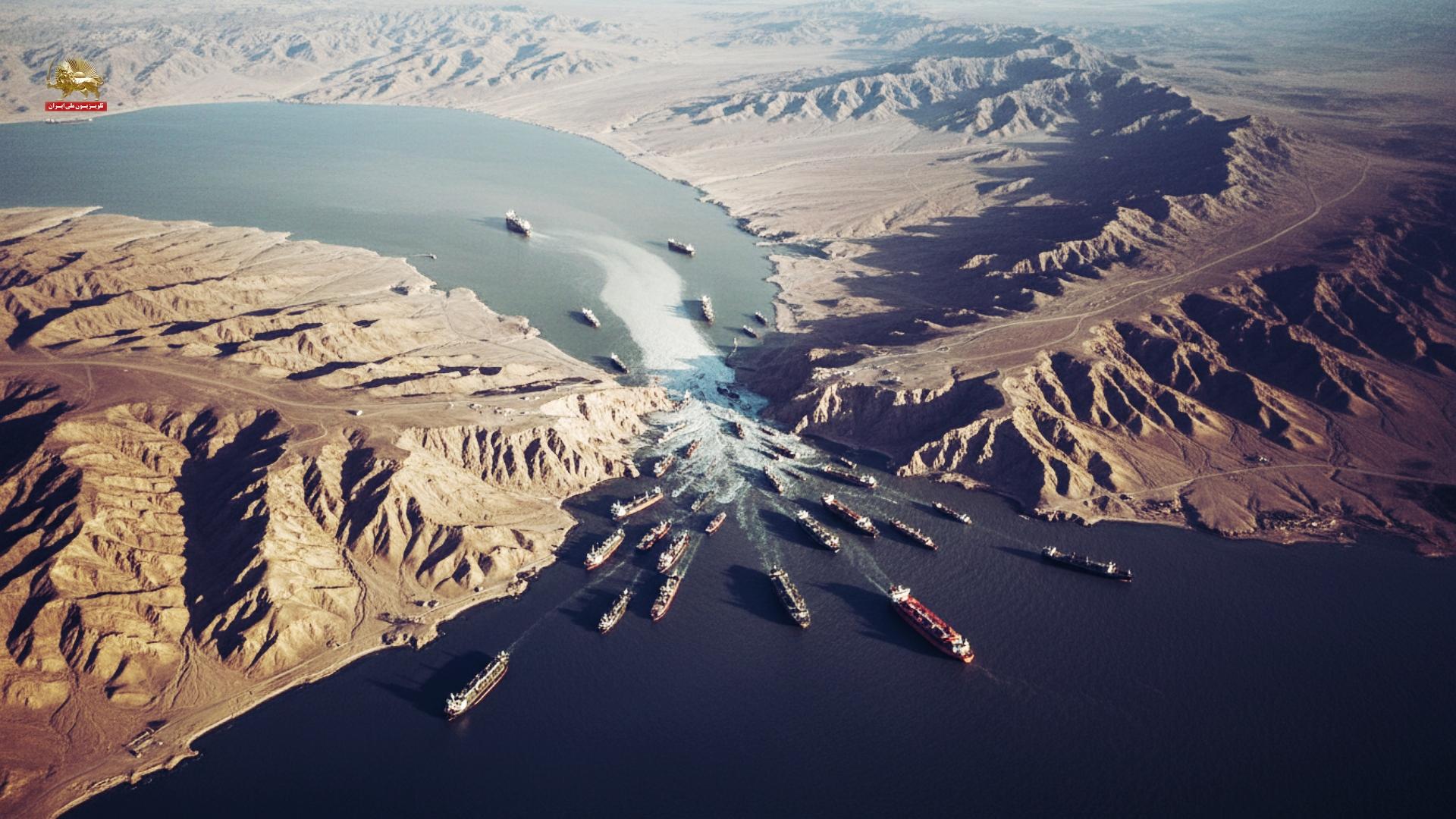
The ongoing violence has severely disrupted shipping through the Strait of Hormuz, with daily oil exports from the region falling by at least 60% from prewar levels, creating additional economic and security challenges for the international community.
More on Iran
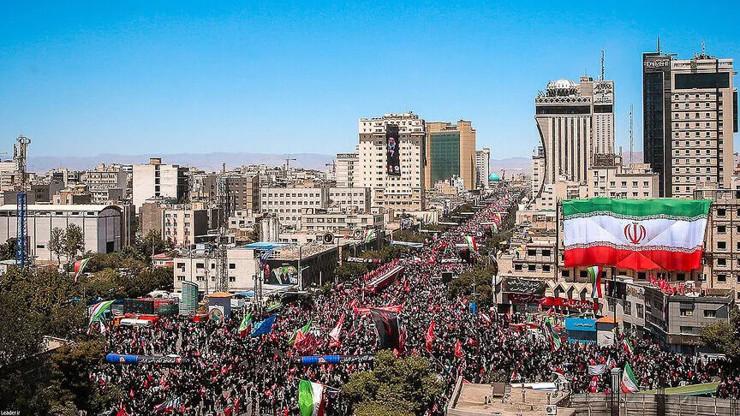
Israeli Strike Kills Ayatollah Ali Khamenei, Buried at Imam Reza Shrine in Mashhad
19 sources compared
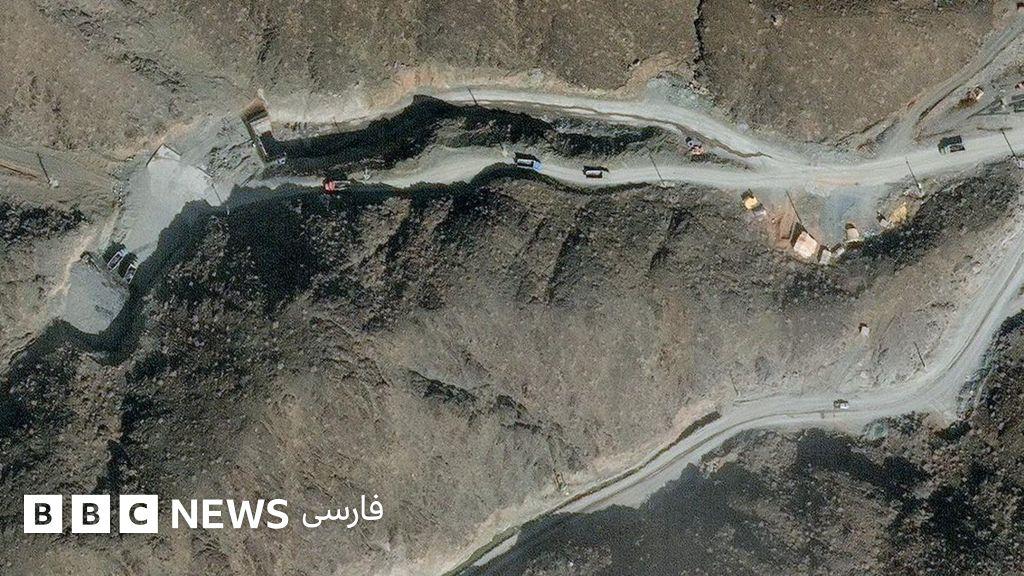
Iran Attempts To Restore Nuclear Sites Damaged In US And Israel Strikes, CNN Satellite Images Show
15 sources compared
Abbas Araghchi and Prince Faisal Bin Farhan Discuss Regional Developments After US Attacks
11 sources compared

Trump Says U.S. Agreed to Continue Iran Talks, Ceasefire Is Over
19 sources compared